

We are a digital agency helping businesses develop immersive, engaging, and user-focused web, app, and software solutions.
2310 Mira Vista Ave
Montrose, CA 91020

2500+ reviews based on client feedback
What's Included?
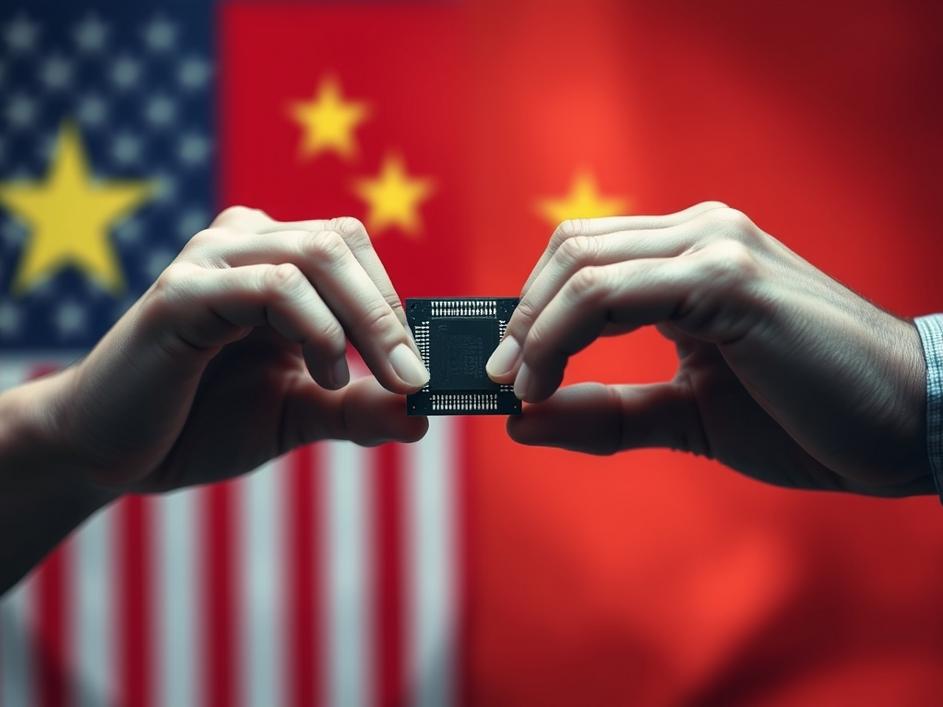
ToggleIt sounds like something straight out of a spy movie: a clandestine operation to smuggle advanced technology right under the noses of authorities. But this isn’t fiction. The Justice Department recently unsealed charges against four individuals accused of illegally exporting high-end Nvidia chips, specifically those designed for artificial intelligence applications, to China. Two of the accused are Chinese nationals, and the other two are Americans. The implications of this case are significant, highlighting the intense competition for AI dominance and the lengths some will go to acquire cutting-edge technology.
These aren’t your everyday computer chips. Nvidia’s advanced chips are powerhouses when it comes to AI. They’re used in everything from training AI models to powering self-driving cars and advanced surveillance systems. China’s access to these kinds of chips has been increasingly restricted by the U.S. government due to national security concerns. The fear is that these technologies could be used to enhance China’s military capabilities or to further develop its surveillance state. This restriction is precisely why the alleged smuggling operation was so risky – and potentially lucrative.
The details emerging from the Justice Department paint a picture of a carefully orchestrated scheme. The accused are alleged to have created shell companies and used deceptive practices to purchase the chips in the U.S., masking their true destination. They then allegedly smuggled these chips into China, evading export controls. This wasn’t a one-off event; the indictment suggests a sustained effort to illegally procure and export these valuable chips. The specific methods used to disguise the final destination and evade detection are likely to become key points in the legal proceedings.
This case is about more than just a few smuggled chips. It underscores the growing tension between the U.S. and China in the race for technological supremacy. AI is widely considered to be the next frontier, and control over the technology carries immense economic and strategic advantages. The U.S. has been actively trying to limit China’s access to advanced technologies, but as this case illustrates, these controls are not foolproof. The demand for these chips in China is high, creating a strong incentive for those willing to take the risk. The US government will likely use this case as an example to deter others, and further tighten controls.
What are the potential consequences of this alleged smuggling operation, and similar endeavors? First, it highlights the ongoing challenge of enforcing export controls in a globalized world. Tech supply chains are complex and often difficult to trace. Second, it could further escalate the tech war between the U.S. and China, leading to even stricter regulations and potentially more aggressive enforcement. Third, it raises questions about the role of companies like Nvidia in preventing their products from being used for unintended purposes. While Nvidia complies with US export laws, the sheer demand for their chips creates a black market, something that is difficult to control. Ultimately, this case serves as a reminder of the high stakes involved in the AI race and the ongoing efforts to control access to this critical technology. The outcome of this case, and the actions taken by both governments and companies, will likely shape the future of technological competition between the two nations.
Beyond the geopolitical implications, the individuals involved face significant legal consequences. Export control violations carry hefty fines and potential prison sentences. The Justice Department is likely to pursue this case aggressively, sending a clear message that such activities will not be tolerated. The defendants will have to mount a vigorous defense, arguing against the evidence presented by the prosecution. The legal proceedings will undoubtedly be closely watched by both the tech industry and the governments of the U.S. and China.
This case highlights an ongoing game of cat and mouse. As the U.S. tightens export controls, those seeking to acquire restricted technologies will likely become more creative and determined. The challenge for law enforcement is to stay one step ahead, identifying and disrupting these illicit operations. This requires sophisticated intelligence gathering, strong international cooperation, and a deep understanding of the evolving methods used to evade detection. The future of AI development and deployment may very well depend on who wins this high-stakes game.
Incidents like these serve as a wake-up call for companies and governments alike. They emphasize the need for robust security measures, stringent export controls, and constant vigilance. The globalized nature of technology makes it difficult to completely prevent illicit activities, but by working together and staying ahead of the curve, we can minimize the risks and protect our national interests. This also forces a re-evaluation of how international relationships should function in a world where technology is now a resource more valuable than oil was in the 20th century.
The attempted smuggling of AI chips to China is indicative of a larger trend: the increasing competition between nations for technological dominance. As AI becomes more integral to our lives, the control and access to its underlying technology become more critical. This incident also suggests we may well see an increase in cyberwarfare, industrial espionage, and other attempts to illicitly acquire sensitive information and technologies. We must understand the severity of the situation in order to face the challenge head on. This requires us to address the challenge through legal channels as well as international agreements in order to minimize illegal activities.



Comments are closed