

We are a digital agency helping businesses develop immersive, engaging, and user-focused web, app, and software solutions.
2310 Mira Vista Ave
Montrose, CA 91020

2500+ reviews based on client feedback
What's Included?
ToggleWe’ve all been there: scrolling through TikTok, and suddenly, you’re bombarded with content that just feels…off. Maybe it’s overly enthusiastic, strangely repetitive, or just plain bizarre. There’s a growing suspicion that a lot of this comes from AI-generated sources, what many are calling “AI slop.” It’s the kind of content that’s clearly designed to game the algorithm, rather than provide any real entertainment or value. And now, TikTok is finally addressing the issue, giving users more control over what they see.
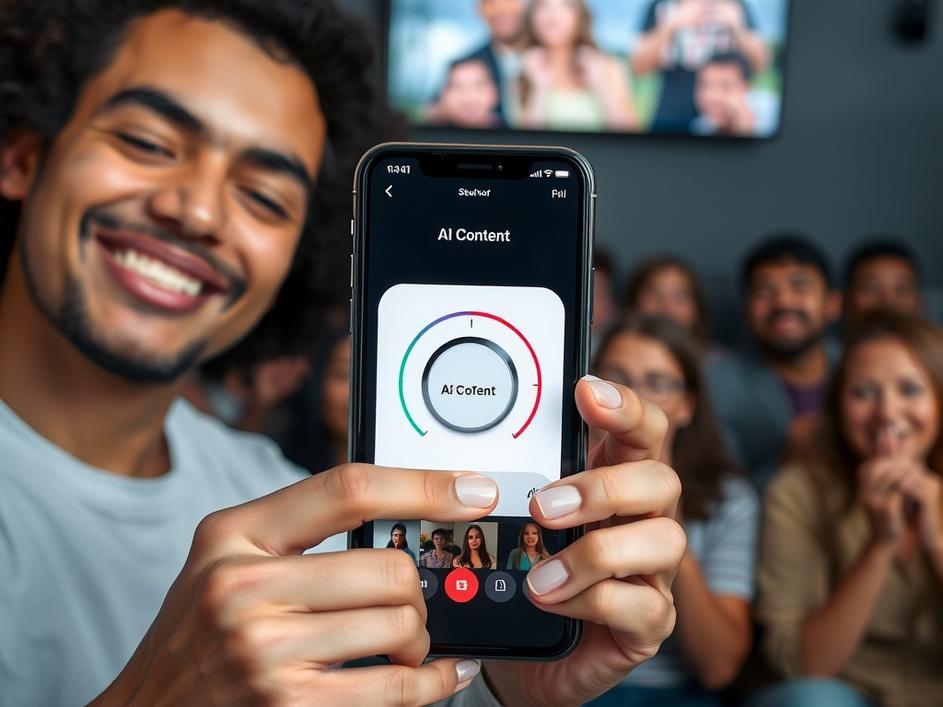
TikTok’s announced they’re rolling out a feature that lets you adjust how much AI-driven content appears in your “For You” feed. Details are still a little thin, but the gist is that you’ll be able to tell TikTok, “Hey, ease up on the stuff that feels fake,” or, conversely, “Show me more of what the algorithm thinks I’ll like.” This is a big deal because it puts the power back in the hands of the user. Instead of being at the mercy of the algorithm, you can actively shape your own experience.
So, why is this important? First, it’s about the quality of content. No one wants to spend their time wading through endless streams of AI-generated noise. By giving users the ability to filter this out, TikTok can improve the overall viewing experience. Second, it’s about authenticity. People come to TikTok for genuine connections and relatable content. AI-generated stuff often feels impersonal and manufactured, undermining the platform’s appeal. And third, it’s about combating misinformation. AI can be used to create convincing but false content, and giving users more control can help them avoid falling for scams and hoaxes.
Of course, this isn’t a perfect solution. TikTok’s algorithm is still going to be a major player in determining what you see. And there’s a risk that some users might accidentally filter out content they’d actually enjoy. For example, maybe an independent artist is using AI tools to enhance their music videos. Will those videos get unfairly flagged as “AI slop”? It remains to be seen how TikTok will balance user preferences with the need to promote a diverse range of content. The key is transparency. TikTok needs to be clear about how the filtering system works and give users the tools to fine-tune their settings.
Even with potential challenges, this move from TikTok is a welcome change. It acknowledges that AI-generated content, while potentially useful in some contexts, can also be detrimental to the platform. By giving users more control, TikTok is empowering them to curate their own experiences and prioritize authenticity over algorithmically driven noise. It’s a sign that TikTok is listening to its users and taking steps to create a more engaging and enjoyable platform. Other social media giants will likely be watching closely to see how this plays out, and they may soon follow suit.
This is a crucial moment for social media. As AI becomes more sophisticated, it’s essential that platforms give users the tools to discern between real and fake, authentic and manufactured. The future of online engagement depends on it.
It’s important to consider what this change means for content creators, too. If users start actively filtering out content that feels like “AI slop”, creators will need to focus on producing authentic, high-quality material that resonates with their audience. This could lead to a renaissance of creativity, where genuine storytelling and unique perspectives are valued above all else. It could also incentivize creators to be more transparent about their use of AI tools, if they are using them. Openness and honesty will become crucial for building trust and maintaining a loyal following.
There are still many unanswered questions. How effective will this filtering system actually be? Will it be easy to use? And how will TikTok ensure that it doesn’t inadvertently censor legitimate content? These are all important issues that need to be addressed as the feature rolls out. Additionally, there’s the challenge of defining “AI slop” in the first place. What one person considers to be artificial and unengaging, another might find perfectly entertaining. TikTok will need to develop a sophisticated system that takes into account individual preferences and nuances.
Ultimately, TikTok’s decision to give users more control over AI-generated content is a step in the right direction. It signals a shift towards prioritizing authenticity and empowering users to shape their own online experiences. While there are challenges ahead, this change has the potential to improve the quality of content on TikTok and foster a more genuine and engaging community. As AI continues to evolve, it’s crucial that social media platforms prioritize user control and transparency to build trust and maintain a vibrant and authentic online environment. This move by TikTok could set a new standard for how social media platforms address the growing influence of AI in online content.



Comments are closed