

We are a digital agency helping businesses develop immersive, engaging, and user-focused web, app, and software solutions.
2310 Mira Vista Ave
Montrose, CA 91020

2500+ reviews based on client feedback
What's Included?
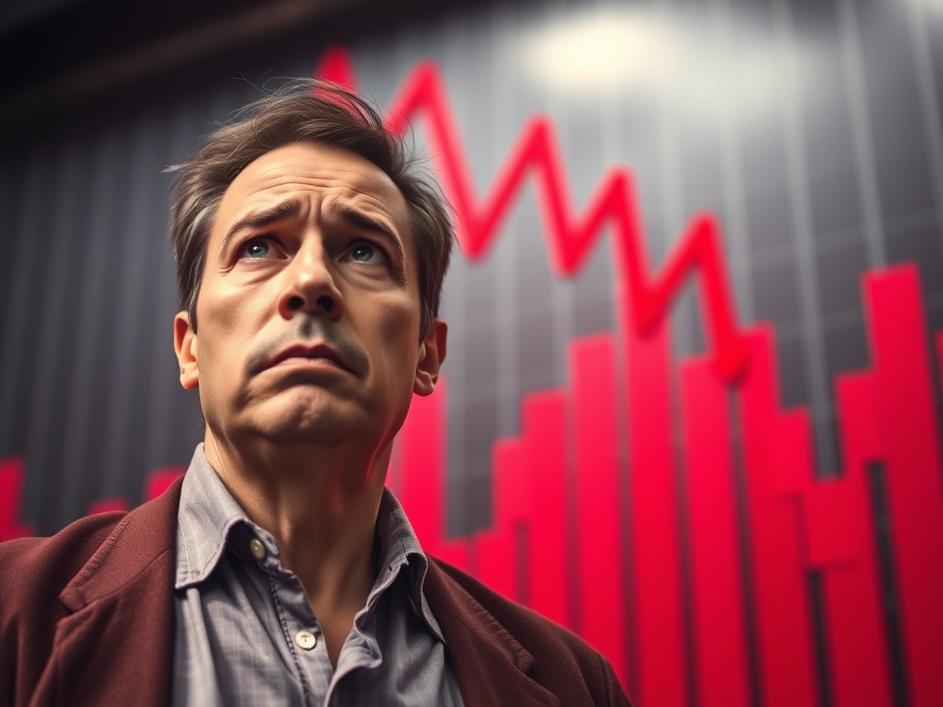
ToggleWall Street took a major hit on November 20, 2025, with a staggering $2.7 trillion wiped out in a single day. It’s a number that’s hard to wrap your head around, and it’s got everyone wondering: what happened? The immediate answer points to a tech stock sell-off, fueled by a combination of factors, including mixed jobs data and concerns about inflated valuations. But digging deeper, this could be a sign that the artificial intelligence (AI) boom, which has been driving much of the market’s growth, might be facing its first real test.
For the past few years, AI has been the hottest ticket in town. Companies involved in AI, from chipmakers to software developers, have seen their stock prices skyrocket. Investors have been eager to jump on board, hoping to cash in on what many believe is the next big thing. But as with any hyped-up market, there’s always a risk of a bubble. Are we seeing the first cracks in that bubble now? The recent sell-off suggests that some investors are starting to question whether the valuations of these AI companies are justified. Maybe the future isn’t quite as bright as they hoped.
It wasn’t just AI worries that triggered the market downturn. Mixed jobs data also played a significant role. While some sectors of the economy are still showing strength, others are starting to slow down. This uncertainty makes it difficult for investors to predict the future, and when there’s uncertainty, people tend to sell. The Federal Reserve’s monetary policy is another factor. With interest rates still relatively high, borrowing money is more expensive, which can put a damper on economic growth. This makes investors even more nervous about holding onto risky assets like tech stocks.
While a $2.7 trillion loss sounds scary, it’s important to remember that market corrections are a normal part of the economic cycle. After a long period of growth, it’s not unusual for the market to take a breather. In fact, a correction can be healthy, as it helps to weed out overvalued companies and reset expectations. This could be what we’re seeing now. The AI sector has been on such a tear that a correction was probably inevitable. This doesn’t mean that AI is going away, but it does mean that investors need to be more realistic about its potential.
So, is the AI party over? Not necessarily. AI is still a powerful technology with the potential to transform many industries. But the recent market crash serves as a reminder that investments should be based on fundamentals, not just hype. Companies need to show real profits and sustainable business models, not just promises of future growth. Investors need to do their homework and understand the risks involved before pouring money into any investment, especially in a volatile sector like AI.
For the average investor, the Wall Street crash is a reminder of the importance of diversification and long-term investing. Don’t put all your eggs in one basket, and don’t panic sell when the market goes down. Instead, focus on building a well-balanced portfolio that can weather the ups and downs of the market. It’s also a good time to re-evaluate your risk tolerance and make sure you’re comfortable with the level of risk you’re taking. If you’re not sure where to start, consider talking to a financial advisor.
The stock market can be a rollercoaster, and there will always be periods of volatility. The key is to stay calm, stay informed, and focus on the long term. Don’t let short-term market fluctuations derail your financial goals. Remember, investing is a marathon, not a sprint. By staying disciplined and patient, you can increase your chances of success, even in a turbulent market.
Ultimately, the Wall Street crash of November 20, 2025, is a valuable learning experience for everyone. It teaches us the importance of being cautious, doing our research, and not getting caught up in the hype. It also reminds us that the market is unpredictable, and that there are no guarantees when it comes to investing. But by learning from our mistakes and staying focused on our long-term goals, we can become better investors and build a more secure financial future.


Comments are closed