

We are a digital agency helping businesses develop immersive, engaging, and user-focused web, app, and software solutions.
2310 Mira Vista Ave
Montrose, CA 91020

2500+ reviews based on client feedback
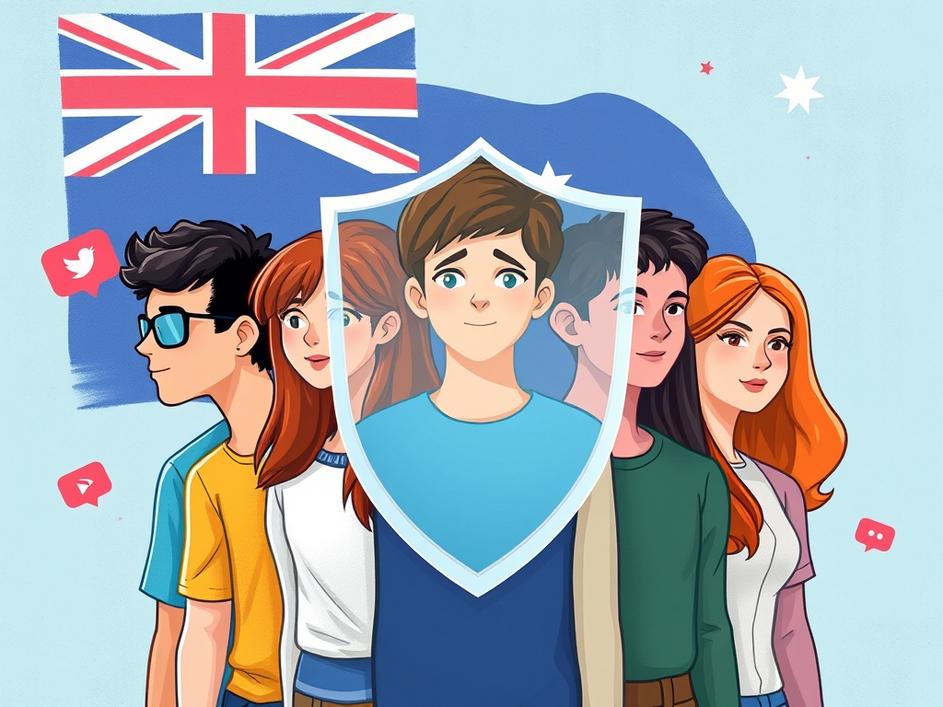
Australia is about to implement a significant change in how teenagers engage with social media. The country is preparing to enact a ban on social media for users under the age of 16. This initiative, spearheaded by the eSafety Commissioner, seeks to protect younger users from potential online harms. As the implementation date draws near, the list of platforms subject to this ban has seen a notable adjustment: Twitch has been added, while Pinterest has been exempted. This decision highlights the complexities of regulating online spaces and the challenges in determining which platforms pose the greatest risks to young people.
Twitch, the popular live-streaming platform primarily known for its gaming content, has now found itself on the list of banned social media sites for Australian teens. This decision likely stems from the interactive nature of Twitch, where users can engage in real-time communication through chat and other features. This interactivity, while engaging, also presents potential risks such as exposure to inappropriate content, cyberbullying, and grooming. The eSafety Commissioner’s decision suggests a concern that the live, unfiltered nature of Twitch could make it difficult to adequately protect young users from these harms. And, of course, there is a financial incentive, too. With the rise of gambling and other real-money schemes appearing on Twitch, children are susceptible to monetary scams that can damage their development and hurt families.
In contrast to Twitch, Pinterest has been excluded from the ban. Pinterest, a platform primarily focused on visual discovery and inspiration, is often viewed as a less risky online environment for young people. Its content is generally more curated and less prone to the types of real-time interactions that can lead to online harm. The eSafety Commissioner’s decision to exempt Pinterest suggests a focus on the type of content and interactions that occur on different platforms. It indicates a belief that Pinterest’s emphasis on visual content and curated experiences makes it a safer space for younger users compared to platforms like Twitch.
The Australian government’s approach to social media regulation reflects a growing global concern about the impact of online platforms on young people’s well-being. The decision to ban certain platforms while exempting others highlights the need for a nuanced understanding of the risks associated with different online environments. It also raises questions about the effectiveness of blanket bans versus more targeted interventions. Is banning entire platforms the best way to protect young users, or are there other measures that could be more effective, such as age verification, content moderation, and digital literacy education? And who will enforce all of this, anyway?
Australia’s actions are part of a broader global trend toward increased scrutiny and regulation of social media platforms. Governments around the world are grappling with the challenges of balancing freedom of expression with the need to protect vulnerable users, particularly children. The debate over social media regulation is complex and multifaceted, involving legal, ethical, and technological considerations. As Australia moves forward with its social media ban, it will be closely watched by other countries considering similar measures. The country will face many hurdles on this journey, including whether or not the ban is effective or if users simply use VPNs to bypass the restrictions, rendering the entire effort moot.
One of the biggest challenges facing Australia’s social media ban is enforcement. How will the government effectively prevent teenagers from accessing banned platforms? Age verification is a complex issue, and many young users may find ways to circumvent restrictions using VPNs or other methods. Furthermore, the ban could inadvertently push young people toward less regulated platforms, where they may be even more vulnerable to online harms. The effectiveness of the ban will depend on a combination of technological measures, parental involvement, and educational initiatives. The government’s eSafety Commissioner will also have to ensure the ban does not unduly restrict older teens, for whom social media can be a boon to development and interaction.
Ultimately, protecting young people online requires a collaborative effort involving governments, platforms, parents, and educators. Parents play a crucial role in educating their children about online safety and helping them navigate the digital world responsibly. Open communication, parental monitoring, and digital literacy education are essential tools for empowering young people to make informed decisions about their online activities. Parents should stay on top of the platforms their children use and engage in discussion about the potential risks and rewards of these sites.
The landscape of social media is constantly evolving, and regulations must adapt to keep pace. The Australian social media ban is just one step in an ongoing process of finding the right balance between protecting young people and preserving freedom of expression. As new platforms emerge and existing platforms evolve, regulators will need to remain vigilant and proactive in addressing the challenges of online safety. Future regulations should be adaptive and flexible enough to respond to the dynamic nature of the online world. The current ban is a first step, but the Australian government will have to continue to study trends and make changes as needed.
Australia’s decision to ban Twitch while exempting Pinterest for users under 16 underscores the complexities of regulating social media. While the effectiveness of this specific approach remains to be seen, it undoubtedly sparks a crucial conversation about online safety and the responsibility of governments, platforms, and parents in protecting young people in the digital age. This is a necessary conversation that will continue to evolve as we learn more about the impact of social media on our youth. Ultimately, the goal is to create a safer and more positive online experience for all.


Comments are closed