

We are a digital agency helping businesses develop immersive, engaging, and user-focused web, app, and software solutions.
2310 Mira Vista Ave
Montrose, CA 91020

2500+ reviews based on client feedback
We’ve all seen the headlines, or maybe even been on a flight where things got a little… heated. It seems like incidents involving unruly passengers are on the rise, and not just because of delays or lost luggage. While those are definitely factors, there’s a deeper current of anxiety and frustration flowing through the skies. The question is: why are more people losing it mid-flight?
Think about modern air travel for a second. You’re crammed into a small space, often with limited legroom and recycled air. You’re subject to the whims of the airline, the weather, and the people around you. There’s a lack of control that can be incredibly stressful, especially for people who already struggle with anxiety. Add to that the increasing costs of flying, the nickel-and-diming for everything from baggage to snacks, and the generally unpleasant airport experience, and you’ve got a recipe for tension.
It’s not just the physical discomfort. Air travel disrupts our routines, throws off our sleep schedules, and exposes us to a germ-filled environment. These stressors can weaken our immune systems and make us more susceptible to emotional outbursts. Furthermore, many people are traveling for significant events – weddings, funerals, important business meetings. The pressure to arrive on time and in good shape can amplify existing anxieties and lead to breakdowns when things go wrong.
The COVID-19 pandemic has undoubtedly played a role. Travel restrictions, fear of infection, and the general sense of uncertainty have left many people on edge. Some passengers may still be anxious about hygiene and personal space, leading to conflicts with fellow travelers or crew members. The pandemic also forced many people to confront their own mortality and anxieties, which can manifest in unexpected ways when faced with the stresses of air travel.
While it might seem like a good idea to take the edge off with a few drinks before or during a flight, alcohol can actually exacerbate anxiety and aggression. At high altitudes, the effects of alcohol are amplified, making people more likely to act impulsively or irrationally. Combine this with the other stressors of air travel, and you have a potentially dangerous situation.
In today’s world, even minor incidents can quickly escalate when captured on video and shared on social media. The pressure to perform or document can lead some passengers to behave in ways they normally wouldn’t, further contributing to the problem of in-flight disturbances. Knowing you might be filmed and judged by millions can make the already stressful experience of air travel even more daunting.
There’s no easy fix to this problem, but airlines and airports could take steps to improve the travel experience. This could include providing more comfortable seating, offering healthier food options, and streamlining the boarding and security process. Mental health awareness campaigns could also help passengers identify and manage their stress levels before and during flights. And perhaps most importantly, fostering a culture of empathy and understanding among passengers and crew members can go a long way toward de-escalating tense situations.
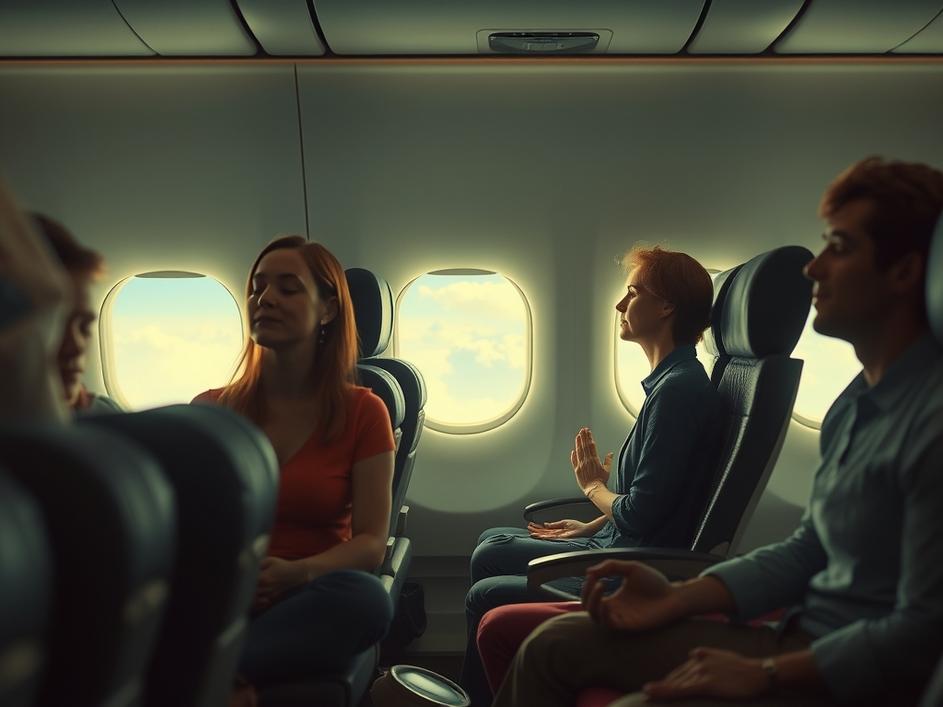
Ultimately, individual responsibility is key. Travelers can equip themselves with coping mechanisms for dealing with anxiety. Simple breathing exercises, meditation, and mindfulness techniques can be incredibly helpful. Packing comfort items like a favorite book or a calming aromatherapy oil can also create a sense of control and relaxation. Planning ahead, allowing extra time for travel, and managing expectations can minimize stress from the start. Remember, kindness and patience can make a world of difference, both for yourself and for those around you.
The rise in in-flight meltdowns is a symptom of a larger societal issue: increased stress and anxiety in a world that feels increasingly uncertain. While airlines and airports have a role to play in improving the travel experience, it’s up to each of us to cultivate compassion and understanding, both for ourselves and for our fellow travelers. By recognizing the underlying pressures that contribute to these incidents, we can create a more peaceful and supportive environment in the skies. Maybe a little kindness and a deep breath are the best travel companions we can bring on board.



Comments are closed