

We are a digital agency helping businesses develop immersive, engaging, and user-focused web, app, and software solutions.
2310 Mira Vista Ave
Montrose, CA 91020

2500+ reviews based on client feedback
What's Included?
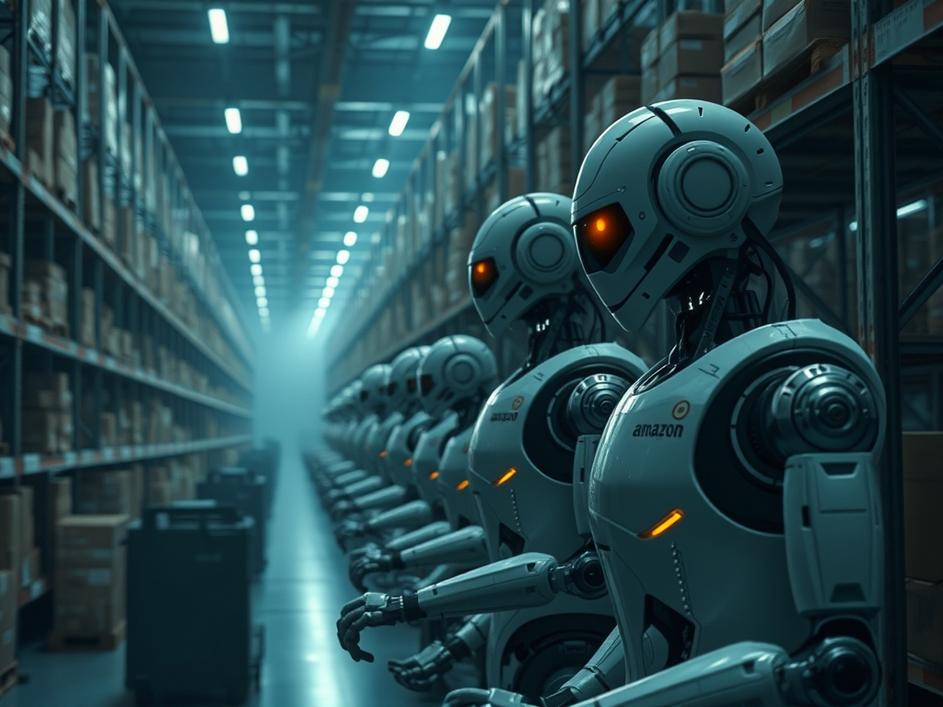
ToggleThe news is buzzing: Amazon might be making some big changes, and those changes could involve a lot of job losses. We’re talking potentially over 600,000 positions. The culprit? Artificial intelligence. It’s a scary prospect, and it raises some serious questions about the future of work, especially in a company as massive as Amazon.
Details are still emerging, but the general idea seems to be that Amazon wants to use AI to automate many of the tasks currently done by human employees. This could range from warehouse operations and delivery services to customer support and even some aspects of software development. The promise, of course, is increased efficiency and reduced costs. But the human cost could be staggering.
Losing that many jobs wouldn’t just affect Amazon employees. Think about the broader economic consequences. That’s 600,000+ people potentially struggling to find new work, which impacts their families, their communities, and the economy as a whole. It could lead to increased competition for fewer jobs, wage stagnation, and a rise in social unrest. It’s not just about robots replacing humans; it’s about the potential for widespread economic disruption.
Some argue that AI will create new jobs to offset the losses. They claim that while certain roles will become obsolete, new opportunities will emerge in areas like AI development, maintenance, and training. And that’s likely true… to some extent. But will those new jobs be accessible to the same people who are being displaced? Will the skills required for these new roles be easily attainable, or will they require specialized education and training that many workers can’t afford or access? The transition won’t be seamless, and there’s a real risk that it will exacerbate existing inequalities.
We need to think beyond just the numbers and consider the human impact. Work isn’t just about earning a paycheck; it’s about purpose, identity, and social connection. Losing a job can be incredibly demoralizing and can have a devastating effect on a person’s mental and emotional well-being. Companies like Amazon have a responsibility to consider the well-being of their employees and to mitigate the negative consequences of automation. This could involve investing in retraining programs, providing support services for displaced workers, and exploring alternative models of employment that prioritize human dignity and well-being.
The optics of this potential move are terrible for Amazon. They’ve already faced criticism for their working conditions and treatment of employees. Mass layoffs driven by AI will only fuel the narrative that Amazon prioritizes profit over people. This could damage their brand reputation and lead to consumer backlash.
The development of AI is progressing at an incredible pace, and it’s clear that it will continue to transform the world of work. But we need to ensure that this transformation is managed responsibly and ethically. This means considering the social and economic consequences of automation and taking steps to mitigate the negative impacts. It also means investing in education and training to prepare workers for the jobs of the future. The conversation shouldn’t be about stopping progress; it should be about shaping it in a way that benefits everyone, not just the wealthy few.
Ultimately, the future of work in the age of AI is uncertain. There are risks and opportunities. But one thing is clear: We need to start having a serious conversation about how to manage this transition in a way that is fair, equitable, and sustainable. We can’t simply sit back and let technology dictate our fate. We need to actively shape the future we want to create, one that values human dignity and well-being alongside technological progress.



Comments are closed