

We are a digital agency helping businesses develop immersive, engaging, and user-focused web, app, and software solutions.
2310 Mira Vista Ave
Montrose, CA 91020

2500+ reviews based on client feedback
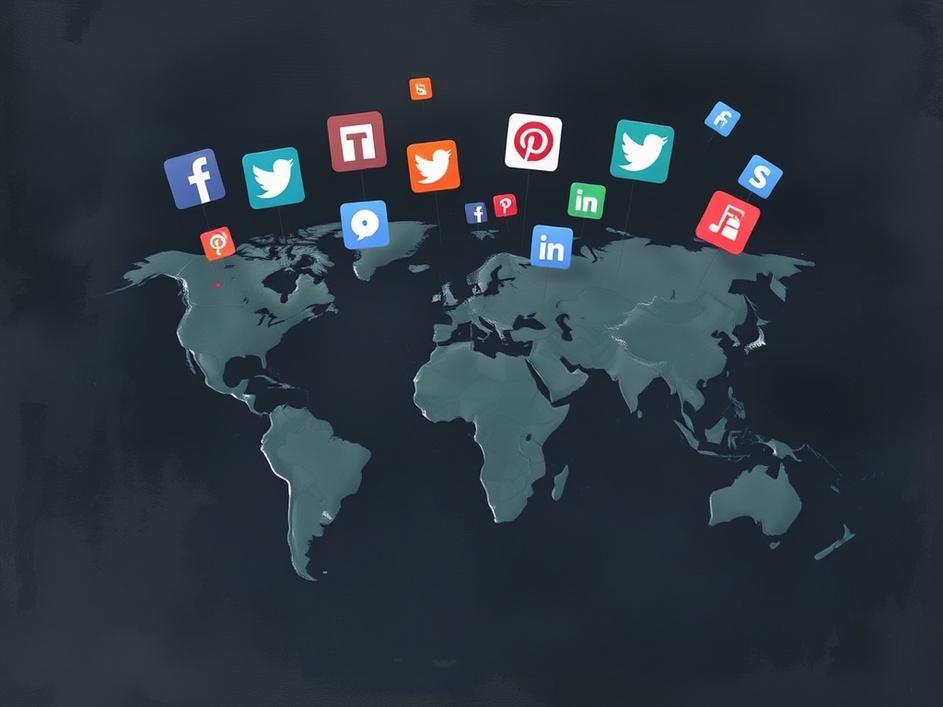
So, X (formerly Twitter) has rolled out this new feature that shows where an account is based. Sounds simple enough, right? But it’s already stirring up a hornet’s nest, especially in the political sphere. The big reveal? Some very vocal accounts known for their unwavering support of certain politicians might not actually be located where you think they are. This isn’t just about knowing where someone is tweeting from; it’s about the potential for manipulation and the spread of misinformation. And it’s got everyone asking: how much of what we read online is genuine, and how much is carefully crafted propaganda from somewhere else entirely?
Let’s be clear: there’s nothing inherently wrong with someone outside a country expressing opinions on its politics. But when accounts appear to be hyper-focused on a particular political figure, consistently pushing a specific narrative, and then turn out to be operating from another country, it raises some serious red flags. Are these organic voices, or are they part of a coordinated effort to influence public opinion? It’s a valid question, and one that demands closer scrutiny. Think about it: a tweet supporting a candidate might carry more weight if you believe it’s coming from a fellow citizen experiencing the same realities. But if that tweet originates from a different country with potentially different agendas, the context shifts dramatically.
Location data adds a crucial layer of context to online interactions. Knowing that a user is based in, say, Iowa, gives their political commentary a certain weight, especially if they’re discussing local issues. Conversely, if the same user is based in another country, their perspective might be interesting, but it’s clearly not born from the same lived experience. This isn’t about silencing foreign voices; it’s about transparency and allowing users to make informed judgments about the information they’re consuming. Without location data, it’s much easier for malicious actors to create fake personas and spread disinformation under the guise of being ordinary citizens.
The implications of this X update extend far beyond simple curiosity. The ability to mask one’s location online has long been a tool for spreading misinformation and influencing elections. Foreign interference in democratic processes is a well-documented threat, and social media platforms have become a key battleground. By revealing the location of accounts, X is taking a step towards combating this threat, but it’s just one piece of the puzzle. We also need better tools for identifying bot accounts, fact-checking dubious claims, and educating users about media literacy. The fight against misinformation is an ongoing process, and it requires a multi-faceted approach.
Of course, there are valid reasons why someone might choose to hide their location online. Journalists operating in repressive regimes, activists fighting for human rights, and individuals concerned about their privacy all have legitimate reasons to mask their whereabouts. But for accounts that are primarily engaged in political advocacy, transparency is essential. The public has a right to know where these voices are coming from, especially when they’re amplified by social media algorithms and have the potential to reach millions of people. This isn’t about censorship; it’s about providing users with the information they need to make informed decisions about the content they consume.
X’s new feature is a welcome step, but it’s not a magic bullet. Social media platforms have a responsibility to do more to combat misinformation and protect the integrity of online discourse. This includes investing in better tools for identifying and removing bot accounts, working with fact-checkers to debunk false claims, and promoting media literacy among users. Ultimately, it’s up to us, as consumers of information, to be critical thinkers and to question the sources of the information we encounter online. We need to be aware of the potential for manipulation and to seek out diverse perspectives before forming our own opinions.
In the end, X’s location reveal is a stark reminder that what you see online isn’t always what it seems. The digital landscape is complex, filled with both genuine voices and carefully crafted deceptions. By encouraging transparency and promoting media literacy, we can empower ourselves to navigate this landscape with greater awareness and to make informed decisions about the information we consume. It’s a challenge, but it’s one we must embrace if we want to protect the integrity of our democratic processes and the health of our public discourse.
This situation highlights the echo chamber effect prevalent on social media. Algorithms often prioritize content that aligns with our existing beliefs, creating a feedback loop that reinforces our biases. When combined with potentially misleading location information, these echo chambers can become breeding grounds for misinformation and polarization. It is essential for users to actively seek out diverse perspectives and challenge their own assumptions. This requires a conscious effort to step outside of our comfort zones and engage with viewpoints that differ from our own. Only then can we break free from the echo chamber and gain a more comprehensive understanding of the world around us.



Comments are closed