

We are a digital agency helping businesses develop immersive, engaging, and user-focused web, app, and software solutions.
2310 Mira Vista Ave
Montrose, CA 91020

2500+ reviews based on client feedback
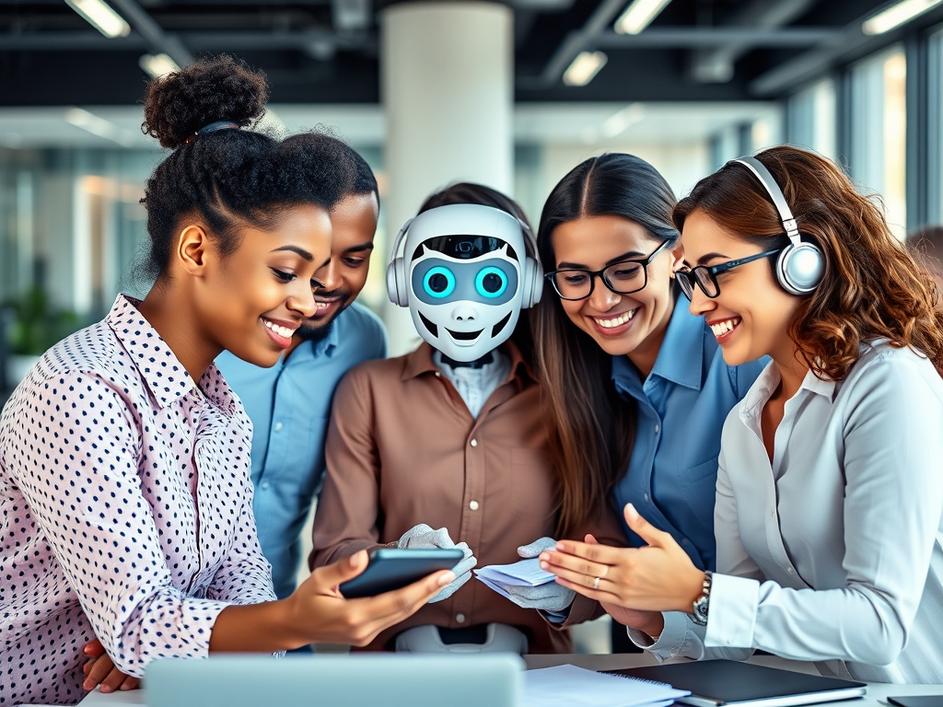
We’re not just talking about cool new software anymore. Artificial intelligence is rapidly becoming an integral part of the workforce. Smart business leaders are moving past the question of whether AI can handle tasks and focusing on where it *should* be applied for maximum impact. This shift requires a fundamental change in how we view AI – not as a tool, but as a collaborator. And that means treating AI agents less like lines of code and more like… well, employees.
For years, the conversation around AI centered on automation – replacing human workers with machines to cut costs and increase efficiency. But that’s a limited view. The real power of AI lies in its ability to augment human capabilities, to handle tasks that are repetitive, data-intensive, or simply too complex for humans to manage alone. Think of AI as a super-powered intern, capable of processing information at lightning speed and freeing up human workers to focus on creative problem-solving, strategic thinking, and building relationships. This requires a more nuanced approach to AI implementation, one that considers the skills and needs of both human and artificial workers.
Just like human employees, AI agents require training and development to reach their full potential. This isn’t just about feeding them data; it’s about designing AI systems that align with the organization’s goals and values. Consider ethics, bias, and fairness during the training process. An AI that is improperly trained can perpetuate harmful stereotypes or make decisions that are not in the best interest of the company or its customers. Regular audits and evaluations are essential to ensure that AI agents are performing as expected and adhering to ethical guidelines. Furthermore, it is useful to update the training process to keep up with changes and new features.
Imagine a team where no one knows who’s in charge or what they’re supposed to do. Chaos, right? The same applies to AI. To effectively integrate AI agents into the workforce, it’s crucial to define their roles, responsibilities, and reporting structures clearly. Who is responsible for overseeing the AI’s performance? Who is accountable if it makes a mistake? How does the AI agent communicate with human colleagues? These are essential questions that must be addressed to ensure smooth collaboration and prevent misunderstandings. This might involve creating new job titles, establishing clear lines of communication, and developing protocols for handling AI-related issues.
One of the biggest challenges in working with AI is understanding how it arrives at its decisions. Unlike humans, AI agents often operate as “black boxes,” making it difficult to trace their reasoning or identify potential biases. This lack of transparency can erode trust and make it difficult to hold AI accountable. To address this issue, businesses must prioritize transparency and explainability in their AI systems. This means developing AI models that are easier to understand and providing clear explanations of how they work. It also means being open and honest about the limitations of AI and acknowledging the potential for errors.
The most successful AI implementations will be those that focus on collaboration between humans and machines. This requires a shift in mindset, from viewing AI as a replacement for human workers to seeing it as a tool that can empower them to do their jobs more effectively. Instead of asking “How can AI automate this task?” we should be asking “How can AI help humans do this task better?” This approach recognizes the unique strengths of both humans and AI and leverages them to create a more efficient and effective workforce.
The future of work is not about humans versus machines; it’s about humans *with* machines. By treating AI agents more like human workers – investing in their training, defining their roles, and prioritizing transparency – businesses can unlock the full potential of this technology and create a more innovative, productive, and fulfilling work environment for everyone. The integration of AI into the workforce is not just a technological challenge; it’s a human one. And by embracing a human-centered approach to AI, we can ensure that this technology benefits everyone, not just a select few.


Comments are closed