

We are a digital agency helping businesses develop immersive, engaging, and user-focused web, app, and software solutions.
2310 Mira Vista Ave
Montrose, CA 91020

2500+ reviews based on client feedback
What's Included?
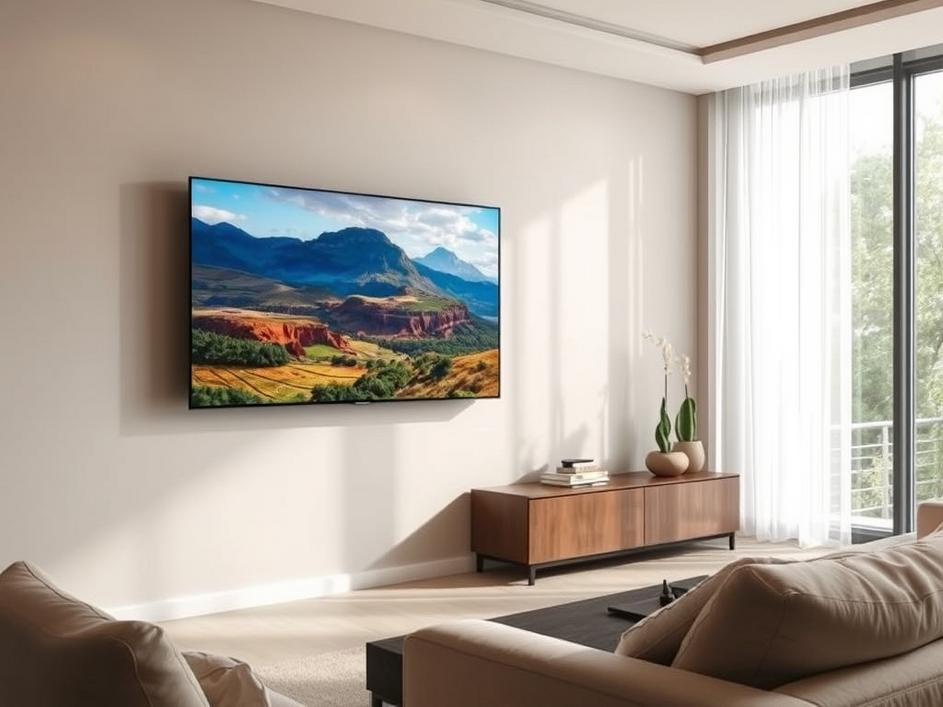
ToggleArt TVs are having a moment. The idea of a television that masquerades as a piece of art when not in use is undeniably appealing. Imagine a sleek, modern screen seamlessly blending into your carefully curated living room aesthetic. No more black mirror dominating the space when you’re not binge-watching your favorite shows. But, as with most things, the reality isn’t always as perfect as the marketing promises. The big question is: Are these TVs actually any good, and are you paying a premium just for the design?
Samsung’s The Frame is the undisputed king of the art TV market. It essentially created the category, and it continues to be the benchmark against which all other art TVs are judged. The Frame’s main selling point is its ability to display artwork when in standby mode. You can subscribe to Samsung’s Art Store for a vast library of digital art, or you can upload your own photos. The TV’s matte display helps reduce glare and make the artwork look more like a real painting or print. However, The Frame isn’t exactly a top-tier television when it comes to picture quality. While it’s perfectly adequate for everyday viewing, it doesn’t offer the same level of performance as Samsung’s flagship QLED or OLED TVs. You’re paying a premium for the design and the art features, not necessarily for the best possible viewing experience.
Recognizing the appeal of art TVs, other manufacturers have jumped into the fray, offering their own alternatives to The Frame. Hisense and TCL, known for their value-oriented TVs, have introduced models that aim to deliver a similar aesthetic at a lower price point. These TVs often feature a slim design and the ability to display artwork, but they typically cut corners in other areas. Picture quality may not be as good as The Frame, and the art features might be less polished. But, if you’re primarily interested in the art aspect and less concerned about having the absolute best picture, these alternatives can be a compelling option.
When considering an art TV, it’s crucial to think about your priorities. Are you a videophile who demands the deepest blacks, the most vibrant colors, and the smoothest motion handling? If so, you’re probably better off with a traditional high-end TV from Samsung, LG, or Sony. These TVs are engineered to deliver the best possible picture quality, and they’ll offer a far superior viewing experience. However, if you value aesthetics above all else, and you’re willing to sacrifice some picture quality for a TV that looks beautiful even when it’s turned off, then an art TV might be a good fit. Consider how much time you spend actively watching television versus how much time the TV spends as a decorative object in your room. If it’s mostly the latter, then an art TV could be a worthwhile investment.
No matter which art TV you choose, you’ll likely have to make some compromises. The Frame, while the most refined option, is also the most expensive. Hisense and TCL offer more affordable alternatives, but they come with their own set of drawbacks. Consider the viewing angles of the TV. How does the picture look when viewed from the side? What about the built-in smart TV platform? Does it offer all the streaming apps you need? And, of course, don’t forget about the sound quality. Most art TVs have relatively thin speakers, so you might want to invest in a soundbar or a separate audio system.
And don’t underestimate the importance of the installation. A key part of the ‘art’ experience of these TVs is how flush to the wall they can be mounted. Will you do it yourself, and are you comfortable hiding cables and wires? Or will you pay for professional installation?
Ultimately, the decision of whether or not to buy an art TV comes down to personal preference and priorities. If you’re looking for the absolute best picture quality, you’re probably better off with a traditional high-end TV. But, if you value aesthetics and design, and you’re willing to make some compromises on picture quality, then an art TV can be a stylish and functional addition to your home. Just be sure to do your research and compare different models before making a purchase. Consider what features you truly value, and don’t get caught up in the hype. Remember, the goal is to find a TV that not only looks good but also provides a satisfying viewing experience. Consider your budget, your viewing habits, and your aesthetic preferences, and then make an informed decision.


Comments are closed