

We are a digital agency helping businesses develop immersive, engaging, and user-focused web, app, and software solutions.
2310 Mira Vista Ave
Montrose, CA 91020

2500+ reviews based on client feedback
What's Included?
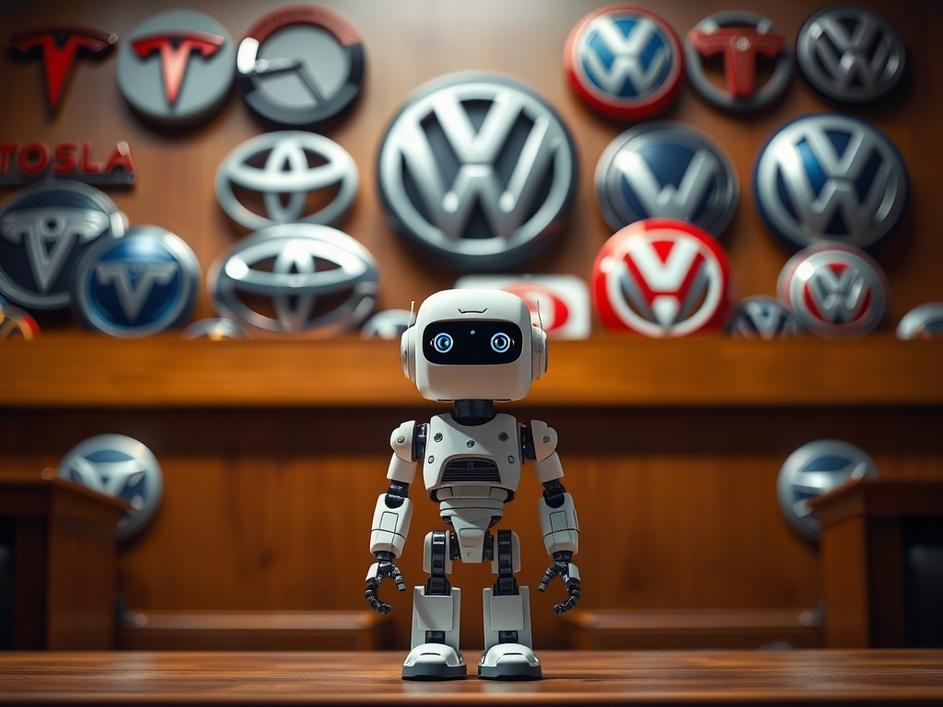
TogglePerrone Robotics, a name perhaps not as instantly recognizable as Tesla or Toyota, has just thrown down the gauntlet. The Virginia-based company is asserting its intellectual property rights in a big way, filing patent infringement lawsuits against some of the biggest players in the automotive industry. This isn’t just a minor skirmish; it’s a potentially pivotal moment in the development of self-driving technology.
The list of defendants reads like a who’s who of the automotive world: Tesla, Toyota, Volkswagen, Hyundai, Kia, Mazda, and Nissan. These aren’t small companies; they’re global giants with immense resources. Perrone Robotics is essentially claiming that these companies have infringed on its core technologies related to robotic and automated vehicle systems. This move signals a serious commitment to protecting its innovations, and a belief that it has a strong case to make in court.
While the specific details of the patents in question are complex, they broadly relate to foundational technologies that enable autonomous vehicle operation. We’re likely talking about innovations in areas like sensor fusion (combining data from multiple sensors like cameras, radar, and lidar), path planning (how the vehicle decides where to go), and vehicle control systems (how the vehicle executes those plans). These are core building blocks of any self-driving system. The fact that Perrone Robotics is targeting so many major manufacturers suggests they believe their patents cover widely used approaches in the industry.
Patent lawsuits are often about money, of course. Perrone Robotics likely seeks financial compensation for the alleged infringement. However, this case could be about much more than just dollars and cents. It could be about control over the future direction of self-driving technology. If Perrone Robotics wins, it could significantly impact how these automotive giants develop and deploy their autonomous systems. They might be forced to license Perrone’s technology, redesign their systems to avoid infringement, or even delay or abandon certain self-driving projects. This would give Perrone Robotics a major competitive advantage and potentially shape the entire industry landscape.
Taking on companies like Tesla and Toyota is a huge gamble for a smaller company like Perrone Robotics. Litigation is expensive and time-consuming. They’ll need to demonstrate clear and convincing evidence of infringement, and they’ll face a legal onslaught from some of the best lawyers money can buy. However, the potential rewards are enormous. A successful outcome could not only provide a significant financial windfall but also establish Perrone Robotics as a key player in the autonomous vehicle space. It could attract new investors, partners, and customers, and solidify its position as a technology leader.
This lawsuit highlights a growing trend in the self-driving industry: the increasing importance of intellectual property. As the technology matures, companies are becoming more aggressive in protecting their innovations. This could lead to more patent disputes and legal battles, potentially slowing down the pace of development and increasing the cost of bringing autonomous vehicles to market. On the other hand, it could also incentivize innovation by rewarding companies that develop truly novel and groundbreaking technologies.
The outcome of these lawsuits will be closely watched by the entire automotive industry. It could set important precedents regarding patent rights in the autonomous vehicle space and influence how companies approach innovation and competition in this rapidly evolving field. This is more than just a legal dispute; it’s a battle for the future of transportation.
Regardless of the outcome, Perrone Robotics’ actions underscore a crucial point: protecting innovation is paramount. In an industry as competitive and technologically advanced as autonomous vehicles, safeguarding intellectual property is essential for fostering growth and ensuring that groundbreaking ideas are rewarded. This case serves as a reminder that even smaller players can challenge industry giants and potentially reshape the future of technology.



Comments are closed