A Grim Reminder of Nature’s Power
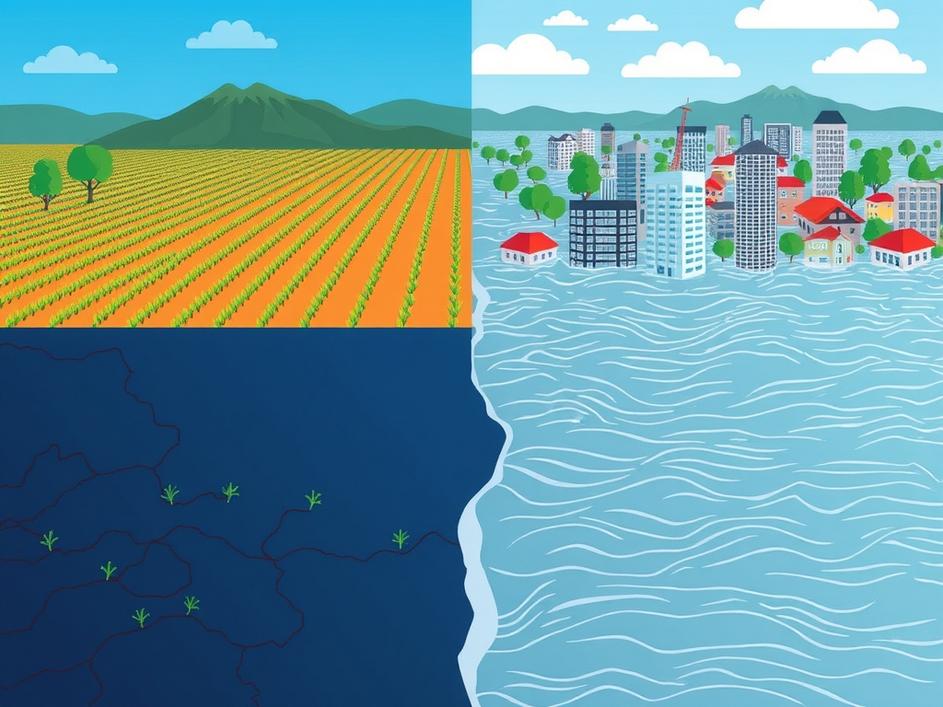
Climate change is not just a distant threat; it’s affecting our daily lives and the economy now. One of the most significant issues connected to climate change is water scarcity. Many regions around the world are experiencing unprecedented droughts, while others are flooded by extreme rainfall. This situation directly impacts agriculture, industry, and ultimately, the prices we see in stores. As we continue to witness these changes, it’s crucial to understand how our global supply chains are intertwined with the ongoing climate crisis.
The Ripple Effect on Agriculture
Agriculture has always been sensitive to climate. Farmers rely on predictable weather patterns and sufficient water supply to grow crops. When extreme weather strikes, it creates a ripple effect that goes beyond the fields. For instance, droughts mean lower crop yields, leading to scarcity in the market. This decrease then raises prices for consumers and can even lead to food insecurity in the worst-affected areas. The concern here isn’t just local; the effects on agriculture can send shockwaves globally, as regions traditionally dependent on certain crops may struggle.
Rising Costs and Consumer Impact
Realigning Supply Chains Towards Resilience
Addressing the impact of climate change on supply chains requires adaptation. Businesses must rethink their strategies, not just in terms of logistics but also in how they source materials. Companies may need to invest in sustainable practices, aiming for a more localized supply chain to mitigate risks. They’ll also have to consider more adaptive production techniques, such as using climate-resilient crops. Skills and technologies that help farmers manage uncertainty will also play a part in building a robust supply chain.
Hope in Community Efforts
On a positive note, many communities are coming together to tackle these issues head-on. From grassroots movements promoting sustainable farming practices to technological innovations designed to utilize resources more efficiently, there’s a growing awareness that we can fight back. Communities are engaging in dialogues about sustainability and exploring new partnerships that emphasize resilience. The efforts may seem small in the grand scheme, but they can help shift perspectives and practices.
Conclusion: Urgency and Action
The challenges posed by climate change are pressing and complex, especially concerning our global supply chains. Recognizing the connections between the environment and the economy is essential for building a more resilient future. As consumers, we can support businesses that adopt sustainable practices and advocate for policies promoting environmental responsibility. The time to act is now; the longer we wait, the heavier the toll on all of us—and the world we share.






Comments are closed