

We are a digital agency helping businesses develop immersive, engaging, and user-focused web, app, and software solutions.
2310 Mira Vista Ave
Montrose, CA 91020

2500+ reviews based on client feedback
What's Included?
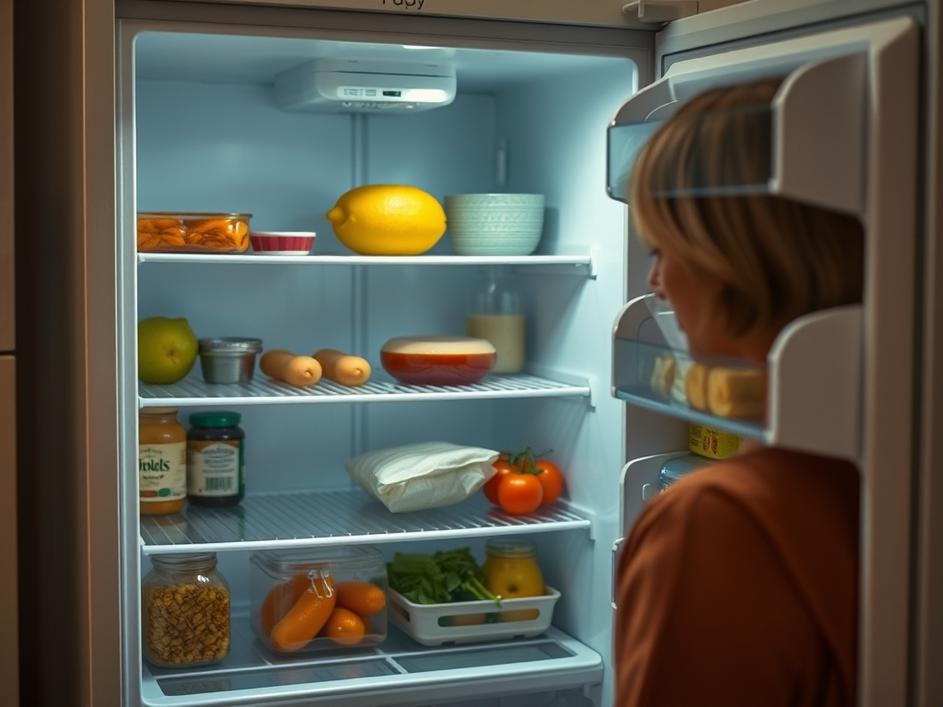
ToggleWe’ve all felt it. That tightening in your chest as the grocery bill climbs higher and higher. Inflation isn’t just a headline; it’s a daily reality. The cost of everything, from eggs to gasoline, has increased significantly over the past couple of years. It’s frustrating, stressful, and forces everyone to rethink their spending habits. But could there be a silver lining to this economic cloud? I think there is: it is forcing us to confront our wasteful habits and come up with more creative and responsible ways to reduce waste at home and beyond.
For a long time, many of us lived in a world of relative abundance, especially in developed nations. Food was cheap, goods were readily available, and convenience often trumped sustainability. It became easy to buy more than we needed, toss leftovers without a second thought, and replace items simply because we wanted something new. This culture of excess led to mountains of waste in landfills, straining our resources and contributing to environmental problems. Now, high prices are acting like a much-needed wake-up call. It’s harder to justify buying that extra item or letting food spoil when you know how much it costs.
One of the most noticeable changes is how we approach food. People are becoming more conscious of meal planning, using leftovers creatively, and preserving food to extend its shelf life. Suddenly, those old-fashioned techniques our grandparents used – canning, pickling, freezing – are making a comeback. It’s not just about saving money; it’s about respecting the food we have and minimizing waste. We’re seeing a resurgence of interest in cooking from scratch, which not only reduces reliance on processed foods but also allows for better control over ingredients and portion sizes. Community gardens and urban farming initiatives are also gaining popularity, empowering people to grow their own food and reduce their carbon footprint.
The impact of inflation extends far beyond the kitchen. People are becoming more mindful of their overall consumption habits. They are repairing items instead of replacing them, buying secondhand goods, and opting for experiences over material possessions. The “buy it for life” mentality is gaining traction as people seek out durable, high-quality products that will last longer, even if they cost more upfront. This shift in mindset is driven by both economic necessity and a growing awareness of the environmental impact of our consumption habits. People are asking questions like: “Do I really need this?” and “Is there a more sustainable alternative?”
Businesses are also responding to this changing landscape. We’re seeing more companies focus on sustainability, offering products and services that help consumers reduce waste and save money. From reusable packaging to repair services, businesses are finding innovative ways to meet the growing demand for eco-friendly options. The circular economy, which emphasizes reducing, reusing, and recycling, is gaining momentum as companies explore new business models that minimize waste and maximize resource efficiency. This creates new opportunities for entrepreneurs and innovators to develop sustainable solutions that benefit both consumers and the environment.
Inflation is also fostering a greater sense of community and collaboration. People are sharing resources, skills, and knowledge to help each other cope with rising costs. Community sharing initiatives, such as tool libraries and clothing swaps, are becoming more popular, allowing people to access items they need without having to buy them outright. Online platforms are connecting people who are willing to share their skills and expertise, whether it’s repairing a broken appliance or teaching a cooking class. This sense of community and collaboration not only helps people save money but also strengthens social bonds and promotes a more sustainable way of life.
High prices put pressure on lawmakers to act. Some local and state governments are starting to consider or implement policies that can help reduce waste. This could include investing in public transportation, incentivizing business to recycle, and other green initiatives.
Inflation is undoubtedly a challenge, but it also presents an opportunity. It’s forcing us to re-evaluate our priorities, rethink our consumption habits, and embrace a more sustainable way of life. While the immediate impact of rising prices can be painful, the long-term consequences of becoming more mindful consumers could be profoundly positive. By reducing waste, conserving resources, and embracing community, we can create a more resilient, equitable, and environmentally sustainable future. So, while we might grumble about the cost of groceries, maybe, just maybe, this economic pinch is pushing us towards a more responsible and conscious way of living. It’s a reminder that we can adapt, innovate, and build a better world, even in the face of adversity.


Comments are closed