

We are a digital agency helping businesses develop immersive, engaging, and user-focused web, app, and software solutions.
2310 Mira Vista Ave
Montrose, CA 91020

2500+ reviews based on client feedback
What's Included?
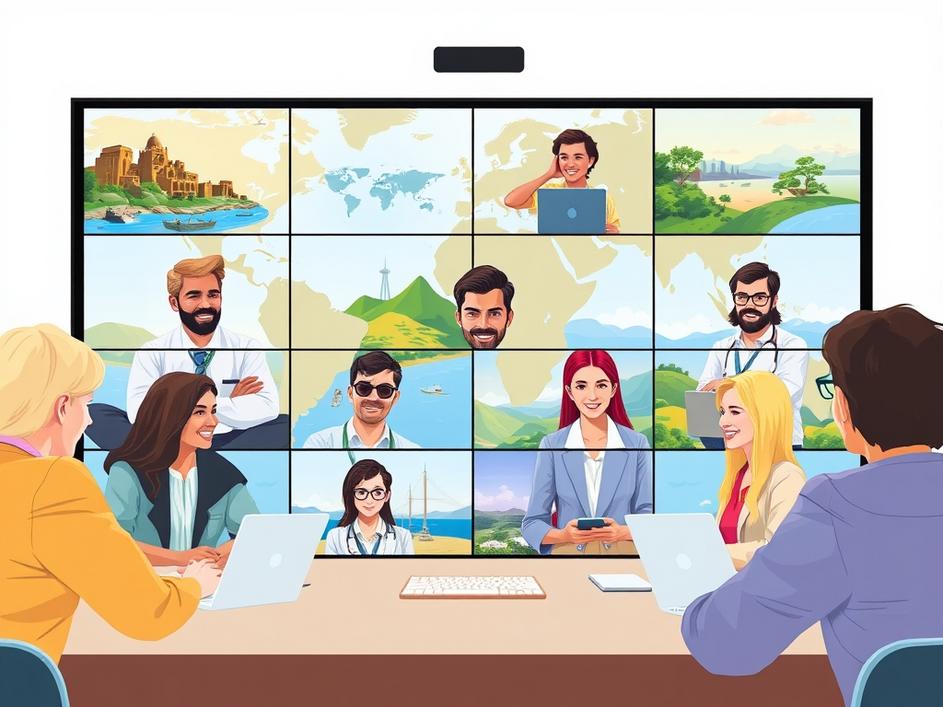
ToggleRemember when remote work was a temporary fix? Turns out, for many companies, it’s becoming a permanent fixture. What started as a necessity during lockdowns has blossomed into a preferred way of working for a lot of people, and businesses are starting to notice – and adapt. While initially, many bosses were worried that productivity would go down if people weren’t in the office, the data is showing a different story. And it’s not just about getting more work done; it’s about getting it done with happier, healthier employees.
One of the biggest wins of remote work? No more soul-crushing commutes! Think about it: hours spent stuck in traffic, packed like sardines on public transport, or just generally stressed out before you even begin the workday. That time is now being used for, well, life! People are sleeping in later, exercising, spending time with family, or just simply having a more relaxed start to the day. And a relaxed start to the day is a productive start to the day. The change has been significant enough that some are pointing to reduced carbon footprints as people aren’t driving to and from work.
Initially, managers had their doubts. How could they keep an eye on their teams if they weren’t physically present? But surprisingly, studies have shown that remote workers are often more productive than their in-office counterparts. Why? Fewer distractions, for one. No more water cooler gossip or impromptu meetings that derail your train of thought. People can focus on their tasks and get them done efficiently. Plus, remote work often allows for more flexible schedules, meaning employees can work when they’re most productive, whether that’s early in the morning or late at night.
Remote work has also opened up a world of possibilities for both companies and employees in terms of location. Companies can now hire talent from anywhere, not just within commuting distance of their office. This means access to a wider pool of skilled workers and the ability to build more diverse teams. Employees, on the other hand, can live where they want to live, whether that’s closer to family, in a more affordable area, or simply in a place that makes them happy. This flexibility can lead to increased job satisfaction and reduced turnover.
Of course, remote work isn’t without its challenges. Isolation and loneliness can be a problem for some, especially those who thrive on social interaction in the workplace. Maintaining a healthy work-life balance can also be difficult when your office is always just a few steps away. And then there’s the issue of communication. While technology has made it easier than ever to stay connected, it’s not always a perfect substitute for face-to-face interaction. Companies need to be proactive in addressing these challenges by providing opportunities for social connection, promoting healthy boundaries, and ensuring clear and consistent communication.
Ultimately, the success of remote work depends on a company’s ability to embrace flexibility and trust its employees. It’s not about simply replicating the office environment at home; it’s about creating a new way of working that prioritizes both productivity and well-being. This may involve investing in technology, providing training and support, and fostering a culture of open communication and collaboration. But the rewards are well worth the effort: happier, more productive employees, reduced overhead costs, and a more sustainable future.
Beyond employee happiness and increased productivity, the shift to remote work has a potentially significant environmental impact. Fewer cars on the road mean less traffic congestion and reduced greenhouse gas emissions. Less office space needed translates to lower energy consumption and reduced waste. While the environmental benefits of remote work may not be immediately obvious, they are certainly worth considering as we strive to create a more sustainable future. Of course, there are counter arguments, like increased energy use at home, but many believe the net effect is positive.
With more companies embracing remote or hybrid work models, the role of the physical office is also changing. Instead of being a place where everyone comes to work every day, the office is becoming more of a hub for collaboration, innovation, and social connection. Companies are redesigning their office spaces to create more flexible and collaborative environments, with fewer individual workstations and more meeting rooms and common areas. The office of the future is less about individual work and more about teamwork and community. It’s a place to connect, to share ideas, and to build relationships.
Remote work isn’t a perfect solution for every company or every employee, but it offers a compelling vision of a future where work is more flexible, more sustainable, and more aligned with individual needs and values. By embracing the opportunities and addressing the challenges of remote work, companies can create a win-win scenario for themselves and their employees, leading to increased productivity, improved well-being, and a more sustainable future. It requires adapting, experimenting, and being open to new ways of doing things. But the potential rewards are enormous. It will be interesting to see where it goes!



Comments are closed