

We are a digital agency helping businesses develop immersive, engaging, and user-focused web, app, and software solutions.
2310 Mira Vista Ave
Montrose, CA 91020

2500+ reviews based on client feedback
What's Included?
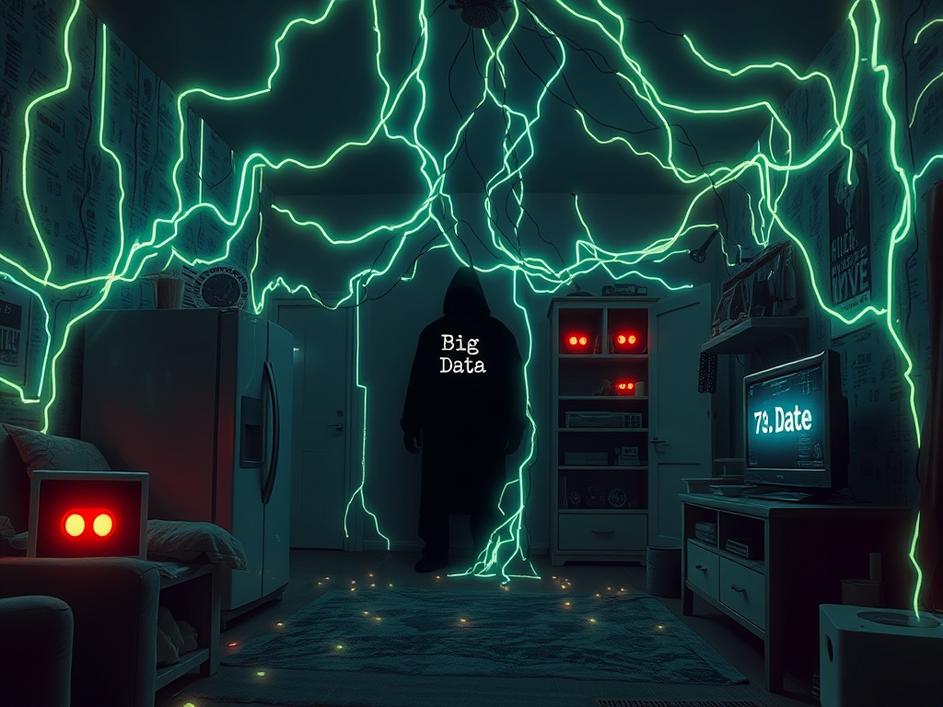
ToggleThe Internet of Things (IoT). Sounds futuristic, right? It’s already here, connecting our everyday objects to the internet. We’re talking smart fridges that order groceries, watches that track our steps, and thermostats that learn our temperature preferences. It’s all about convenience and efficiency. But with this increased connectivity comes a growing concern: privacy. Are these devices silently collecting our data? And if so, what’s being done with it?
Let’s be clear: data collection isn’t inherently bad. Companies use it to improve products, personalize services, and offer targeted ads (which, admittedly, can be annoying). But the sheer volume of data being gathered by IoT devices is staggering. Think about it: your smart TV knows what shows you watch, your smart speaker hears your conversations, and your fitness tracker records your location and health stats. All this information is being sent to someone, somewhere.
The problem isn’t just the *amount* of data, but also its *security*. Many IoT devices are notoriously vulnerable to hacking. They often lack basic security features, like strong passwords or regular software updates. This makes them easy targets for cybercriminals who want to steal your personal information, spy on your activities, or even use your devices to launch attacks on other networks. Imagine someone hacking into your smart home system and controlling your lights, locks, and security cameras. It’s a terrifying thought, and one that’s becoming increasingly realistic.
So, who is collecting all this data? Well, it’s a complex web of manufacturers, service providers, and third-party companies. The companies that make your devices collect usage data. The service providers that connect your devices to the internet have access to your browsing history. And third-party companies, like advertising networks, buy and sell data to target you with personalized ads. The lack of transparency makes it difficult to understand exactly what data is being collected, who is collecting it, and how it is being used. The average user has little to no control over their data, and opt-out options are often buried in lengthy terms of service agreements that nobody reads.
Right now, regulations surrounding IoT privacy are playing catch-up. Existing privacy laws, like GDPR in Europe and CCPA in California, offer some protection, but they weren’t designed with IoT in mind. They struggle to keep pace with the rapidly evolving technology. There’s a growing need for specific IoT regulations that address the unique challenges posed by these devices. These regulations should focus on data minimization (collecting only the data that is absolutely necessary), data security (requiring manufacturers to implement robust security measures), and data transparency (providing users with clear and concise information about data collection practices).
While the situation may seem bleak, there are steps you can take to protect your privacy. First, do your research before buying any IoT device. Look for devices with strong security features and a clear privacy policy. Second, change the default passwords on your devices immediately. Use strong, unique passwords that are difficult to guess. Third, keep your devices updated with the latest software patches. These updates often include security fixes that address vulnerabilities. Fourth, review the privacy settings on your devices and disable any features that you don’t need. And finally, be aware of the data that your devices are collecting and how it is being used. If you’re uncomfortable with the data collection practices of a particular device, consider not using it.
Personal responsibility is important, but it’s not enough. We need stronger regulations to hold companies accountable for protecting our privacy. We need greater transparency so that we can make informed decisions about the devices we use. And we need to demand that manufacturers prioritize security over convenience. The future of IoT depends on it. If we can’t trust these devices to protect our privacy, they will never reach their full potential. Ultimately, the conversation comes down to individual awareness, responsibility of the companies that make the IoT devices and the government protecting individual rights to privacy.
The Internet of Things holds immense promise. But without adequate privacy protections, it could turn into a privacy nightmare. The time to act is now, before our homes, our lives, and our data are completely taken over by these ever-watchful devices. It is not just about protecting personal data, but protecting personal freedom to choose.


Comments are closed