

We are a digital agency helping businesses develop immersive, engaging, and user-focused web, app, and software solutions.
2310 Mira Vista Ave
Montrose, CA 91020

2500+ reviews based on client feedback
What's Included?
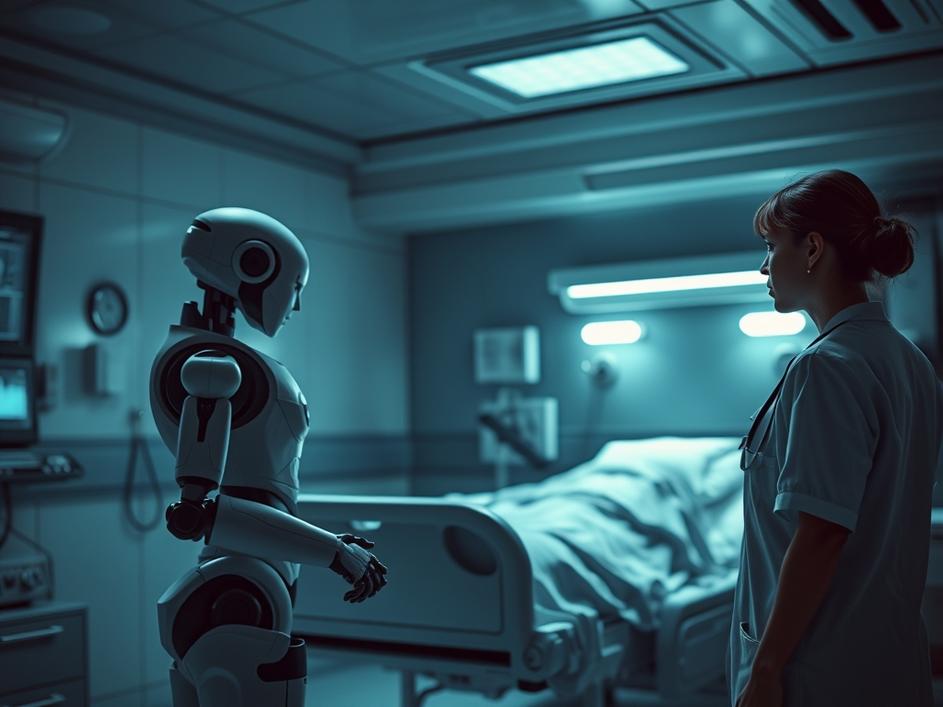
ToggleThe New York City hospital system is facing scrutiny following allegations that it has quietly introduced artificial intelligence tools into its daily operations. These tools, according to local nurses, are not just changing the landscape of their work, but also potentially jeopardizing patient well-being. The core concern revolves around the idea that AI, meant to assist, might actually be replacing human judgment and critical thinking in crucial medical scenarios.
Nursing leaders in the city have become increasingly vocal about their worries. They claim hospital administrators are pushing this AI technology without proper consultation or transparency. The fear is that these systems, designed to streamline processes, could lead to job losses and, more importantly, a decline in the quality of care. The nurses argue that the human element – empathy, intuition, and the ability to recognize subtle changes in a patient’s condition – is something that AI simply cannot replicate.
The introduction of AI into any industry inevitably sparks conversations about job security. In the healthcare sector, this concern is amplified by the direct link between staffing levels and patient safety. Nurses worry that hospitals, driven by cost-cutting measures, will use AI as an excuse to reduce staff, leaving remaining nurses overworked and patients with less individual attention. This creates a dangerous situation where critical errors are more likely to occur.
The issue goes beyond mere job displacement. There are serious ethical considerations when entrusting AI with medical decisions. Who is responsible when an AI makes a mistake? How do we ensure that patient data is protected and used ethically? These are complex questions that require careful consideration and open dialogue, something nurses argue is currently lacking.
AI offers undeniable potential to improve healthcare. It can analyze vast amounts of data to identify trends, predict outbreaks, and personalize treatment plans. AI-powered tools can also assist with administrative tasks, freeing up nurses and doctors to focus on direct patient care. However, the key is to implement these technologies responsibly and ethically. It’s about finding the right balance between leveraging AI’s capabilities and preserving the essential human elements of healthcare.
The current conflict in New York highlights the importance of transparency and collaboration when introducing AI into healthcare settings. Hospital administrators need to engage with nurses and other healthcare professionals, listen to their concerns, and address them proactively. Open communication, thorough training, and clear guidelines are essential to ensure that AI is used effectively and safely.
The ideal scenario is one where AI augments the capabilities of healthcare professionals, rather than replacing them. AI can be a powerful tool for analyzing data, identifying patterns, and automating routine tasks, but it should never replace the critical thinking, empathy, and human judgment that nurses and doctors bring to patient care. The focus should be on using AI to improve the efficiency and effectiveness of healthcare, while preserving the human connection that is so vital to patient well-being.
The situation in New York serves as a cautionary tale for hospitals and healthcare systems around the world. As AI technology continues to advance, it is crucial to prioritize patient safety, protect healthcare jobs, and ensure that ethical considerations are at the forefront of any implementation strategy. The future of healthcare depends on our ability to harness the power of AI responsibly and collaboratively, with the best interests of both patients and professionals in mind.



Comments are closed