

We are a digital agency helping businesses develop immersive, engaging, and user-focused web, app, and software solutions.
2310 Mira Vista Ave
Montrose, CA 91020

2500+ reviews based on client feedback
What's Included?
ToggleNamibia has just taken a major step forward in its technological development. Thanks to assistance from China, the country now possesses advanced satellite ground data receiving capabilities. This isn’t just about having fancy new equipment; it represents a significant opportunity for Namibia to harness the power of space technology for its own benefit. What does this mean for the average Namibian, and how will this technology be used?
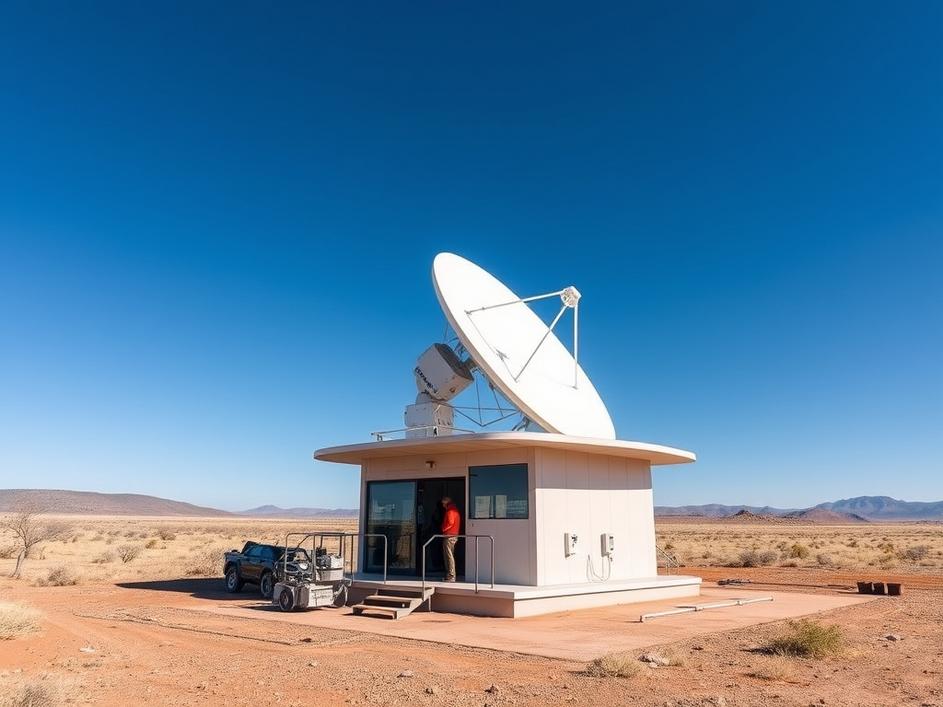
The China-Aided Satellite Ground Data Receiving Station is more than just a building full of computers. It’s a gateway to accessing and processing data collected by satellites orbiting the Earth. This data can be used for a wide range of applications, from environmental monitoring to urban planning. Essentially, Namibia now has the tools to ‘listen’ to what satellites are ‘saying’ about its territory and the surrounding regions. The handover signifies a deeper collaboration between China and Namibia, with China providing the infrastructure and training necessary for Namibian experts to operate and maintain the facility. But with collaboration comes questions of geopolitical advantage, and whether one party benefits more.
One of the most promising applications of this technology is in Earth observation. Satellites equipped with various sensors can provide detailed information about the Earth’s surface, including vegetation cover, water resources, and land use patterns. For a country like Namibia, which faces challenges related to drought, desertification, and resource management, this data can be invaluable. Imagine being able to monitor the health of crops in real-time, detect illegal deforestation activities, or track the movement of wildlife populations. This information can inform better decision-making and enable more effective conservation efforts.
But the benefits extend far beyond environmental monitoring. Satellite data can also be used for urban planning, infrastructure development, and disaster management. For example, high-resolution satellite imagery can help identify areas prone to flooding or landslides, allowing authorities to take proactive measures to mitigate risks. It can also be used to optimize transportation networks, plan the expansion of cities, and improve the delivery of public services. The possibilities are virtually endless. Additionally, having this technology on Namibian soil could spark innovation in local tech industries, as developers and entrepreneurs find new ways to use the data and technology. This can lead to new jobs, businesses, and opportunities for Namibians.
Furthermore, this new capability will give a significant boost to scientific research in Namibia. Local universities and research institutions will have access to a wealth of data that can be used to study a wide range of phenomena, from climate change to biodiversity loss. This will not only enhance the quality of research conducted in Namibia but also attract more international collaborations and funding opportunities. This will allow Namibia to be a more active participant in addressing global challenges. However, Namibia will need to invest in training the personnel and infrastructure to fully exploit the new facilities.
The provision of this technology from China also raises questions about geopolitical influence. As China expands its presence and investment in Africa, it is important for Namibia to navigate this relationship carefully, ensuring that its own interests are prioritized. While the benefits of the technology are clear, it is crucial to maintain a balanced and diversified approach to international partnerships. The dependency on one nation for essential technologies could create vulnerabilities in the future. Therefore, Namibia must ensure that it can maintain and upgrade the technology independently, reducing long-term reliance.
The handover of the satellite ground data receiving station marks a new chapter in Namibia’s development. This technology will not only enhance the country’s ability to manage its resources and address its challenges but also position it as a leader in space technology in the region. It’s a huge opportunity for Namibia to leverage this tech for economic, environmental, and scientific progress. It will be exciting to see the innovative applications that emerge as Namibian experts begin to harness the power of this new technology. The key will be to develop expertise, secure funding, and foster collaboration across different sectors of Namibian society.
To fully realize the potential of this technology, Namibia must invest heavily in education and training. It’s not enough to simply have the equipment; there needs to be a skilled workforce capable of operating, maintaining, and innovating with it. This means providing scholarships for students to study relevant fields, establishing training programs for technicians and engineers, and fostering a culture of innovation within the country. By investing in its people, Namibia can ensure that it is able to fully capitalize on this opportunity and become a true leader in space technology. By focusing on upskilling, Namibia can not only benefit from the technology transfer but also create lasting capabilities within its own population. This approach can facilitate long-term self-sufficiency and position Namibia as a competitive player in the global space technology sector.



Comments are closed