

We are a digital agency helping businesses develop immersive, engaging, and user-focused web, app, and software solutions.
2310 Mira Vista Ave
Montrose, CA 91020

2500+ reviews based on client feedback
What's Included?
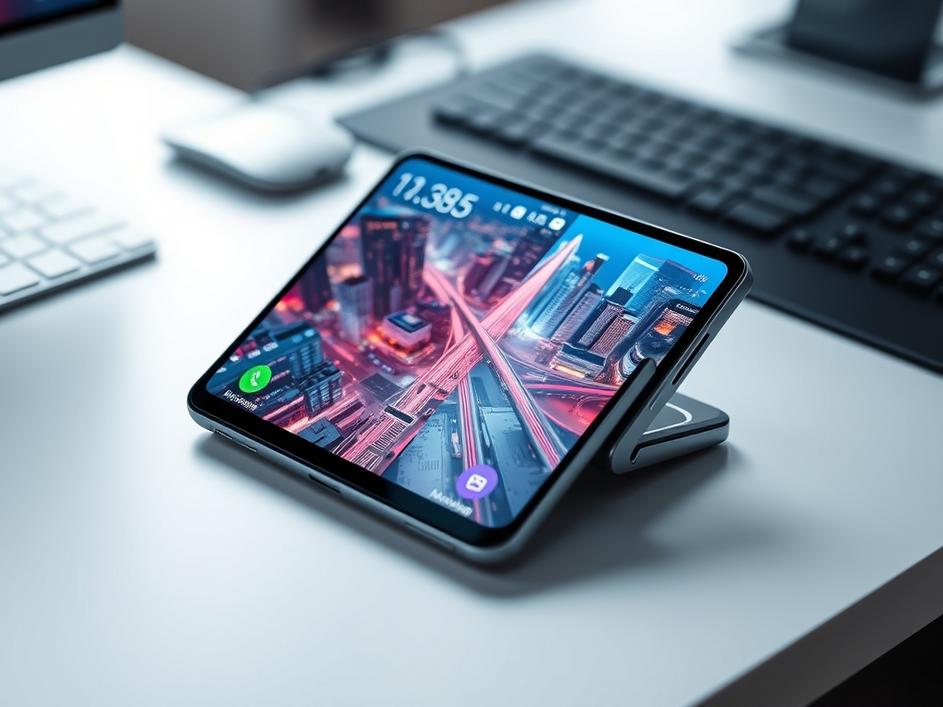
ToggleSamsung has officially thrown down the gauntlet, unveiling its first-ever multi-folding smartphone, the Galaxy Z TriFold. This isn’t just another incremental upgrade; it’s a complete rethinking of what a smartphone can be. In a market increasingly crowded with familiar designs, Samsung is betting big that its innovative folding tech will capture the imagination (and wallets) of consumers. The announcement comes at a crucial time, as competition from Chinese tech giants like Huawei intensifies, and even Apple is rumored to be exploring folding devices.
Details are still emerging, but the buzz around the Galaxy Z TriFold is undeniable. The phone is expected to boast a significantly larger screen when fully unfolded, potentially rivaling smaller tablets. This expanded screen real estate opens up a world of possibilities for multitasking, gaming, and consuming media. Imagine working on a document with multiple windows open, or watching a movie on a screen that feels truly immersive. The rumored specs also point to a top-of-the-line processor, enhanced camera capabilities, and of course, 5G connectivity. Samsung is clearly aiming to make the TriFold a premium device, justifying what will undoubtedly be a premium price tag.
The smartphone market is a battlefield, and Samsung is facing increasing pressure from all sides. Chinese brands like Huawei, Xiaomi, and Oppo are offering increasingly competitive devices at aggressive price points. These companies are not only catching up in terms of technology but are also innovating in areas like camera technology and battery life. Apple, while not currently in the folding phone race, continues to dominate the premium segment with its loyal customer base and iconic brand. Samsung’s TriFold is a clear attempt to differentiate itself from the pack, showcasing its technological prowess and pushing the boundaries of smartphone design. But will it be enough to fend off the competition?
Folding phones have been around for a few years now, but they haven’t exactly set the world on fire. Early models were plagued by issues like fragile screens and high prices. However, Samsung has steadily improved its folding technology, and the Galaxy Z Fold and Flip series have gained a dedicated following. The TriFold represents the next evolution of this technology, offering an even larger and more versatile display. But the question remains: do consumers really need a phone that folds multiple times? Is the added functionality worth the extra cost and potential durability concerns? Only time will tell if folding phones become mainstream or remain a niche product for tech enthusiasts.
Let’s be honest, the “wow” factor of a multi-folding phone is undeniable. It’s something new, something different, and something that’s sure to turn heads. But beyond the initial excitement, the success of the Galaxy Z TriFold will depend on its practicality and price. The phone needs to be durable enough to withstand daily use, and the folding mechanism needs to be reliable. More importantly, the software needs to be optimized for the larger and more flexible display. Apps need to scale properly, and multitasking features need to be intuitive and seamless. And then there’s the price. Folding phones are already expensive, and a multi-folding phone is likely to be even more so. Samsung needs to strike a balance between innovation and affordability if it wants the TriFold to appeal to a wider audience.
Hardware is only half the battle. The software experience on the Galaxy Z TriFold will be crucial to its success. Samsung needs to ensure that its One UI software is perfectly tailored to take advantage of the unique form factor. Multitasking needs to be intuitive, allowing users to seamlessly switch between apps and manage multiple windows. The camera software needs to be optimized for the different screen configurations, allowing users to take full advantage of the phone’s photography capabilities. And perhaps most importantly, Samsung needs to work with app developers to ensure that their apps are optimized for the folding display. A poorly optimized software experience could quickly turn the TriFold from a marvel of engineering into a frustrating user experience.
While Apple isn’t currently in the folding phone market, its presence looms large. The company’s loyal customer base and reputation for quality mean that any move Apple makes in this space would have a significant impact. Rumors have been circulating for years about Apple developing a folding device, and it’s only a matter of time before the company unveils its own take on the technology. When Apple does enter the market, it will likely do so with a polished and refined product that seamlessly integrates with its ecosystem. This could pose a significant challenge to Samsung, even with its head start in the folding phone space. The pressure is on Samsung to not only innovate but also to deliver a user experience that is compelling enough to sway potential Apple customers.
The Samsung Galaxy Z TriFold is more than just a new phone; it’s a glimpse into the future of mobile technology. It represents a bold vision of what smartphones can be, pushing the boundaries of design and functionality. While the success of the TriFold is far from guaranteed, it’s a clear sign that Samsung is committed to innovation and to staying ahead of the competition. Whether or not folding phones become the dominant form factor in the future remains to be seen, but one thing is certain: Samsung is determined to lead the way.


Comments are closed