

We are a digital agency helping businesses develop immersive, engaging, and user-focused web, app, and software solutions.
2310 Mira Vista Ave
Montrose, CA 91020

2500+ reviews based on client feedback
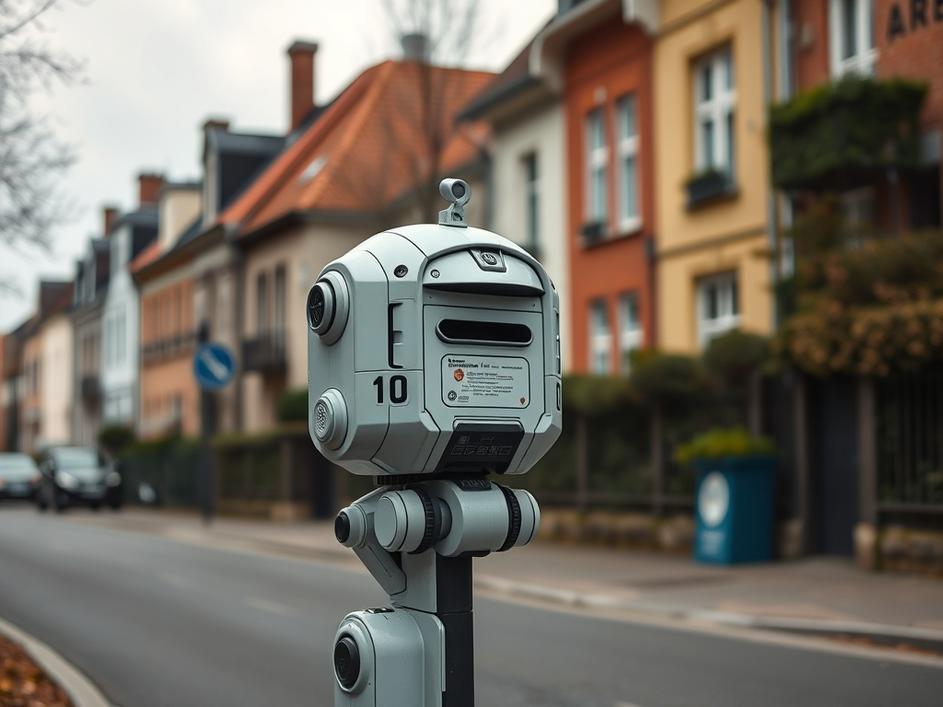
A strange image popped up on Facebook recently. It showed what appeared to be futuristic, robotic mailboxes in Germany. The claim? That Germany had replaced traditional mailboxes with these high-tech versions. It quickly spread, grabbing attention and sparking curiosity. But like many things online, it turned out to be too good (or too weird) to be true.
The image is fake. It was created by artificial intelligence. Accounts that generate these kinds of images are sometimes called ‘AI slop’ accounts, because they churn out content without regard for accuracy or truth. They exist to generate engagement, and unfortunately, sometimes that engagement comes from spreading misinformation. In this case, the AI dreamed up a concept and presented it as reality.
It’s easy to see why some people might have fallen for it, though. Germany is known for its engineering and technological advancements. The idea of them having advanced mail delivery systems isn’t completely out of the realm of possibility. Plus, the image itself probably looked pretty convincing at first glance. The details were plausible enough to trick people who didn’t look too closely or weren’t familiar with German infrastructure.
This incident highlights a growing problem: the spread of misinformation created by AI. As AI image generators become more sophisticated, it will become increasingly difficult to distinguish between real and fake images. This has serious implications for everything from politics to personal relationships. It can erode trust in institutions and make it harder to know what to believe.
So, how can you tell if an image is AI-generated? There are a few things to look for. First, check the source. Is it a reputable news outlet or an unknown account? Second, look closely at the details. AI-generated images often have inconsistencies or distortions that don’t make sense in the real world. Things like odd lighting, nonsensical text, or objects that are slightly ‘off’ can be red flags. Reverse image searching can also help to see if the image has appeared elsewhere with different claims or origins. Finally, be skeptical. If something seems too strange or outlandish, it’s probably worth investigating further before you share it.
Social media platforms also have a responsibility to combat the spread of AI-generated misinformation. They need to invest in tools and technologies that can detect fake images and videos. They also need to be more transparent about how they are addressing this problem. And they need to hold accounts that spread misinformation accountable. Relying solely on users to flag false information is not enough; proactive measures are essential.
As AI technology continues to advance, the challenge of distinguishing fact from fiction will only become more difficult. We need to develop new strategies for verifying information and educating people about the risks of misinformation. Media literacy is going to be an increasingly important skill in the digital age. It will require critical thinking skills, the ability to evaluate sources, and a healthy dose of skepticism. The responsibility falls on each of us to be more discerning consumers of online content.
The robotic mailbox story is a good reminder to be cautious about what you see online. Don’t believe everything you read or see, especially on social media. Take a moment to think critically about the information before you share it. Verify the source, look for inconsistencies, and be skeptical of claims that seem too good (or too weird) to be true. By being more informed and discerning, we can all help to combat the spread of misinformation and protect ourselves from being fooled.



Comments are closed