

We are a digital agency helping businesses develop immersive, engaging, and user-focused web, app, and software solutions.
2310 Mira Vista Ave
Montrose, CA 91020

2500+ reviews based on client feedback
What's Included?
ToggleIt used to be that only Spotify offered a super personalized year-end summary of your listening habits. Everyone looked forward to Spotify Wrapped. Now it feels like every app wants to tell you what you did with it for the past 365 days. Music apps were first, but the recap trend keeps expanding.
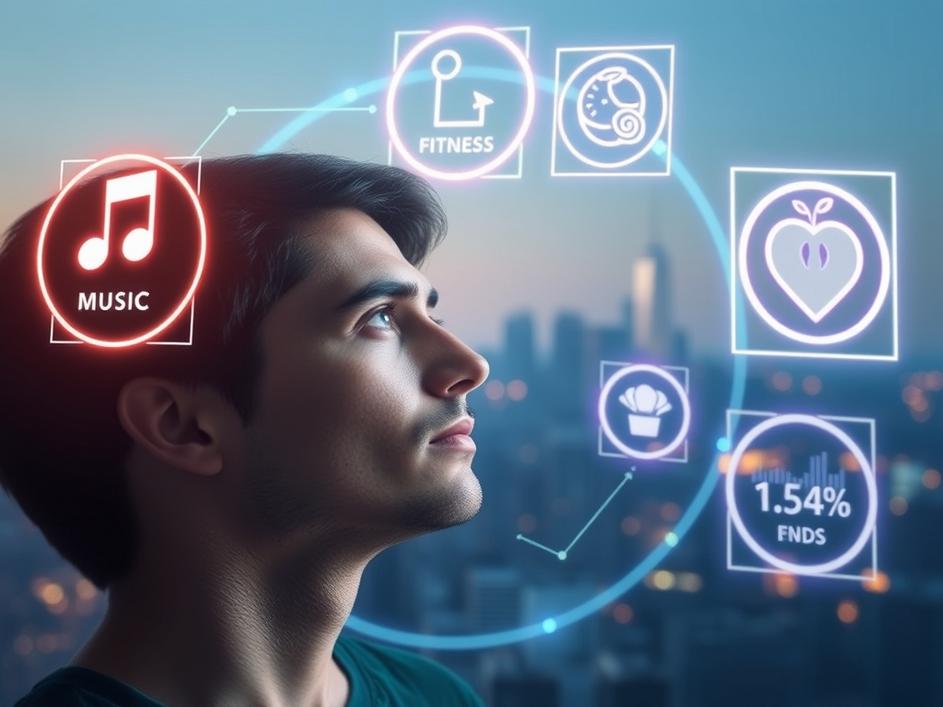
What started as a cool feature from Spotify has now become an expected end-of-year ritual. Apple Music, YouTube Music, Amazon Music, and Deezer all offer their own versions, each trying to put a unique spin on showing you your top songs, artists, and genres. But it doesn’t stop there. Think about it: you could see a personalized summary from your favorite fitness tracker, your go-to food delivery app, or even your preferred ride-sharing service. The possibilities are endless, and frankly, a little overwhelming.
The big question is, are we as users actually benefiting from these features as much as we used to? At first, Spotify Wrapped was amazing. It felt novel and exciting. Now, with so many apps vying for our attention with their own versions, it’s easy to feel like we’re drowning in data. Are we really gaining valuable insights, or are we just mindlessly scrolling through stats that don’t really mean anything to us?
There’s a reason why these recaps are so popular. They tap into our inherent desire for self-reflection and understanding. We like to see patterns in our behavior, and these annual summaries provide a convenient way to do just that. It’s like a digital time capsule, reminding us of what we were listening to, eating, or doing at different points throughout the year. And, let’s be honest, there’s a bit of ego involved, too. Sharing our Wrapped results on social media has become a way to curate our online persona and show the world what we’re into. We are what we listen to, right? Or at least, that’s what we want people to think.
To get real value from these recaps, we need to move beyond the hype and think critically about the data being presented. Instead of just passively consuming the information, ask yourself: What does this tell me about my habits? Are there any surprises? Are there any areas where I could improve? For example, if your fitness tracker shows that you’ve been consistently skipping workouts, that’s a valuable insight that can motivate you to make a change. Similarly, if your food delivery app reveals that you’ve been spending way too much money on takeout, it might be time to start cooking more meals at home. The key is to use these recaps as a tool for self-improvement, rather than just a source of entertainment.
Looking ahead, it’s likely that these annual recaps will only become more sophisticated and personalized. Imagine a future where your various app summaries are integrated into a single, comprehensive report that provides a holistic view of your life. This report could analyze your spending habits, your social interactions, your health data, and more, to offer personalized recommendations for improving your well-being. Of course, this raises important questions about data privacy and security. We need to be sure that our personal information is being protected and used responsibly. But if these challenges can be addressed, the potential benefits are enormous.
One potential downside of these personalized recaps is that they could reinforce existing biases and create echo chambers. If an app only shows you content that it knows you already like, you’re less likely to be exposed to new ideas and perspectives. This could lead to a narrowing of your interests and a reinforcement of your existing beliefs. To avoid this, it’s important to actively seek out diverse sources of information and challenge your own assumptions. Don’t just rely on your app recaps to tell you what you like – explore new things and discover new passions.
Ultimately, the value of these annual recaps depends on how we choose to use them. If we approach them with a critical eye and a desire for self-improvement, they can be a powerful tool for understanding ourselves and making positive changes in our lives. But if we simply treat them as a form of mindless entertainment, we’re missing out on a valuable opportunity. The choice is ours. Let’s take control of our data narrative and use it to create a better, more fulfilling life.



Comments are closed