Shifting Paradigms in Learning
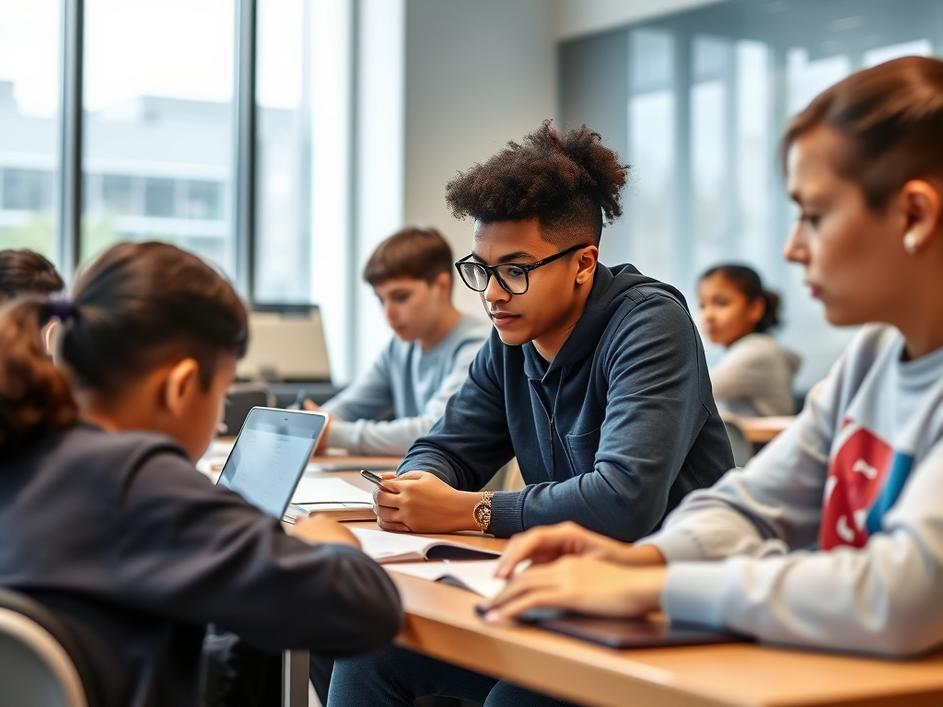
In recent months, the education sector has been buzzing with changes that challenge the traditional norms. Schools and universities are rethinking curricula, teaching styles, and the overall student experience. This evolution isn’t just about technology — it’s about understanding how students learn best and what prepares them for the future. As educators prioritize critical thinking and collaboration over rote memorization, we see a fresh emphasis on creativity and practical skills.
The Rise of Hybrid Learning
One of the most notable trends is the rise of hybrid learning. This approach combines in-person classes with online components, giving students more flexibility. It acknowledges that everyone learns differently and recognizes the importance of adapting teaching methods to suit varied learning styles. This change is especially relevant in today’s world where life can get hectic. Students can balance their studies with other responsibilities, and it opens the door for more personalized education.
Challenges That Come with Change
While these changes in education are promising, they don’t come without challenges. Not every student or teacher is comfortable with the shift to hybrid models or technology-focused learning. There are concerns about the digital divide — students from lower-income backgrounds may lack access to reliable internet or devices. This inequality can widen the gap in educational achievement and opportunities, making it crucial for policymakers and schools to address these disparities.
The Role of Emotional Intelligence
Another significant aspect of modern education is the increasing importance of emotional intelligence (EI). Educators are recognizing that social skills are just as important as academic performance. Schools are beginning to incorporate EI into curricula, teaching students how to manage their emotions and build healthy relationships. This doesn’t just make for a better learning environment; it prepares students for real-world interactions. Employers increasingly value EI in the workplace, so early exposure can set students up for success.
A Bright Future for Education
Looking ahead, the future of education seems promising. As more schools embrace innovative teaching methods, they create environments where learning is engaging and relevant. The focus on social-emotional learning, personalized education, and the integration of technology suggests that education is moving towards a more holistic approach. It’s not just about filling heads with facts; it’s about nurturing well-rounded individuals who are ready to thrive in a constantly changing world.





Comments are closed