

We are a digital agency helping businesses develop immersive, engaging, and user-focused web, app, and software solutions.
2310 Mira Vista Ave
Montrose, CA 91020

2500+ reviews based on client feedback
What's Included?
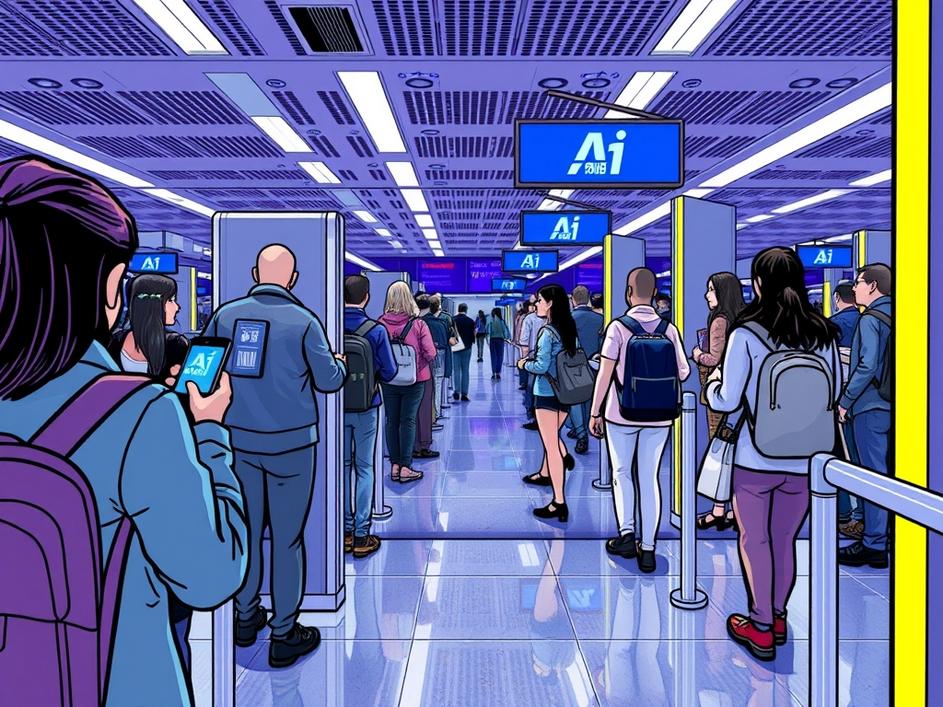
ToggleLately, the internet’s been ablaze with talk about digital IDs becoming a requirement for travel. The idea that you might soon need a digital version of your passport or driver’s license to board a plane or cross a border has sparked a lot of discussion and, understandably, some concern. This isn’t just idle chatter; the move towards digital identification has been gaining momentum for a while now, with various pilot programs and initiatives popping up around the globe. So, what’s really going on, and what does it mean for the future of travel?
Several factors are pushing this digital shift. One major reason is security. Digital IDs, theoretically, can be more secure than physical documents. They can incorporate biometric data, like facial recognition or fingerprints, making them harder to forge or steal. And, the digital verification process can be faster and more reliable, reducing bottlenecks at airports and border crossings. Another driver is convenience. Imagine not having to fumble for your passport every time you go through security. A digital ID on your phone or another device could streamline the entire process, saving time and hassle. There’s also the potential for integration with other services, like booking flights or hotels, making travel planning more seamless.
The exact implementation of digital IDs for travel is still evolving, and different countries may adopt different approaches. However, the basic concept involves creating a secure digital version of your identity document. This could be stored on your smartphone, a dedicated chip, or even in a cloud-based system. When you need to verify your identity, you would simply present your digital ID, which could then be scanned or accessed electronically by authorities. The system would then verify your identity against official records, ensuring that you are who you claim to be. Some systems might also incorporate additional security features, such as one-time passwords or biometric authentication.
Of course, the move to digital IDs isn’t without its challenges and concerns. One of the biggest is privacy. Storing sensitive personal information digitally raises questions about data security and the potential for misuse. How can we ensure that this data is protected from hackers and unauthorized access? What safeguards are in place to prevent governments or corporations from tracking our movements or collecting data on our travel habits? Another concern is accessibility. What about people who don’t have smartphones or who lack the technical skills to use digital IDs? Will they be left behind? There’s also the issue of standardization. If different countries adopt different digital ID systems, it could create confusion and complexity for international travelers. Interoperability is crucial to ensure that digital IDs are recognized and accepted across borders.
I think the move towards digital IDs for travel is inevitable. The potential benefits in terms of security, convenience, and efficiency are simply too great to ignore. However, it’s crucial that we address the concerns and challenges before widespread adoption. We need robust data protection measures, clear guidelines on data usage, and safeguards to protect privacy. We also need to ensure that digital IDs are accessible to everyone, regardless of their technical skills or access to technology. This might involve providing alternative options for those who can’t or don’t want to use smartphones, such as smart cards or biometric kiosks. And, international cooperation is essential to ensure that digital ID systems are interoperable and that travelers can seamlessly use their IDs across borders. The discussions and collaborations are definitely ongoing, and are essential for future travel.
One worry I have is the possibility of creating a two-tiered travel system. Will those with digital IDs experience faster, smoother journeys while those without are relegated to longer lines and more scrutiny? It’s crucial that any digital ID system is designed to be inclusive and doesn’t discriminate against individuals who choose not to participate. There should always be a viable alternative for those who prefer to use traditional forms of identification. Failing to address these equity concerns could lead to resentment and further division.
Let’s not forget the potential for abuse. A centralized digital ID system could, in theory, be used to track and control citizens’ movements. While the stated intention is to improve security and convenience, the technology could be repurposed for less benign purposes. It’s important to have strong legal frameworks in place to prevent such abuses and ensure that digital IDs are used responsibly and ethically. Transparency and accountability are key to maintaining public trust.
The move towards digital IDs for travel is a complex issue with both significant opportunities and potential risks. While the promise of increased security, convenience, and efficiency is appealing, it’s essential that we proceed with caution. We need to address the concerns about privacy, accessibility, and the potential for abuse before widespread adoption. Only by doing so can we ensure that digital IDs truly benefit everyone and don’t create a more divided and controlled world. I think we need to discuss and find a balance between technological innovation and individual rights, ensuring that the future of travel is both secure and inclusive. The shift to digital IDs has to be transparent and inclusive for all, or we risk creating a system that serves only a select few.


Comments are closed