

We are a digital agency helping businesses develop immersive, engaging, and user-focused web, app, and software solutions.
2310 Mira Vista Ave
Montrose, CA 91020

2500+ reviews based on client feedback
What's Included?
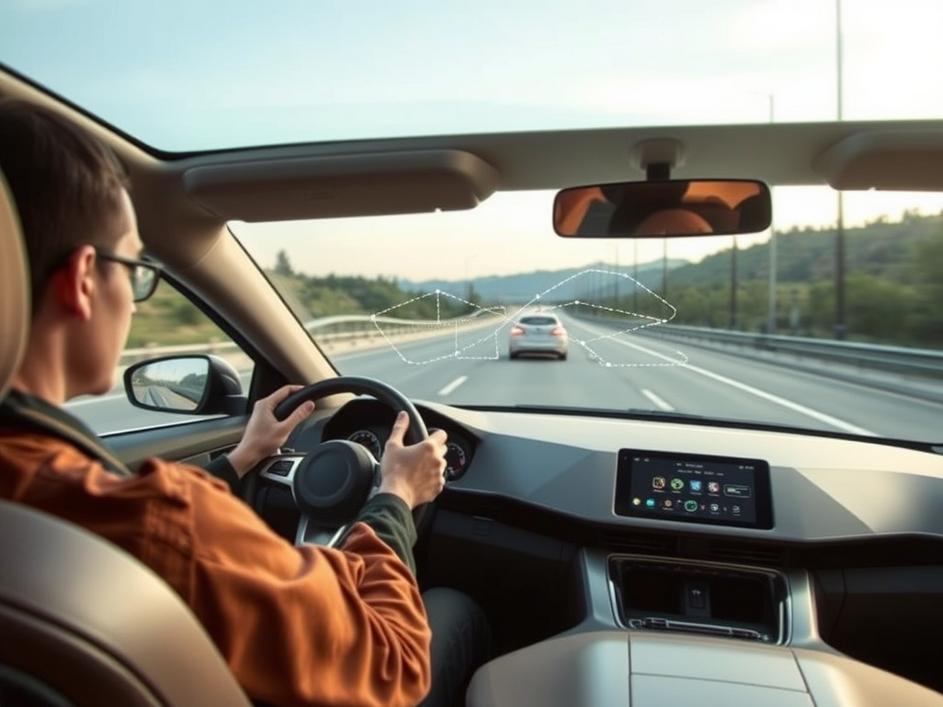
ToggleElon Musk recently announced a shift in Tesla’s Full Self-Driving (FSD) system. The updated software will allow drivers to use their phones in certain situations. This is a notable change, as FSD previously demanded drivers maintain unwavering attention to the road. The specifics of these “certain situations” are still a bit vague, but the implication is clear: Tesla is aiming for a more relaxed driving experience, even with FSD engaged.
The idea of glancing at your phone while your car navigates traffic is undeniably appealing. For many, the promise of autonomous driving is about reclaiming time and reducing the stress of commuting. Imagine responding to a quick text, checking a map, or even browsing social media during a long highway drive. It’s easy to see why this change is generating excitement among Tesla owners and those considering purchasing a Tesla.
However, this relaxation raises significant safety concerns. Even with advanced driver-assistance systems, the potential for unexpected situations remains. A sudden lane change, a pedestrian darting into the street, or a malfunctioning sensor could all require immediate human intervention. If a driver is distracted by their phone, their reaction time will inevitably be slower, potentially leading to accidents. Furthermore, the legality of using a phone while FSD is active is a complex issue that varies by jurisdiction. Many places have strict laws against distracted driving, regardless of whether a car is technically “self-driving.” The lines between driver responsibility and system capability are getting blurry.
One way to think about this change is to compare it to a cautious, but somewhat helpful, “grandpa” behind the wheel. He might mostly steer correctly, but you still need to keep an eye on him in case he gets confused by a complicated intersection or forgets to check his blind spot. With this new Tesla FSD update, it’s almost like grandpa is saying, “Okay, I’ve got this stretch of road, go ahead and check your messages quickly.” The problem is, you still need to be prepared to grab the wheel. But will you be if you’re engrossed in a text message thread?
Tesla’s approach to self-driving has always been somewhat controversial. They favor rapid iteration and real-world testing, even if it means pushing the boundaries of what’s considered safe. While some see this as a necessary step towards achieving full autonomy, others argue that it’s reckless and puts public safety at risk. This latest change reflects that philosophy: a willingness to push the envelope, even if it means operating in a legal and ethical gray area. There’s a definite risk in assuming that a system is reliable enough to allow for distractions. It’s also difficult to determine the exact threshold of when phone use is acceptable and when it’s not. A quick glance at a notification might be harmless, but a lengthy email exchange could be disastrous.
It’s likely that Tesla will use data collected from this change to further refine its FSD system. By monitoring driver behavior and system performance, they can identify situations where phone use is relatively safe and situations where it’s more dangerous. This data-driven approach could eventually lead to a more sophisticated system that can dynamically adjust its behavior based on driver attentiveness. In theory, FSD could detect when a driver is distracted and issue warnings or even disengage the system entirely. However, that level of sophistication is still years away.
Ultimately, the responsibility for safe driving still rests with the driver. Even with FSD engaged, drivers must remain vigilant and prepared to take control of the vehicle. While the temptation to use a phone may be strong, it’s crucial to prioritize safety above all else. The consequences of a distracted driving accident can be devastating, and no amount of convenience is worth risking lives. This change in FSD policy serves as a reminder that self-driving technology is still in its early stages and that human oversight remains essential.
While the potential for misuse is undeniable, this move from Tesla could also be seen as a measured step towards a more practical and user-friendly autonomous driving experience. If implemented responsibly, with clear guidelines and robust safety mechanisms, it could pave the way for a future where driving is less stressful and more productive. However, until the technology is truly foolproof, drivers must exercise caution and prioritize safety above all else.
Comments are closed