

We are a digital agency helping businesses develop immersive, engaging, and user-focused web, app, and software solutions.
2310 Mira Vista Ave
Montrose, CA 91020

2500+ reviews based on client feedback
What's Included?
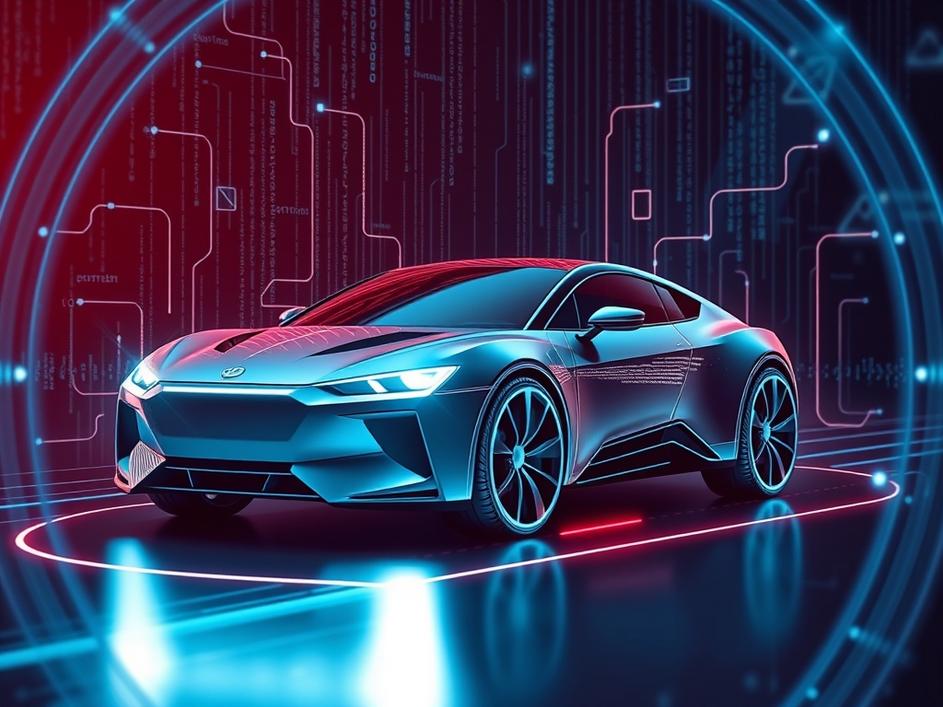
ToggleWe’re living in an age where cars are becoming increasingly connected. They’re not just modes of transportation anymore; they’re rolling computers. This connectivity brings a ton of convenience – think navigation, entertainment, and even remote diagnostics. But with all this digital integration comes a serious concern: security. Our cars are now vulnerable to cyberattacks, and that’s driving a surge in demand for connected car security solutions.
A recent report from MarketsandMarkets™ projects the connected car security market to nearly double in size, jumping from $3.37 billion in 2025 to a whopping $6.99 billion by 2032. That’s a significant increase, and it tells us a lot about where the automotive industry is headed. People are realizing that protecting their connected cars is not optional, it’s essential.
So, what are the specific threats we’re talking about? Hackers can potentially gain control of various vehicle functions, from the entertainment system to critical components like the brakes or engine. Imagine someone remotely disabling your car’s brakes while you’re driving down the highway. It’s a terrifying thought, and it highlights the importance of robust security measures. Other threats include data breaches, where personal information stored in the car’s systems is stolen, and ransomware attacks that lock down vehicle functions until a ransom is paid.
The connected car security market includes a variety of players. Software companies are developing intrusion detection systems, firewalls, and encryption technologies specifically designed for automotive environments. Hardware manufacturers are building more secure components and communication modules into vehicles. And cybersecurity firms are offering consulting services and threat intelligence to help automakers and car owners stay ahead of potential attacks. There are also specialized companies focusing on over-the-air (OTA) update security, ensuring that software updates, which are essential for patching vulnerabilities, are delivered securely and haven’t been tampered with.
Several factors are driving this market growth. First, there’s simply the increasing number of connected cars on the road. As more vehicles become equipped with internet connectivity, the potential attack surface expands. Second, regulations are playing a role. Governments are starting to mandate certain security standards for connected vehicles, pushing automakers to invest in security solutions. For example, the European Union’s cybersecurity regulations are becoming stricter and impact car manufacturers worldwide. Third, consumer awareness is growing. People are becoming more aware of the risks associated with connected car technology, and they’re demanding better security from automakers. No one wants their car to be a gateway for hackers into their personal lives.
It’s important to remember that connected car security isn’t just about the car itself. It’s about the entire ecosystem surrounding the vehicle. This includes the backend servers that manage vehicle data, the mobile apps that drivers use to interact with their cars, and the communication networks that connect everything together. A weakness in any of these areas could be exploited to compromise the security of the car.
While new cars are increasingly being built with security in mind, what about older vehicles? The good news is that there are aftermarket security solutions available for older cars. These can include things like security dongles that plug into the OBD-II port or software updates that add security features to the existing infotainment system. However, the level of security provided by these aftermarket solutions may not be as comprehensive as what’s built into newer vehicles.
Looking ahead, connected car security will continue to be a major focus for the automotive industry. We can expect to see even more sophisticated security technologies being developed, including artificial intelligence-powered threat detection systems and blockchain-based security solutions. Automakers will also need to work closely with cybersecurity experts to stay ahead of the ever-evolving threat landscape. Securing our increasingly connected vehicles is a race that will never truly be won, but it’s a race we must continue to fight.
The growth of the connected car security market isn’t just a trend; it’s a necessary investment. As our cars become more integrated into our digital lives, protecting them from cyberattacks is crucial. The projected growth to nearly $7 billion by 2032 demonstrates the seriousness with which the industry and consumers are taking this issue. It’s not just about preventing theft or inconvenience; it’s about ensuring the safety and privacy of drivers and passengers in an increasingly connected world. And the steps being taken today lay the foundation for a much safer, secure, and convenient driving experience tomorrow.


Comments are closed