

We are a digital agency helping businesses develop immersive, engaging, and user-focused web, app, and software solutions.
2310 Mira Vista Ave
Montrose, CA 91020

2500+ reviews based on client feedback
What's Included?
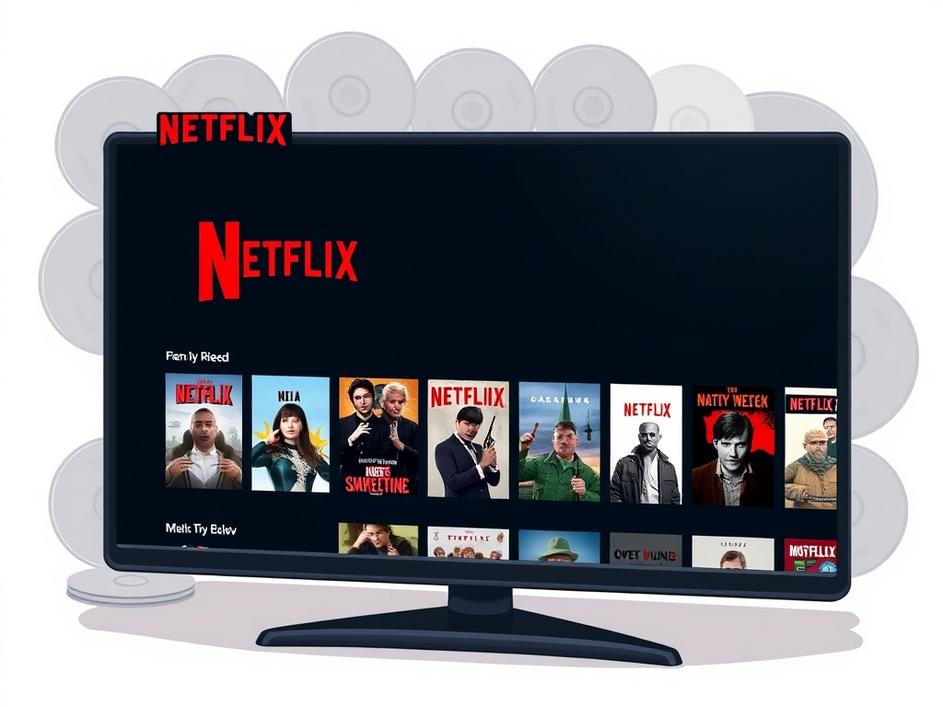
ToggleBefore binge-watching became a national pastime, Netflix started with a simple idea: mailing DVDs. In 1997, Reed Hastings and Marc Randolph envisioned a world where people could rent movies without late fees and without leaving their homes. This was a time when Blockbuster reigned supreme, and the idea of disrupting their brick-and-mortar empire seemed like a long shot. Netflix launched their DVD-by-mail service and began to grow slowly, building a loyal customer base who loved the convenience. They focused on personalized recommendations, a feature that set them apart and kept people coming back for more.
The real turning point came in 2007 when Netflix introduced streaming. At the time, internet speeds were still relatively slow, and many doubted the viability of online movie delivery. It was a gamble, but Hastings and his team saw the future. They understood that the internet was changing everything, and they wanted to be at the forefront of that change. The initial streaming library was limited, but Netflix continued to invest in technology and content, steadily building its streaming platform.
Netflix wasn’t content with just licensing existing movies and TV shows. They realized that to truly dominate the market, they needed to create their own original content. In 2013, they released “House of Cards,” their first major original series. It was a critical and commercial success, proving that Netflix could compete with traditional Hollywood studios. This marked a major shift in the industry, as other streaming services soon followed suit, investing heavily in original programming. Netflix continued to produce hit after hit, from “Orange Is the New Black” to “Stranger Things,” becoming a content powerhouse. These original shows made them a must-have service, cementing their place in the entertainment landscape.
Netflix didn’t limit itself to the United States. They had ambitions to become a global streaming service, and they pursued that goal aggressively. They expanded to Canada, Latin America, Europe, and Asia, adapting their content to local markets and languages. This global expansion was a key driver of their growth, as they tapped into new audiences and subscriber bases around the world. They invested in international productions, creating shows like “Dark” (Germany) and “Money Heist” (Spain), which became global sensations. Their ability to understand and cater to diverse cultures has been essential to their success.
Netflix’s success has not gone unnoticed. Traditional media companies like Disney, Warner Bros., and NBCUniversal have launched their own streaming services, creating a crowded and competitive market. The “streaming wars” are in full swing, with each service vying for subscribers and market share. This increased competition has put pressure on Netflix to continue innovating and producing high-quality content to stay ahead of the curve. They face challenges from all sides, but they also have the advantage of being the first mover and having a vast subscriber base. Their future success will depend on their ability to adapt to the changing landscape and continue to deliver value to their subscribers.
Netflix’s impact extends beyond just entertainment. It has changed the way people consume media, shifting from scheduled TV to on-demand viewing. It has also given a platform to diverse voices and stories that might not have been heard otherwise. The company’s influence on culture is undeniable. It’s also experimenting with gaming, interactive content, and other new technologies, trying to stay ahead of the curve and ensure they remain relevant in a rapidly changing world. This ongoing evolution is crucial for their long-term survival.
Netflix’s journey has been nothing short of remarkable. From a small DVD-by-mail service to a global streaming giant, it has disrupted the entertainment industry and changed the way we watch movies and TV shows. But the future is uncertain. The streaming landscape is becoming increasingly competitive, and Netflix faces challenges from all sides. To remain successful, they will need to continue innovating, producing high-quality content, and adapting to the changing needs of their subscribers. They also need to be mindful of pricing and the overall value they provide. It’s a whole new ballgame, and only time will tell if they can maintain their dominance.
Netflix’s story is more than just a business success. It’s a story about innovation, vision, and the power of the internet to transform industries. They took a risk, challenged the status quo, and rewrote the rules of entertainment. Their impact will be felt for years to come. Whether they continue to dominate the streaming world or face new challenges, their legacy as a pioneer in the digital age is secure. They proved that a small startup with a big idea can change the world.



Comments are closed