

We are a digital agency helping businesses develop immersive, engaging, and user-focused web, app, and software solutions.
2310 Mira Vista Ave
Montrose, CA 91020

2500+ reviews based on client feedback
What's Included?
ToggleWe live in a world deeply reliant on power and internet connectivity. It’s how we work, communicate, and entertain ourselves. Think about a typical day: checking emails, streaming videos, paying bills online. Now, imagine all of that suddenly gone. A prolonged power outage or internet shutdown could disrupt our lives in ways many of us haven’t fully considered. This isn’t just about inconvenience; it’s about preparedness for potential disruptions that could affect access to essential services and resources.
While the idea of a complete shutdown might seem far-fetched to some, it’s crucial to recognize that disruptions, whether caused by natural disasters, cyberattacks, or infrastructure failures, are a real possibility. We’ve seen extreme weather events knock out power for extended periods, and cybersecurity threats are constantly evolving. It is prudent to consider the vulnerabilities inherent in our dependence on these systems and take proactive steps.
One of the most important steps you can take is to secure a backup power source. A generator is a great option for powering essential appliances like refrigerators, freezers, and medical equipment. Solar generators are becoming increasingly popular too, especially when paired with solar panels, because they offer a renewable energy source. A smaller, portable power station can keep phones and other small devices charged. Blackouts can happen anytime, so it’s better to have these ahead of time. Remember to test your backup power regularly and have a plan for fuel storage if you are using a gas generator. Prioritize the things you need to keep running.
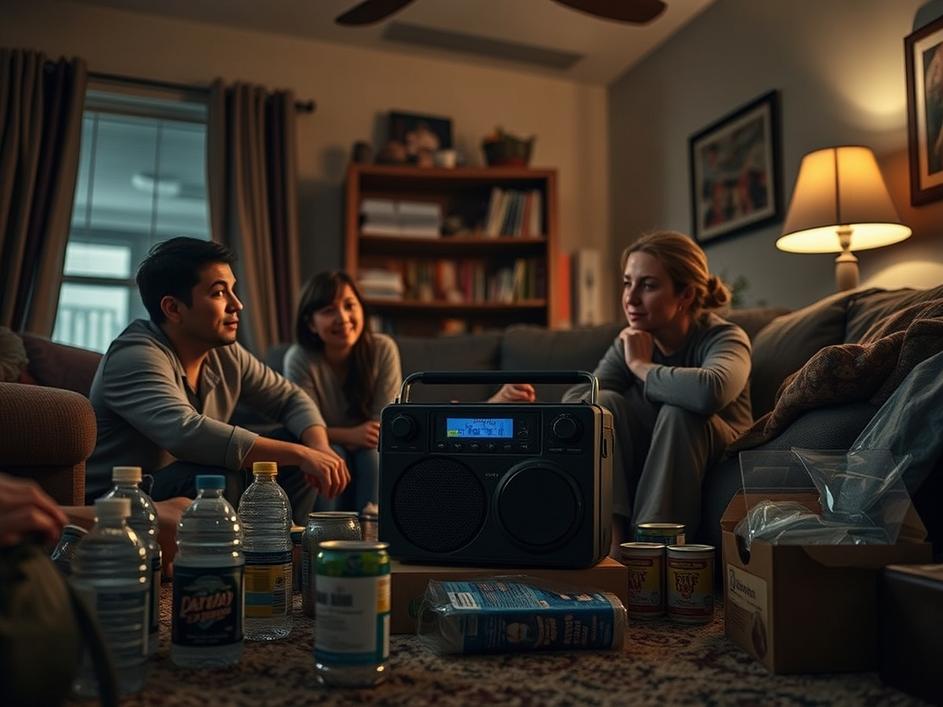
Losing internet access can be isolating, especially if you rely on it for communication. Having alternative communication methods is vital. Consider a battery-powered or hand-cranked radio to receive emergency broadcasts. Establish a communication plan with family and friends, including meeting points and contact information. Explore satellite communication devices for areas with limited or no cell service. Old-fashioned maps are also a very good idea when GPS and online maps don’t work.
Beyond power and communication, it’s crucial to have a supply of essential items on hand. This includes non-perishable food, water, first-aid supplies, medications, and hygiene products. It’s a good idea to have at least a two-week supply of these items. Consider items like manual can openers, flashlights, blankets, and tools. Having physical cash is also a good idea, as electronic transactions might not be possible during an outage. Regularly check and rotate your supplies to ensure they are fresh and functional.
Preparedness is about more than just accumulating supplies; it’s also about developing practical skills. Learn basic first aid, CPR, and how to use a fire extinguisher. Familiarize yourself with basic home repairs and maintenance. Practice cooking without electricity. Consider gardening to grow some of your own food. The more self-sufficient you are, the better you will be able to handle unexpected situations.
In a world where our lives are increasingly online, it’s important to protect your digital data. Back up important files to an external hard drive or cloud storage. Use strong passwords and enable two-factor authentication. Be wary of phishing scams and other online threats. Consider using a password manager to securely store your passwords. Educate yourself about cybersecurity best practices.
Preparedness is not just an individual responsibility; it’s also a community effort. Connect with your neighbors and share resources and skills. Participate in community emergency preparedness programs. Support local organizations that provide disaster relief. Working together, we can build more resilient communities that are better able to weather any storm.
Finally, it’s important to cultivate mental resilience. Unexpected situations can be stressful and overwhelming. Practice stress-reduction techniques such as meditation or deep breathing. Develop a positive attitude and focus on what you can control. Remember that you are not alone, and that there are people who care about you and want to help. Staying calm and collected will allow you to think clearly and make sound decisions.
Preparing for potential outages is an investment in your peace of mind. It’s about taking proactive steps to protect yourself, your family, and your community. By building a foundation of essential supplies, developing practical skills, and fostering community connections, you can face the future with greater confidence and resilience. Don’t wait until it’s too late. Start preparing now.


Comments are closed