

We are a digital agency helping businesses develop immersive, engaging, and user-focused web, app, and software solutions.
2310 Mira Vista Ave
Montrose, CA 91020

2500+ reviews based on client feedback
What's Included?
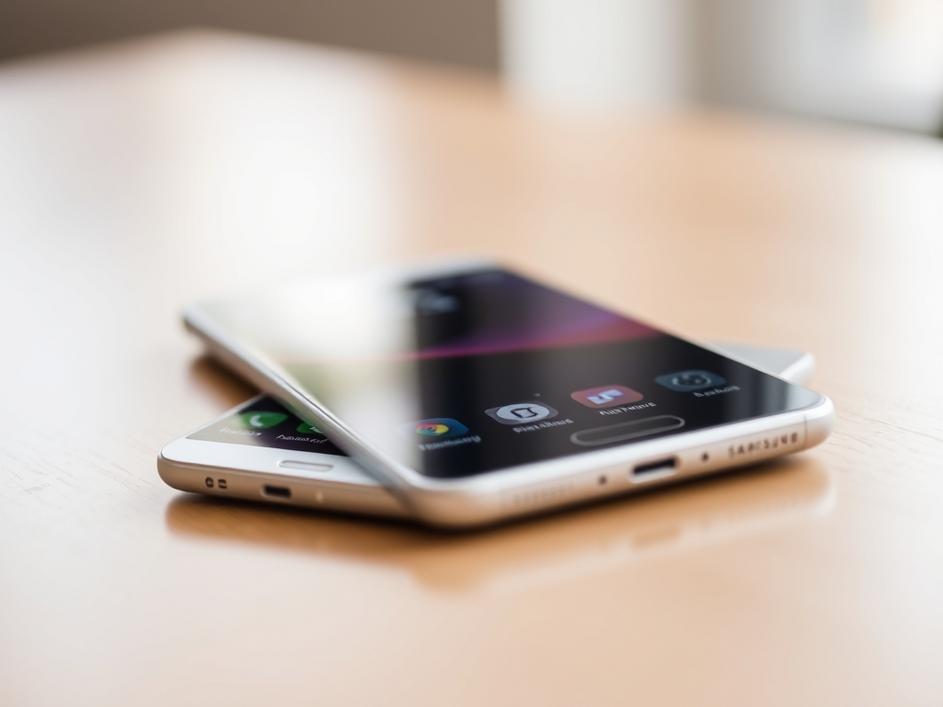
ToggleIt’s funny how quickly technology moves. Today, we’re used to massive phone screens, but there was a time when a phone with a display over 5 inches was considered enormous. The Samsung Galaxy Mega, released in 2013, was one of those devices. It wasn’t a flagship, but it made a statement simply by existing. It was a big phone, literally. And it carved out a niche for people who wanted a tablet-like experience in a device that could still (sort of) fit in their pocket.
Samsung actually released a couple of different versions of the Galaxy Mega. There was the Galaxy Mega 5.8 (GT-I9152) and the Galaxy Mega 6.3 (GT-I9200). As the names suggest, the primary difference was screen size. Both were aimed at the mid-range market, offering a larger display than most phones at the time, but without the top-tier specs and price tag of something like a Galaxy S4. This made them accessible to a wider audience who valued screen real estate above all else. It was a smart move by Samsung, recognizing that not everyone needed or could afford the latest and greatest flagship.
The Galaxy Mega wasn’t about pushing the boundaries of processing power or camera technology. It was about delivering a large-screen experience at a reasonable price. The specs were decent for the time, but nothing to write home about. It had a dual-core processor (depending on the model), 1.5GB of RAM, and an 8-megapixel camera. It ran Android Jelly Bean, which, while not the newest version, was stable and functional. The software experience was typical Samsung, with their custom TouchWiz interface layered on top. Some loved it, some hated it, but it was undeniably Samsung.
So, why should we care about a mid-range phone from 2013? Because the Galaxy Mega foreshadowed the future of smartphones. It demonstrated that there was a market for larger screens. It paved the way for the phablets and plus-sized phones that are now commonplace. While it wasn’t the first large-screen phone, it was one of the first to gain mainstream attention. It showed other manufacturers that people were willing to sacrifice portability for a more immersive viewing experience. And let’s be honest, that larger screen was great for watching videos, browsing the web, and playing games.
The Galaxy Mega might not be a phone that people remember with great fondness or nostalgia. It wasn’t a groundbreaking device in terms of innovation. However, it played an important role in the evolution of smartphones. It helped to normalize larger screens and demonstrated that there was a demand for devices that blurred the line between phones and tablets. It was a bold move by Samsung, and it ultimately paid off. We might not be using Galaxy Megas today, but we’re all using phones that are, in part, a product of its existence. It’s a reminder that even mid-range devices can have a lasting impact on the tech landscape. The Galaxy Mega was a stepping stone, a necessary experiment on the path to the large-screen phones we now take for granted.
Today, a working Galaxy Mega might be something of a collector’s item. It represents a specific point in smartphone history, a time before bezelless displays and pocket-sized supercomputers. Finding one in good condition could be a fun project for a tech enthusiast or someone interested in the history of mobile devices. It’s a piece of the past that you can hold in your hand, a reminder of how far we’ve come in a relatively short amount of time.
The Samsung Galaxy Mega was a unique phone for its time. It wasn’t the fastest, the prettiest, or the most feature-packed, but it was big. And that bigness mattered. It changed the way we thought about smartphones and helped to shape the devices we use today. So, the next time you’re using your giant-screen phone, take a moment to remember the Galaxy Mega, the mid-range giant that paved the way.

Comments are closed