A Shift in the Economic Landscape
As we navigate through the complexities of a post-pandemic world, it’s clear that our economy is undergoing significant changes. Inflation rates are climbing, supply chains are still recovering, and the job market is shifting in unexpected ways. These factors not only impact businesses but also affect our daily lives—our shopping habits, spending power, and even our outlook on future financial stability. Understanding these trends can help us make informed decisions about our personal finances.
The Inflation Dilemma
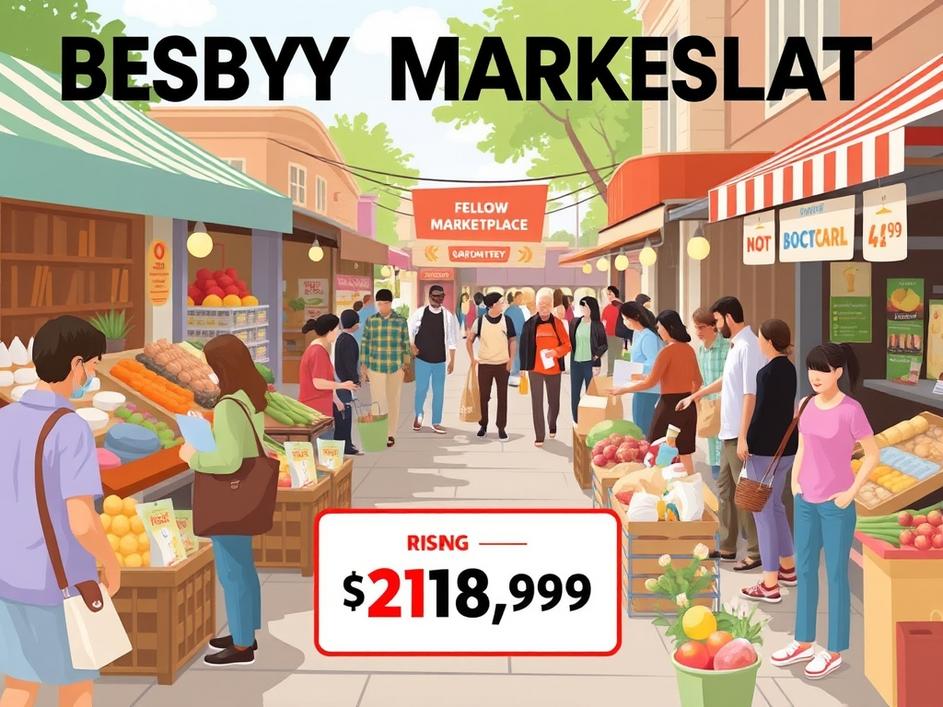
Inflation has become a hot topic lately, and for good reason. Prices for everyday goods are rising, which can feel overwhelming at the grocery store or while fueling your car. Many people are concerned about how far their paycheck stretches each month. It’s easy to feel like you’re working harder for less. This situation forces us to reassess our budgets, prioritize spending, and even think about our long-term financial goals. How do we cope with rising prices while still trying to save for the future?
Adapting to New Job Market Realities
The job market is another area showing shifts that directly impact our lives. The increase in remote work opportunities has changed the way many people view their careers. While some enjoy the flexibility, others worry about job security. Industries are evolving, and certain skills are becoming more valuable. People are questioning whether their current roles will remain stable or if they should adapt to learn new skills. The choice to retrain or upskill can shape not just our careers but our financial futures as well.
The Ripple Effect on Consumers
These economic changes don’t just impact individuals—they ripple out to families and communities. For those on fixed incomes, like retirees, the increase in living costs can be especially tough. Young families are feeling the pinch, too, as daycare costs and housing prices rise. It’s essential to remain aware of how these shifts can affect the people around us. Community resources may be stretched thin, and many are in need of support. This is where local initiatives and social programs can play a significant role in helping those who might be struggling the most.
Looking Ahead: Financial Literacy and Personal Growth
As we deal with these economic realities, the importance of financial literacy cannot be overstated. Understanding how to navigate budgets, investments, and savings can empower individuals to take control of their finances. Resources—both online and in-person—are becoming more available, making it easier for people to learn. Investing time in education, even in small amounts, can lead to more security and better decision-making. As we look forward, staying informed and proactive in our financial planning will help us weather these economic storms together.





Comments are closed