

We are a digital agency helping businesses develop immersive, engaging, and user-focused web, app, and software solutions.
2310 Mira Vista Ave
Montrose, CA 91020

2500+ reviews based on client feedback
What's Included?
ToggleNeurological diagnosis can seem like navigating a dense forest. It involves carefully assessing a patient’s physical and functional abilities to pinpoint the source of their neurological issues. This isn’t just about identifying a problem; it’s about understanding how that problem affects a person’s life. Think of it as detective work, where each test and observation provides another clue to solve the medical puzzle. The complexity arises from the interconnected nature of the nervous system, where a small disruption in one area can have wide-ranging effects elsewhere.
A presentation like “Physical and Functional Diagnosis Neuro Demo Case Assessment” often serves as an introduction to these diagnostic methods. While downloading such resources can be a helpful starting point, truly grasping the principles requires more than just passively consuming information. It demands active learning, critical thinking, and practical application. The demo case likely showcases a specific scenario, demonstrating how clinicians approach a particular neurological problem. But it’s important to remember that every patient is unique, and their symptoms may present in countless different ways. This is why a deep understanding of the underlying principles is essential for effective diagnosis and treatment.
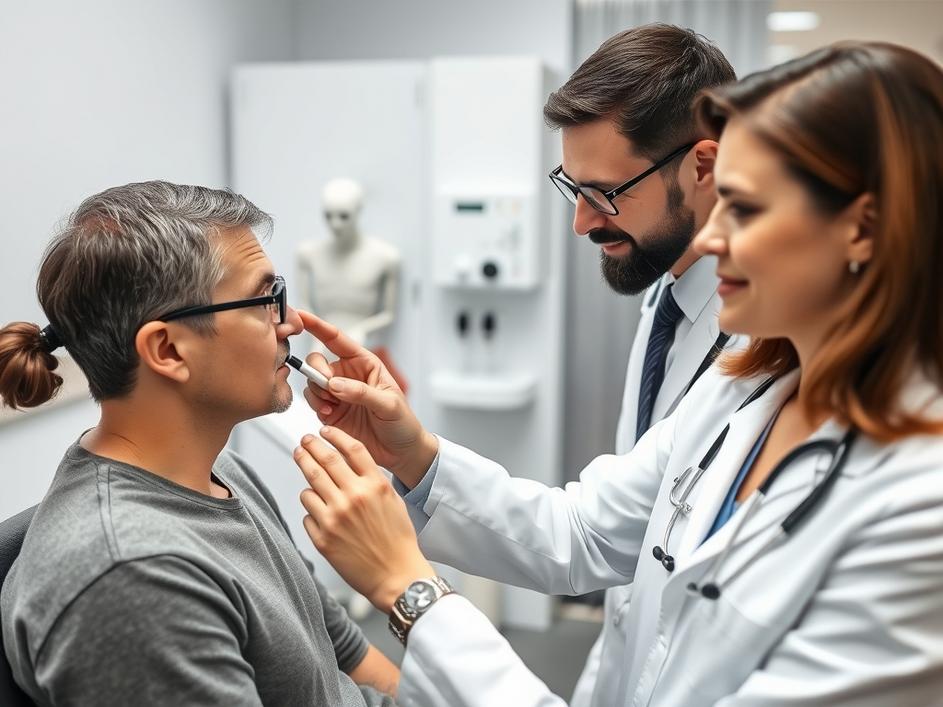
The physical examination forms the cornerstone of any neurological assessment. It involves systematically evaluating various aspects of motor function, sensory perception, reflexes, and coordination. Observing how a patient walks, tests their muscle strength, and assesses their ability to feel sensations are all crucial components. But it’s not just about identifying deficits; it’s about understanding the patterns of these deficits. For example, weakness on one side of the body might suggest a stroke, while difficulty with balance and coordination could point to a cerebellar issue. Functional assessments, on the other hand, evaluate how these physical impairments impact a person’s daily life. Can they dress themselves? Can they prepare a meal? Can they navigate their home safely? These functional abilities provide valuable insight into the severity of the neurological condition and its impact on the patient’s quality of life.
Technology has transformed neurological diagnosis and treatment in recent years. Neuroimaging techniques like MRI and CT scans provide detailed views of the brain and spinal cord, allowing clinicians to visualize structural abnormalities such as tumors, strokes, and multiple sclerosis plaques. Electrophysiological studies, such as EEG and EMG, can assess the electrical activity of the brain and nerves, helping to diagnose conditions like epilepsy and neuropathy. And advances in genetic testing are allowing us to identify specific genetic mutations that contribute to neurological disorders. However, it’s important to remember that technology is just a tool. It should be used to complement, not replace, the physical and functional examinations. The human element – the clinician’s ability to listen to the patient, observe their symptoms, and synthesize the information – remains essential for accurate diagnosis and effective treatment planning.
Ultimately, the goal of neurological assessment is to improve the patient’s quality of life. This requires a holistic approach that considers not only the physical and functional impairments but also the emotional, social, and psychological aspects of the condition. Neurological disorders can have a profound impact on a person’s mental health, leading to anxiety, depression, and social isolation. Therefore, treatment plans should address these issues as well, through supportive therapy, counseling, and social support groups. By taking a holistic approach, clinicians can help patients navigate the challenges of their neurological condition and live as full and meaningful lives as possible. Understanding the patient’s perspective and their needs is paramount, as each journey through neurological diagnosis is unique and personal.
The field of neurology is constantly evolving, with new discoveries and technological advancements emerging all the time. Therefore, continuous learning and adaptation are essential for clinicians to stay up-to-date and provide the best possible care for their patients. Attending conferences, reading research articles, and participating in continuing education programs are all important ways to expand knowledge and refine skills. And as technology continues to advance, it’s crucial to embrace new tools and techniques while maintaining a focus on the human element of patient care. By embracing continuous learning and adaptation, neurologists can help to unlock the mysteries of the brain and improve the lives of those affected by neurological disorders.


Comments are closed