

We are a digital agency helping businesses develop immersive, engaging, and user-focused web, app, and software solutions.
2310 Mira Vista Ave
Montrose, CA 91020

2500+ reviews based on client feedback
What's Included?
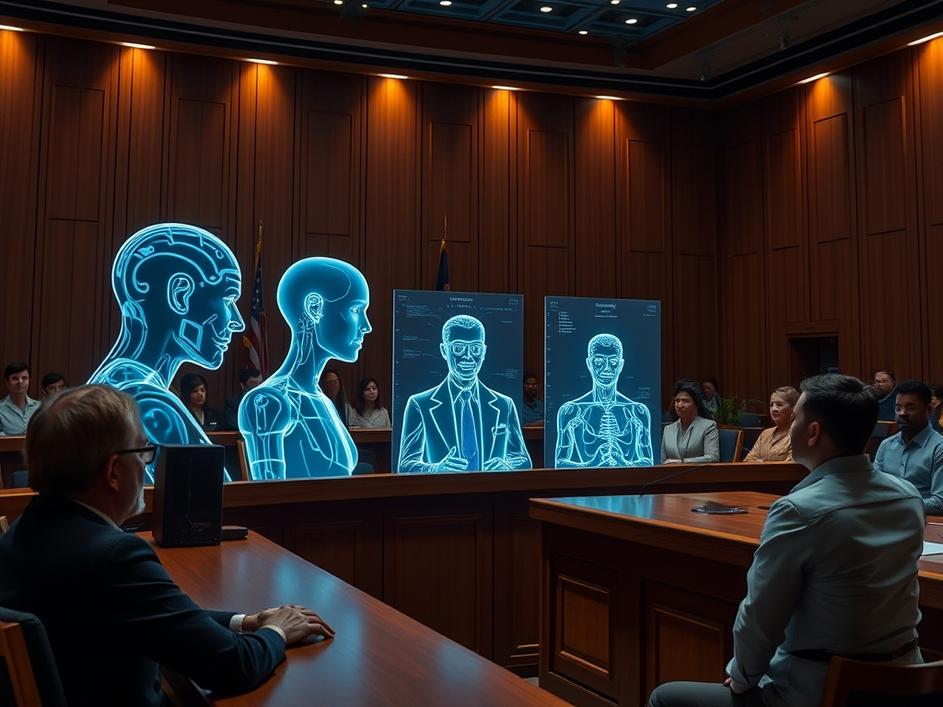
ToggleArtificial intelligence is rapidly changing many aspects of our lives, and mental healthcare is no exception. We’re seeing the rise of AI-powered therapists, chatbots designed to offer emotional support, and apps that analyze our moods. While these tools offer convenience and accessibility, they also raise some serious questions: What happens when AI gets it wrong, and can companies be held liable for the mental health consequences? This is the question that many legal experts are now grappling with, and it seems AI companies are gearing up for a fight.
One of the first lines of defense we’re likely to see from AI developers is shifting the blame to the user. They might argue that the AI was misused, or that the user didn’t follow instructions. Think of it like this: If someone takes too much of a medication and suffers harm, the drug company isn’t automatically liable. They might argue that the AI was only intended to be a supplementary tool, not a replacement for traditional therapy, and that users were warned about its limitations. It’s a classic strategy: minimize their responsibility by highlighting user error. And depending on how the AI is marketed and the disclaimers provided, this could be a valid argument.
Another strategy is to emphasize the AI’s role as simply a tool, not a healthcare professional. AI companies may argue that their product doesn’t provide diagnoses or treatment plans, but rather offers information or support. This is a subtle but important distinction. By positioning the AI as a neutral platform, they can argue that they aren’t subject to the same standards of care as a licensed therapist or psychiatrist. The argument is essentially, “We’re not giving medical advice, so we can’t be held liable for bad outcomes.” This will likely involve carefully worded terms of service and disclaimers.
AI models learn from the data they are fed, and mental health data is incredibly sensitive. Companies might argue that overly strict regulations or legal liabilities could stifle innovation and limit access to potentially helpful tools. They may claim that requiring extensive safety testing or certifications would make it too expensive to develop and deploy AI mental health solutions, ultimately harming those who need them most. It’s a free-speech argument wrapped in a healthcare concern: “We need to be able to experiment and iterate, even if there are some risks, because the potential benefits are so great.”
AI, especially advanced neural networks, can be incredibly complex. Sometimes, even the developers don’t fully understand why an AI made a particular decision. This lack of transparency, often referred to as the ‘black box’ problem, could be used as a defense. AI companies might argue that they can’t be held liable for outcomes they couldn’t have foreseen or prevented because the AI’s decision-making process is too opaque. The legal system will face a significant challenge in determining liability when the technology itself is difficult to understand. This obscurity presents an opportunity for companies to deflect blame.
One of the biggest challenges for plaintiffs in these cases will be proving that the AI directly caused the mental health harm they suffered. Mental health issues are often complex and have multiple contributing factors. It can be difficult to isolate the AI’s role and demonstrate that it was the primary cause of the negative outcome. For example, someone using an AI chatbot for depression might experience a worsening of their symptoms, but it could be due to a variety of factors, such as job loss, relationship problems, or underlying medical conditions. Proving a direct causal link between the AI and the harm will be a major hurdle.
The legal battles surrounding AI and mental health are just beginning. As AI becomes more integrated into our lives, we need to carefully consider the ethical and legal implications. While AI offers tremendous potential to improve access to mental healthcare, it also poses risks that must be addressed. The courts will play a crucial role in defining the boundaries of liability and ensuring that AI companies are held accountable for the harm their products may cause. It’s a complex issue with no easy answers, but it’s one that we must confront to ensure that AI benefits society as a whole.
Ultimately, these lawsuits will force a reckoning. They will push AI developers to be more transparent about their algorithms, invest in more rigorous testing, and develop clear ethical guidelines. It will also force a broader societal conversation about the role of AI in our lives, the limits of technology, and the importance of human connection. This is a debate we need to have, and the sooner it starts, the better.



Comments are closed