

We are a digital agency helping businesses develop immersive, engaging, and user-focused web, app, and software solutions.
2310 Mira Vista Ave
Montrose, CA 91020

2500+ reviews based on client feedback
What's Included?
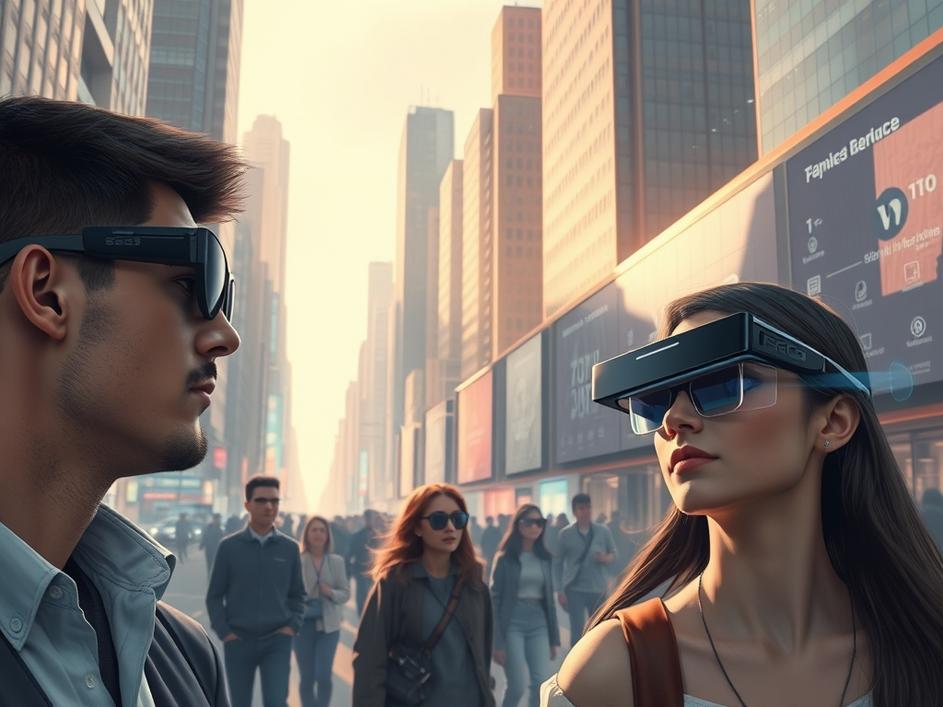
ToggleGoogle Glass. The name alone conjures images of futuristic tech, of a world where information is overlaid onto our reality. When Google unveiled Glass back in 2013, it wasn’t just a product; it was a statement. It promised a glimpse into a future where technology seamlessly integrated into our lives, enhancing our perception and capabilities. It was exciting, bold, and, as it turned out, deeply flawed. The idea of smart glasses, however, was compelling. Imagine having directions appear right in front of your eyes while navigating a new city, or instantly accessing information about a landmark simply by looking at it. The potential was enormous, and Google, with its vast resources and innovative spirit, was poised to make it a reality.
But the road to technological utopia is often paved with good intentions and, in this case, a hefty price tag. The initial Explorer Edition of Google Glass cost a whopping $1,500, instantly placing it out of reach for the average consumer. This high price point, coupled with the device’s somewhat clunky design, immediately created a sense of exclusivity and, frankly, a bit of ridicule. The early adopters, often referred to as “Glassholes,” became easy targets for criticism, their expensive gadgets seen as a symbol of tech elitism. And beyond the price and the social awkwardness, there were genuine concerns about privacy. The ability to record video discreetly raised alarm bells about surveillance and the potential for misuse. Restaurants and bars started banning Google Glass, fearing that their patrons would be secretly filmed. The technology, it seemed, had outpaced the social norms and ethical considerations surrounding it.
So, what went wrong? Google’s biggest misstep was arguably its focus on features over genuine user needs. While Glass could take photos, record videos, and display notifications, it didn’t really solve any pressing problems for most people. It felt like a solution in search of a problem, a gadget designed to impress rather than to truly improve daily life. And the user interface, controlled by head movements and voice commands, was often clunky and unreliable. Interacting with Glass felt unnatural and cumbersome, a far cry from the seamless integration that Google had promised. Furthermore, the battery life was abysmal, barely lasting a few hours with moderate use. This limited functionality further hampered the device’s appeal, making it difficult to justify the high cost and social stigma.
Despite its shortcomings, Google Glass wasn’t a complete failure. It served as a valuable learning experience, highlighting the challenges and pitfalls of bringing augmented reality technology to the mass market. Google’s willingness to experiment, even if it resulted in a public flop, paved the way for future innovations in wearable technology. The lessons learned from Glass have informed the development of other smart glasses and AR devices, leading to more refined designs, more practical applications, and a greater awareness of privacy concerns. Today, several companies like Meta and Apple are working hard on VR headsets and/or smart glasses, hoping that they can make these devices appeal to regular people.
The dream of smart glasses is far from dead. While Google Glass may have stumbled, it ignited a spark of curiosity and set the stage for future innovation. As technology continues to evolve, and as the cost of components decreases, we can expect to see more sophisticated and user-friendly smart glasses emerge. These future devices will likely focus on specific use cases, such as providing real-time information for workers in manufacturing or healthcare, or enhancing the training experience for athletes. They will also prioritize privacy and security, incorporating features that protect user data and prevent unauthorized access. And perhaps most importantly, they will be designed with aesthetics in mind, creating devices that are not only functional but also stylish and socially acceptable. The future of smart glasses is bright, but it’s a future built on the lessons learned from the rise and fall of Google Glass.
Following the consumer version’s demise, Google pivoted, refocusing Glass on enterprise applications. This move proved to be surprisingly successful. In warehouses, factories, and hospitals, Glass Enterprise Edition found a niche, providing workers with hands-free access to information and streamlining workflows. Doctors could consult patient records during surgery, mechanics could access repair manuals while working on engines, and warehouse workers could quickly locate items without having to fumble with handheld scanners. In these specialized settings, the benefits of Glass outweighed its drawbacks, demonstrating the potential of AR technology to improve efficiency and productivity. This enterprise success story highlights the importance of finding the right market and tailoring technology to meet specific needs.
One of the biggest shadows cast by Google Glass was the spotlight it shone on privacy concerns. The ability to record video discreetly, without obvious indicators, raised alarms about potential surveillance and the erosion of personal privacy. This concern remains a significant hurdle for any smart glasses or AR device seeking mainstream adoption. Future devices will need to address these concerns head-on, incorporating features that ensure transparency and protect user data. This might include visual indicators that clearly signal when recording is in progress, as well as robust encryption and data security measures. Building trust and addressing privacy concerns will be crucial for the long-term success of smart glasses.
Google Glass may not have revolutionized the world as initially envisioned, but it served as a crucial stepping stone in the evolution of augmented reality technology. It taught us valuable lessons about design, usability, privacy, and the importance of addressing real-world needs. While the consumer version of Glass may be a distant memory, its legacy lives on in the ongoing development of smart glasses and AR devices. As these technologies continue to mature, we can expect to see them play an increasingly important role in our lives, transforming the way we work, learn, and interact with the world around us. The future is still uncertain, but one thing is clear: Google Glass, for all its flaws, helped to pave the way.
Comments are closed