

We are a digital agency helping businesses develop immersive, engaging, and user-focused web, app, and software solutions.
2310 Mira Vista Ave
Montrose, CA 91020

2500+ reviews based on client feedback
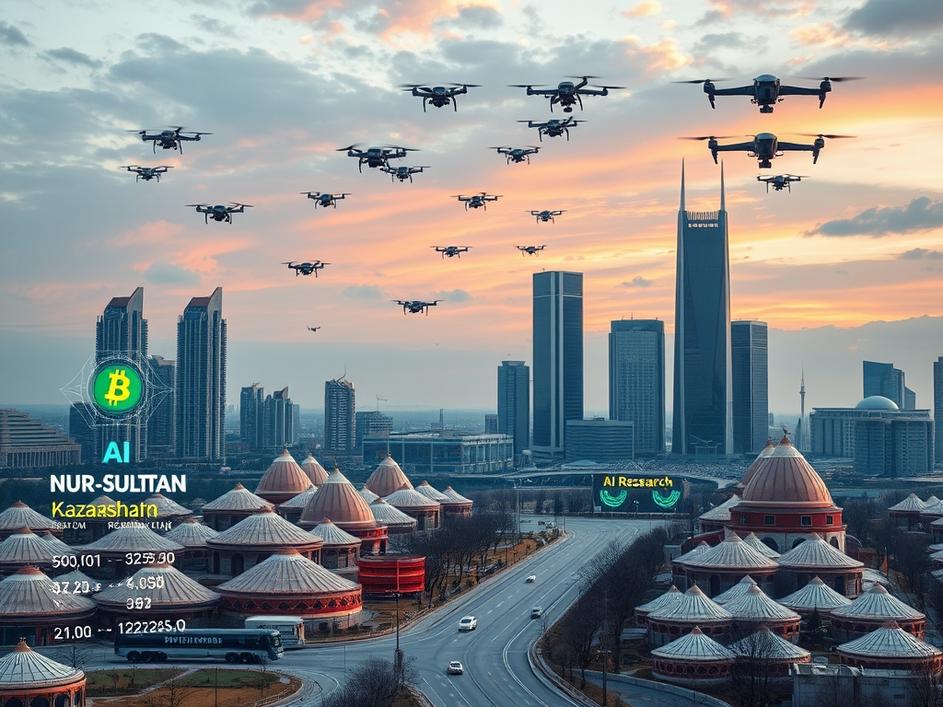
Kazakhstan, a country often associated with vast steppes and, perhaps unfairly, Borat, is quietly making a play to become a Central Asian tech hub. It’s a surprising move, but the nation is investing heavily in areas like cryptocurrency and artificial intelligence, hoping to diversify its economy and attract foreign investment. This isn’t just about jumping on the bandwagon; it’s a calculated effort to carve out a niche in the rapidly evolving global tech landscape.
One of the key pillars of Kazakhstan’s tech strategy is cryptocurrency. The country initially attracted a wave of crypto miners, drawn by cheap electricity. However, the government quickly realized the need for regulation to prevent illicit activities and ensure the stability of the energy grid. They’re now working on creating a legal framework for crypto mining and trading, aiming to strike a balance between fostering innovation and mitigating risks. This approach signals a long-term commitment to the sector, hoping to attract legitimate businesses and investors.
Beyond crypto, Kazakhstan is also exploring the potential of artificial intelligence. The government is investing in education and training programs to develop a skilled workforce capable of working with AI technologies. They’re also looking at ways to use AI to improve public services, such as healthcare and education. The focus seems to be on practical applications of AI that can directly benefit the country’s citizens. This forward-thinking approach could position Kazakhstan as a regional leader in AI adoption.
Of course, Kazakhstan’s tech transformation isn’t without its challenges. The country needs to overcome issues like bureaucratic hurdles, corruption, and a relatively underdeveloped infrastructure. Attracting and retaining talent will also be crucial. However, the potential rewards are significant. A successful tech sector could create new jobs, boost economic growth, and improve the quality of life for Kazakh citizens. It’s a high-stakes game, but Kazakhstan seems determined to play.
Kazakhstan’s location in Central Asia gives it a unique geopolitical advantage. It borders both Russia and China, two major players in the global tech arena. This allows Kazakhstan to potentially serve as a bridge between these two markets, attracting investment and facilitating trade. However, it also presents certain challenges, as Kazakhstan needs to navigate the complex geopolitical landscape and maintain its independence. The success of its tech ambitions may very well hinge on its ability to balance these competing interests.
For years, Kazakhstan’s economy has been heavily reliant on its natural resources, particularly oil and gas. However, the government recognizes the need to diversify the economy and reduce its dependence on fossil fuels. Investing in technology is seen as a way to achieve this goal, creating new industries and sources of revenue. This shift represents a fundamental change in Kazakhstan’s economic strategy, moving away from a resource-based model towards a more knowledge-based economy.
The success of Kazakhstan’s tech ambitions ultimately depends on its people. The government is investing in education and training programs to develop a skilled workforce capable of working in the tech sector. This includes initiatives to promote STEM education, support entrepreneurship, and attract foreign talent. Building a strong human capital base is essential for creating a sustainable tech ecosystem.
Kazakhstan’s tech bet is a bold and ambitious one. While there are certainly challenges ahead, the country’s commitment to investing in crypto, AI, and education suggests a serious effort to transform its economy. Whether it will succeed remains to be seen, but the potential rewards are significant. With strategic investments and a focus on practical applications, Kazakhstan could very well emerge as a surprising tech player in Central Asia, and potentially even on the global stage. The next few years will be crucial in determining whether this quiet revolution can truly take hold.



Comments are closed