

We are a digital agency helping businesses develop immersive, engaging, and user-focused web, app, and software solutions.
2310 Mira Vista Ave
Montrose, CA 91020

2500+ reviews based on client feedback
What's Included?
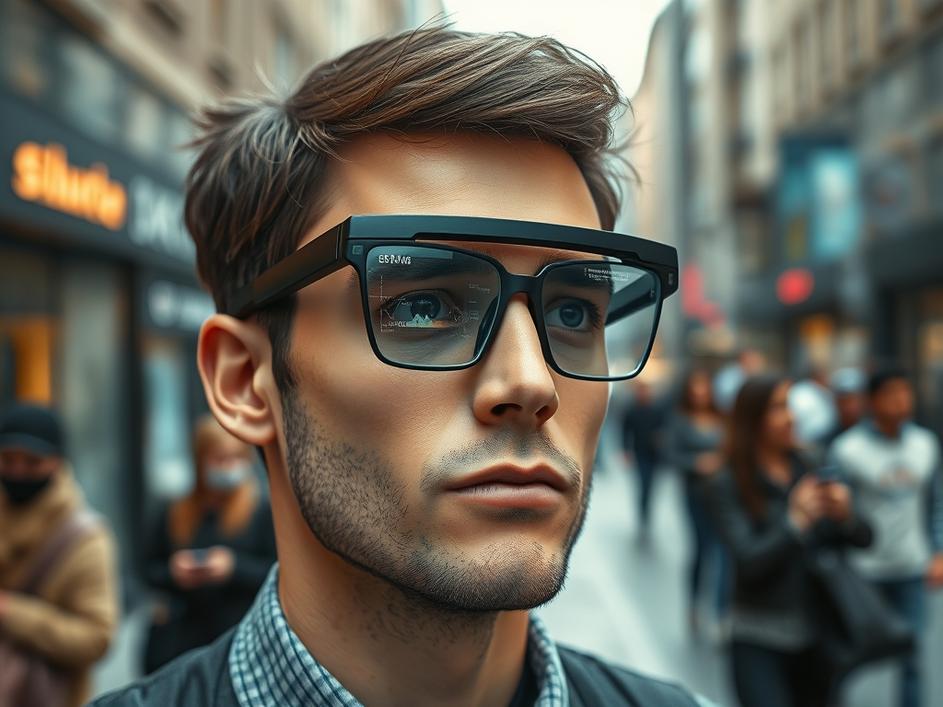
ToggleThe tech world is buzzing about Google’s rumored foray into AI-powered glasses, slated for a potential release in 2026. It feels like we’ve been here before, doesn’t it? Remember Google Glass? The initial concept was exciting, but it fizzled out due to high costs, clunky design, and significant privacy concerns. Now, Google is apparently ready to try again, armed with the power of artificial intelligence. But this time, will it be different? Will they be able to navigate the challenges that plagued their previous attempt and create something genuinely useful and desirable? Only time will tell, but the prospect is intriguing, to say the least.
Details are scarce, as expected with any product still years away from launch. However, the rumors suggest that these glasses will go beyond simple notifications and hands-free navigation. The core feature, naturally, will be AI integration. Imagine glasses that can translate languages in real-time, provide contextual information about your surroundings, or even offer suggestions based on your personal preferences. We are talking about subtle access to information, almost like having an invisible assistant whispering in your ear. The potential applications are vast, ranging from improved productivity to enhanced accessibility for people with disabilities. Of course, all of this hinges on Google nailing the user experience and addressing the inevitable privacy concerns.
Let’s be real: The biggest hurdle for any AI-powered wearable device is privacy. The idea of a company like Google constantly collecting data about what you see and hear is understandably unsettling. How will Google ensure that this data is anonymized and protected? What safeguards will be in place to prevent misuse or unauthorized access? These are critical questions that need to be answered transparently and convincingly. If Google fails to address these concerns, it risks repeating the mistakes of the past and alienating potential customers. No matter how advanced the technology is, people won’t adopt it if they don’t trust it.
Putting aside the privacy worries for a moment, let’s consider some potential real-world applications. Imagine a surgeon using these glasses to access patient data hands-free during a critical operation, or an architect overlaying building plans onto a construction site in real-time. Consider a tourist instantly translating a foreign language menu, or a mechanic receiving step-by-step repair instructions directly in their field of vision. The possibilities are seemingly endless. These glasses could potentially empower professionals, enhance everyday life, and bridge communication barriers. However, it’s crucial to remember that these are just hypothetical scenarios. The actual utility of the glasses will depend on their design, functionality, and affordability.
One of the biggest criticisms of the original Google Glass was its clunky and unappealing design. No one wants to wear something that makes them look like a cyborg reject. If Google wants these new AI glasses to succeed, they need to prioritize aesthetics. The glasses need to be lightweight, comfortable, and stylish enough that people will actually want to wear them. Furthermore, the user interface needs to be intuitive and easy to navigate. No one wants to fumble with complicated menus or struggle to activate features. The design needs to seamlessly integrate form and function, creating a device that is both aesthetically pleasing and practically useful.
Google isn’t the only company exploring the potential of AI-powered wearables. Apple, Meta, and other tech giants are also investing heavily in augmented reality and virtual reality technologies. The competition is fierce, and the race to develop the next breakthrough device is on. This competition is good for consumers, as it drives innovation and pushes companies to create better products. However, it also means that Google needs to bring its A-game if it wants to stand out from the crowd. They need to offer something truly unique and compelling that sets their glasses apart from the competition.
Google’s AI glasses have the potential to be a game-changer, but only if the company can overcome the challenges of privacy, design, and functionality. It’s easy to get caught up in the hype, but it’s important to remain grounded and realistic. The technology is promising, but it’s still in its early stages. We need to see concrete details about the glasses’ features, pricing, and privacy protections before we can truly assess their potential. Until then, a cautious optimism is warranted. The future of wearable technology is uncertain, but one thing is clear: Google is betting big on AI-powered glasses. It remains to be seen whether that bet will pay off.



Comments are closed