

We are a digital agency helping businesses develop immersive, engaging, and user-focused web, app, and software solutions.
2310 Mira Vista Ave
Montrose, CA 91020

2500+ reviews based on client feedback
What's Included?
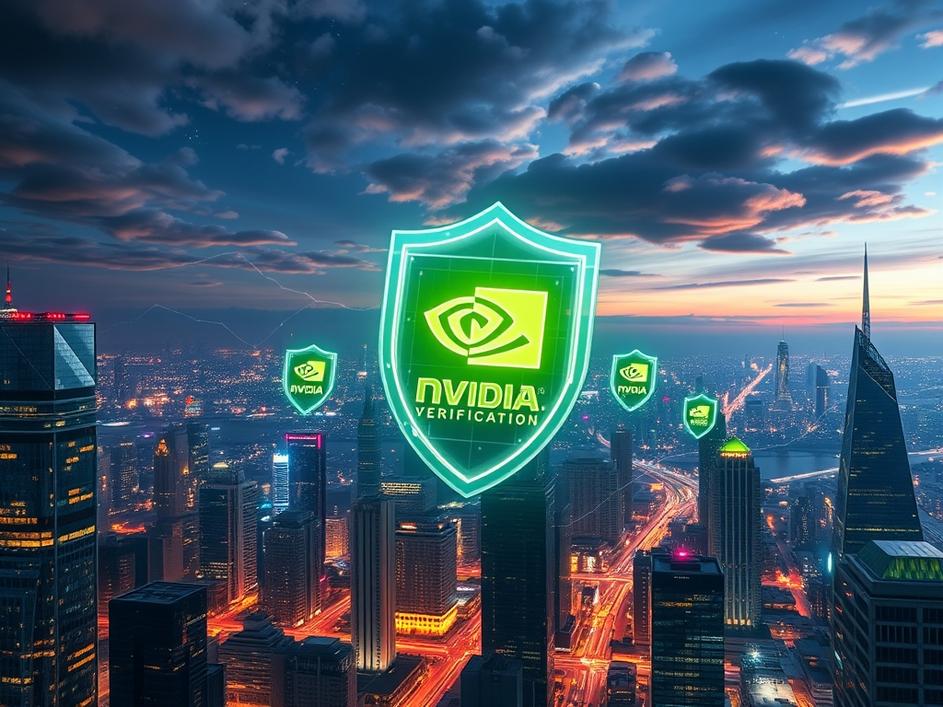
ToggleGlobal supply chains are complex, especially when it comes to high-tech components like the advanced chips designed by Nvidia. These chips, crucial for everything from gaming to artificial intelligence, are in high demand and short supply. And where there’s scarcity, there’s a potential for smuggling and illegal diversions. Nvidia is now stepping up to combat this problem with a new technology aimed at verifying the location of its chips.
Details are still emerging, but the core idea is that Nvidia is embedding location verification technology directly into its chips. This isn’t just about knowing a chip is in a specific country; it’s about confirming it’s being used in the way it was intended and authorized. Think of it as a digital passport for silicon. This could involve using cryptographic techniques or hardware-based security features to ensure the chip’s location matches its intended destination. The system will probably rely on secure communication channels and data analysis to flag discrepancies.
The implications of this technology are significant. For Nvidia, it’s about protecting its intellectual property and ensuring its products aren’t being used in ways that violate export controls or harm national security. For governments, it’s a tool to enforce regulations and prevent sensitive technology from falling into the wrong hands. The US government has been especially focused on preventing advanced technologies like high-end GPUs from reaching countries like China and Russia, where they could be used for military applications or to advance technologies that compete with US interests. Chip smuggling undermines these efforts, so a reliable location verification system is a big deal. Moreover, it’s likely to become a key tool in upholding international sanctions.
Beyond simply complying with government regulations, this technology could also allow Nvidia to enforce its own ethical standards. The company could, for example, prevent its chips from being used in autonomous weapons systems or surveillance technologies that violate human rights. Of course, this raises questions about the role of corporations in making moral decisions, but it also opens up new possibilities for responsible technology development. It might be a slippery slope, but it could be a useful tool in controlling technology distribution.
Implementing this location verification technology won’t be without its challenges. There are technical hurdles to overcome, such as ensuring the system is tamper-proof and doesn’t impact chip performance. And there are also privacy concerns to address. Customers may be wary of having their chip usage tracked, even if it’s for legitimate purposes. Nvidia will need to be transparent about how the technology works and what data is being collected. Furthermore, there’s a risk that sophisticated actors could find ways to circumvent the system, rendering it ineffective. Continuous monitoring and development will be essential to stay ahead of potential threats. It will also have to navigate international laws.
Nvidia’s move could set a new standard for the semiconductor industry. If successful, other chipmakers may feel pressure to implement similar location verification technologies. This could lead to a more secure and transparent supply chain, making it harder for bad actors to divert chips for illicit purposes. It could also foster greater trust between chipmakers, governments, and customers. But it could also trigger an increase in operating costs for companies. The costs of implementing and maintaining such systems can be high. In the end, consumers might need to pay the price in the form of higher prices for electronics. A balance must be found to prevent such an outcome.
Nvidia’s location verification technology is a significant step towards addressing the growing problem of chip smuggling. While challenges remain, the potential benefits are clear. This technology could help protect national security, enforce regulations, and promote responsible technology development. As the world becomes increasingly reliant on advanced chips, ensuring their security and traceability will become even more critical. The company is pioneering a path towards the future of chip security. It’s a move that could reshape the industry and have far-reaching consequences for global trade and security. We’ll see if it’s enough to curb international smuggling, and it’s a wait-and-see approach, but it’s certainly a useful first step.



Comments are closed