

We are a digital agency helping businesses develop immersive, engaging, and user-focused web, app, and software solutions.
2310 Mira Vista Ave
Montrose, CA 91020

2500+ reviews based on client feedback
What's Included?
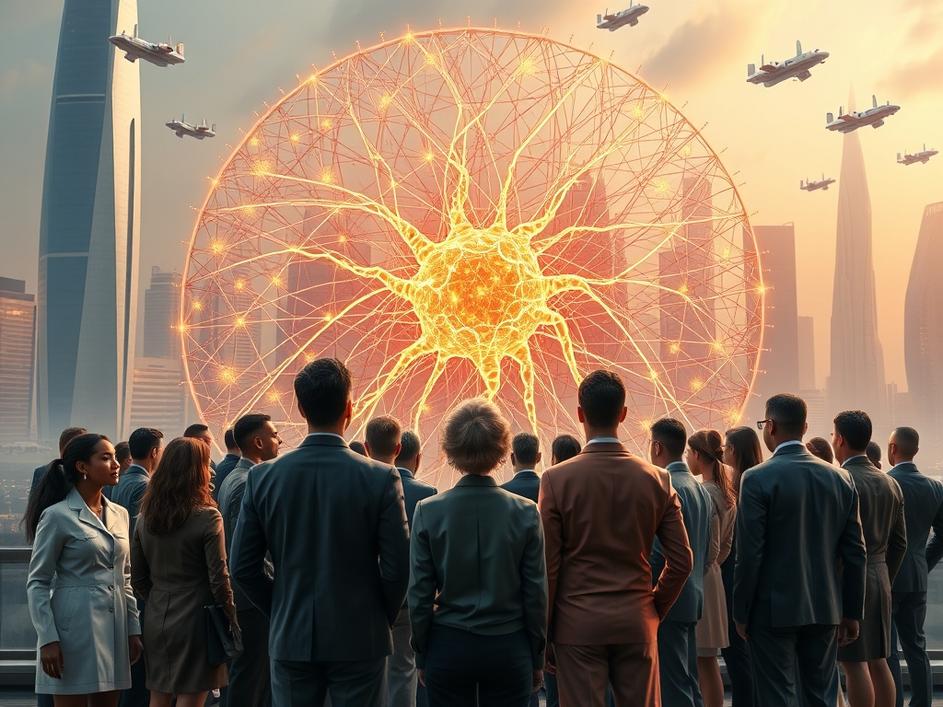
ToggleTime Magazine’s choice for Person of the Year 2025 has already been revealed: it’s the architects of AI. Let’s be honest, is anyone actually surprised? Artificial intelligence has dominated headlines, conversations, and, frankly, our anxieties for the past couple of years. From chatbots writing term papers to AI image generators creating stunning (and sometimes unsettling) art, AI has wormed its way into nearly every facet of modern life. So, recognizing the people who brought this technology to the forefront seems almost… obvious.
But who exactly are these “architects”? Time’s not just talking about one person, but rather a collective of researchers, engineers, and even ethicists who have contributed to the rise of AI. We’re talking about the folks toiling away in Silicon Valley labs, the academics publishing groundbreaking papers, and the policy makers grappling with the ethical implications of this powerful technology. It’s a diverse group, and arguably, even includes the open-source community that shares and develops these resources with very little or no compensation. And, of course, the corporations that funded this research. But giving a face (or faces) to something as abstract as “AI” helps us understand its origins and, perhaps, its future.
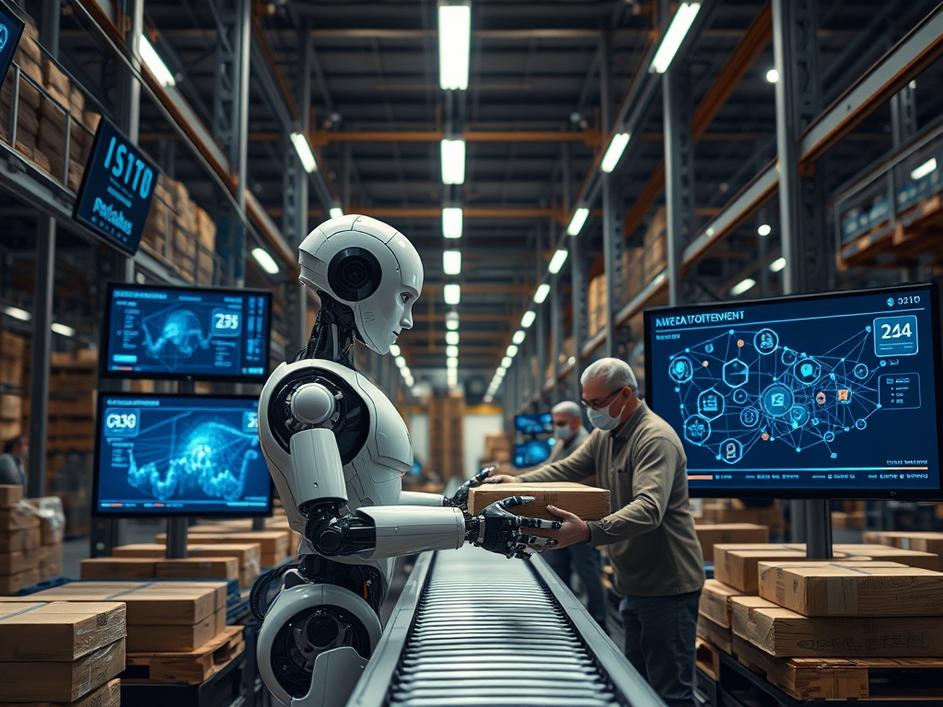
The rise of AI is not without its concerns, and this is where my perspective diverges a bit from pure celebration. Sure, AI promises incredible advancements in medicine, transportation, and countless other fields. Imagine personalized treatments for diseases, self-driving cars that eliminate accidents, or AI tutors that cater to each student’s individual needs. It all sounds fantastic. However, let’s not ignore the potential downsides. Job displacement due to automation is a very real threat. The spread of misinformation and deepfakes powered by AI is already causing chaos. And the ethical implications of autonomous weapons systems are downright terrifying. The architects of AI have built something powerful, but they also bear a responsibility to help us navigate the challenges it presents.
Beyond the hype, the day-to-day reality is often less dramatic, even tedious. Most of us aren’t interacting with sentient robots or living in a sci-fi dystopia (yet!). Instead, we’re dealing with algorithms that recommend products we might want to buy, chatbots that handle customer service inquiries, and AI tools that help us write better emails. These are useful tools, but it’s not science fiction. It’s important to remember that AI is, at its core, just a set of complex algorithms created by humans. It’s not magic, and it’s not inherently good or evil. It’s a tool, and like any tool, it can be used for good or ill.
So, what does the future hold? The truth is, no one really knows. AI is evolving at a breakneck pace, and predicting its trajectory is nearly impossible. Will AI eventually surpass human intelligence? Will it solve all of our problems or create new ones? Will it be a force for good or a source of existential dread? The answer, most likely, is “all of the above, to varying degrees.” The architects of AI have opened Pandora’s Box. It’s up to us, as a society, to figure out how to deal with what comes out. And how we use this new technology will determine if this honor will be seen as a blessing or a curse in the years to come. We should be thinking about these possibilities as we move forward and how we can shape the development of these applications.
Ultimately, Time Magazine’s selection highlights the profound impact that AI is already having on our world. It’s a recognition of the ingenuity and hard work of the people who are driving this technological revolution. But it’s also a reminder of the responsibility that comes with such power. As AI continues to evolve, we must ensure that it is developed and used in a way that benefits all of humanity, and not just a select few. The future of AI is not predetermined. It is something that we are actively creating, right now.
This isn’t just about celebrating innovation; it’s about sparking a crucial conversation. How do we ensure fairness in AI algorithms? How do we protect ourselves from AI-driven misinformation? How do we prepare the workforce for the coming wave of automation? These are not easy questions, and there are no easy answers. But we must start asking them now, before AI becomes too deeply embedded in our lives to change course. We all have a stake in the future of AI, and we all have a role to play in shaping it.
Despite all the doom and gloom, there’s also reason for optimism. AI has the potential to solve some of the world’s most pressing problems, from climate change to disease. It can help us create a more sustainable, equitable, and prosperous future for all. But realizing this potential requires careful planning, ethical considerations, and a commitment to using AI for good. It’s a challenge, to be sure, but it’s a challenge worth taking on. The architects of AI have given us a powerful tool. It’s up to us to use it wisely.


Comments are closed