Introduction to Community Gardens
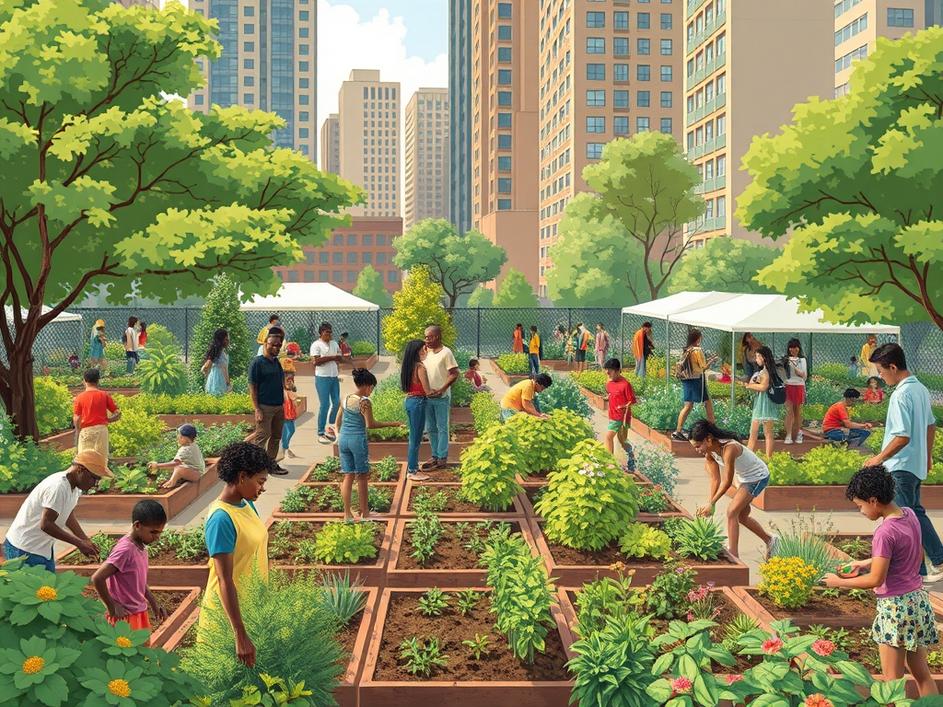
Community gardens have been growing in popularity, particularly in urban areas where green space is limited. These gardens not only provide fresh produce but also serve as social hubs where neighbors can come together. As cities become more developed, the importance of these small patches of greenery cannot be overstated. They represent a blend of nature and community, offering a sanctuary for both people and wildlife.
Engaging Neighbors Through Nature
One of the most fascinating aspects of community gardens is their ability to bring people together. They’re not just about planting flowers and vegetables; they’re about creating connections among neighbors. In many cities, these gardens are often a shared space for various community events, workshops, or simply a place to relax. This interaction fosters a sense of belonging and encourages friendships, which can often transcend cultural and socioeconomic barriers. Seeing children play, families gathering, or new friendships blossoming enriches the local atmosphere.
Environmental Benefits of Urban Gardening
Community gardens contribute to urban sustainability in numerous ways. First, they help improve air quality by increasing greenery in heavily populated areas. Plants naturally absorb carbon dioxide and release oxygen, making the air we breathe a little cleaner. Moreover, gardens can help with stormwater management. They capture rainwater, which lessens runoff and reduces flooding in urban settings. It’s remarkable to see how these localized efforts can have a significant impact on the environment.
Learning and Growing Together
These gardens also provide a practical education. Many gardens offer workshops on gardening techniques, sustainable practices, and even cooking classes using the produce grown. This knowledge not only empowers individuals but also promotes healthier eating habits within communities. Learning how to grow food can be a valuable skill, especially in an age where more people are interested in farm-to-table principles. It creates a cycle of learning that’s beneficial for the participants and the local food ecosystem.
The Challenges Ahead
While community gardens provide many advantages, they also face challenges. Issues such as funding, maintenance, and land access can hinder their growth and sustainability. Often, these gardens rely on volunteers and local donations, which can fluctuate. Additionally, as cities continue to grow, the availability of land for these spaces diminishes. Advocating for more green space in urban planning is essential to ensure these gardens thrive and can continue to play a crucial role in community life.
Conclusion: A Green Future
Community gardens are more than just a few planted rows of vegetables; they embody the spirit of community engagement and environmental responsibility. They teach important skills, improve our quality of life, and enhance the ecosystem. As cities continue expanding, supporting and maintaining these local treasures should be a priority. They are a reminder that amid the concrete and chaos of urban life, nature can provide solace and foster human connection.






Comments are closed