

We are a digital agency helping businesses develop immersive, engaging, and user-focused web, app, and software solutions.
2310 Mira Vista Ave
Montrose, CA 91020

2500+ reviews based on client feedback
What's Included?
ToggleFamily plays a huge role in a person’s health. It’s not just about genetics; it’s about support, habits, and the environment we grow up in. When nurses understand this, they can provide much better care. It’s about seeing the patient as part of a bigger picture, not just an individual with a specific illness. Family dynamics, cultural backgrounds, and economic situations all impact health outcomes. Ignoring these factors means missing crucial pieces of the puzzle.
A conceptual model in family nursing provides a framework for understanding the family as a unit and how it interacts with health and illness. It’s a way of organizing our thoughts and actions when caring for families. These models help nurses assess family needs, plan interventions, and evaluate the effectiveness of care. There isn’t just one model, though. Different models emphasize different aspects of family life, such as communication patterns, roles and responsibilities, or coping mechanisms. Understanding these models allows nurses to tailor their approach to each family’s unique circumstances.
Several concepts are central to most family nursing models. Family structure, or who makes up the family unit, is a primary consideration. This has evolved significantly over time and now includes various configurations. Family function, which refers to how the family operates and meets the needs of its members, is another key aspect. This includes things like communication, problem-solving, and emotional support. Family development is also important, recognizing that families go through stages of growth and change over time. These stages present different challenges and opportunities for health promotion. Finally, family coping mechanisms, or how families deal with stress and adversity, are crucial for understanding their resilience and ability to adapt.
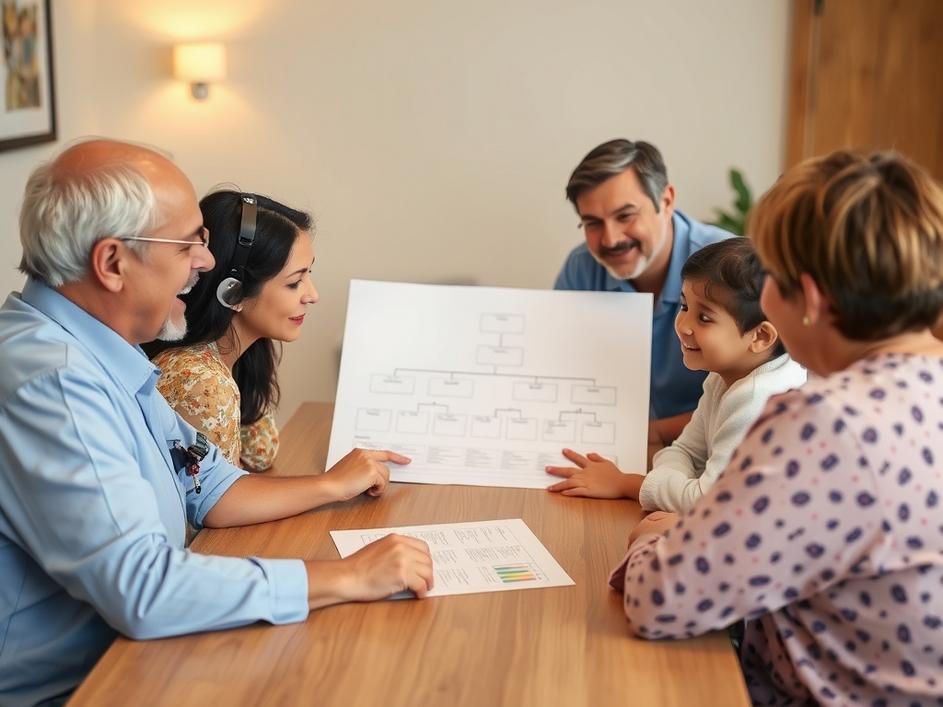
So, how do nurses actually use these models in their daily work? It starts with a thorough family assessment. This involves gathering information about the family’s structure, function, development, and coping mechanisms. Nurses can use various tools and techniques to collect this data, such as genograms (family tree diagrams) and ecomaps (visual representations of the family’s connections to the outside world). Based on this assessment, nurses can identify specific family needs and develop a plan of care that addresses those needs. This might involve providing education and support, facilitating communication, or connecting the family with community resources. The key is to involve the family in the planning process and empower them to take control of their health.
Taking a family-centered approach to nursing has many benefits. It can improve patient outcomes by addressing the root causes of illness and promoting healthy behaviors within the family unit. It can also enhance family functioning by strengthening communication and problem-solving skills. In addition, it can increase patient and family satisfaction with care, as they feel heard, understood, and respected. It’s not always easy to implement a family-centered approach, as it requires time, effort, and a willingness to work collaboratively with families. However, the rewards are well worth the investment.
Despite the clear benefits, there are challenges to implementing family-centered nursing in practice. Time constraints, limited resources, and a lack of training can all hinder nurses’ ability to provide comprehensive family care. There’s also a need for more research to evaluate the effectiveness of different family nursing interventions. Looking ahead, there’s a growing emphasis on integrating technology into family nursing practice. Telehealth, mobile apps, and online support groups can all provide valuable resources for families, especially those who live in rural areas or have limited access to healthcare services. The future of nursing care means integrating the family as a single unit and not individual parts.
Ultimately, understanding and applying conceptual models of family nursing is an investment in the health and well-being of individuals, families, and communities. By recognizing the crucial role that family plays in health, nurses can provide more effective, compassionate, and person-centered care. It’s about shifting our focus from treating disease to promoting wellness within the context of the family. As healthcare continues to evolve, family-centered nursing will become even more important in ensuring that everyone has the opportunity to live a healthy and fulfilling life. Prioritizing the family as a unit creates better patient experiences and outcomes in the long run.


Comments are closed