

We are a digital agency helping businesses develop immersive, engaging, and user-focused web, app, and software solutions.
2310 Mira Vista Ave
Montrose, CA 91020

2500+ reviews based on client feedback
What's Included?
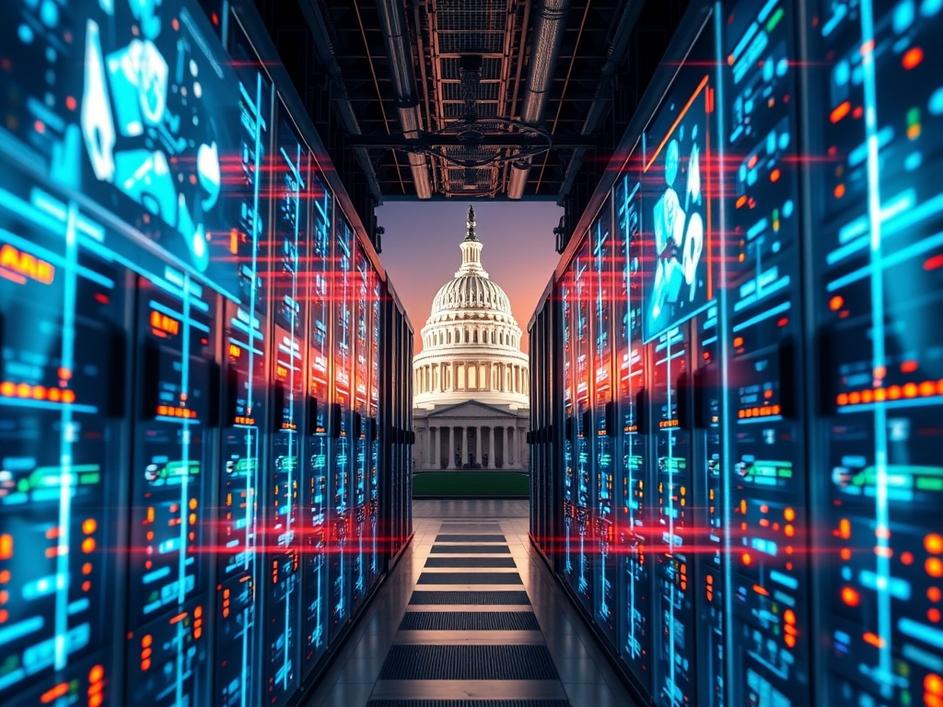
ToggleThe U.S. House of Representatives recently passed a bill designed to streamline the process for building data centers that support artificial intelligence. In essence, the bill aims to cut through some of the red tape involved in obtaining federal permits, making it easier and faster to construct the infrastructure needed to power AI projects. This move signals a significant push towards solidifying America’s position in the rapidly evolving AI landscape.
AI is no longer a futuristic concept; it’s here, and it’s growing fast. From self-driving cars to medical diagnoses and sophisticated algorithms that power our daily online experiences, AI is becoming increasingly integrated into our lives. All of this requires massive computing power, which is housed in data centers. These aren’t your average server rooms; AI-focused data centers need specialized hardware, like advanced GPUs, and robust infrastructure to handle the intense computational demands of training and running AI models. The current permitting process can be slow and cumbersome, potentially hindering the growth and deployment of AI technologies. This bill aims to address that bottleneck.
The core idea behind the bill is to create a more predictable and efficient permitting process for AI data center construction. This involves identifying and addressing potential roadblocks in the existing regulatory framework. By clarifying requirements, setting deadlines, and fostering better coordination between federal agencies, the bill aims to reduce delays and uncertainty for developers. This doesn’t necessarily mean lowering environmental standards or safety regulations, but rather making the process more transparent and streamlined. The goal is to encourage investment and innovation in AI infrastructure without sacrificing responsible development.
This legislative effort is about more than just building data centers; it’s about maintaining a competitive edge in the global AI race. Countries around the world are investing heavily in AI research and development, and a robust infrastructure is crucial for attracting talent, fostering innovation, and deploying cutting-edge AI solutions. By making it easier to build AI data centers in the U.S., this bill could help to attract investment and ensure that America remains a leader in this critical field. It also can spur innovation by lowering the barrier to entry for new companies and startups working on AI-related technologies, and increase the number of jobs.
While the bill is a positive step, there are potential challenges to consider. For example, ensuring that the streamlined permitting process doesn’t lead to environmental shortcuts will be essential. Data centers consume a lot of energy, and their construction can have environmental impacts, so it’s important to balance the need for faster development with the need for responsible and sustainable practices. Additionally, the bill focuses on federal permits, but state and local regulations can also play a significant role in data center construction. Coordinating efforts across all levels of government will be key to realizing the full benefits of this legislation.
With the House having passed the bill, it now moves to the Senate for consideration. If the Senate approves the bill, it will then go to the President to be signed into law. It remains to be seen what, if any, changes the Senate will make to the bill. Passing in the House is a major hurdle and a good sign for the future of AI infrastructure. Even if the bill becomes law, the work doesn’t end there. Implementing the streamlined permitting process effectively will require ongoing collaboration between government agencies, industry stakeholders, and local communities. Close monitoring is required to make sure that this bill is helpful and not harmful.
If this bill is successful, we could see a significant acceleration in the development of AI infrastructure across the country. This, in turn, could lead to faster deployment of AI technologies in various sectors, from healthcare and transportation to manufacturing and finance. Imagine quicker medical diagnoses, more efficient logistics, and more personalized customer experiences, all powered by AI running on these advanced data centers. The long-term economic and societal benefits could be substantial. The United States needs to keep up with technology and this bill is a good step in the right direction.
The House’s passage of this bill is a positive sign that lawmakers recognize the importance of AI and the need to support its growth. While challenges remain, streamlining the permitting process for AI data centers is a crucial step towards ensuring that America remains at the forefront of this transformative technology. This bill is about more than just data centers; it’s about creating a foundation for innovation, competition, and economic growth in the age of AI.

Comments are closed