

We are a digital agency helping businesses develop immersive, engaging, and user-focused web, app, and software solutions.
2310 Mira Vista Ave
Montrose, CA 91020

2500+ reviews based on client feedback
What's Included?
ToggleTikTok’s journey is a fascinating story of rapid growth and unexpected challenges. What started as a simple platform for sharing short, engaging videos quickly exploded into a global phenomenon. Millions, then billions, flocked to the app, drawn in by its addictive content and easy-to-use interface. Remember Vine? TikTok took that concept and amplified it, offering users a vast library of sounds, effects, and editing tools to create their own mini-masterpieces. From dance crazes to comedy skits, cooking tutorials to life hacks, TikTok became a cultural hub, shaping trends and influencing popular culture in ways few could have predicted. The algorithm, mysterious and powerful, played a huge role, curating personalized feeds that kept users hooked for hours. It was a perfect storm of creativity, accessibility, and algorithmic magic.
But the platform’s meteoric rise didn’t come without scrutiny. Concerns about data privacy, security, and censorship began to surface. The app’s Chinese ownership, under ByteDance, became a major point of contention, particularly in the United States. Allegations of potential data sharing with the Chinese government raised alarms among lawmakers and security officials. This concern was amplified by existing geopolitical tensions and trade disputes. The idea of user data potentially falling into the wrong hands became a significant worry, leading to increased calls for regulation and even outright bans.
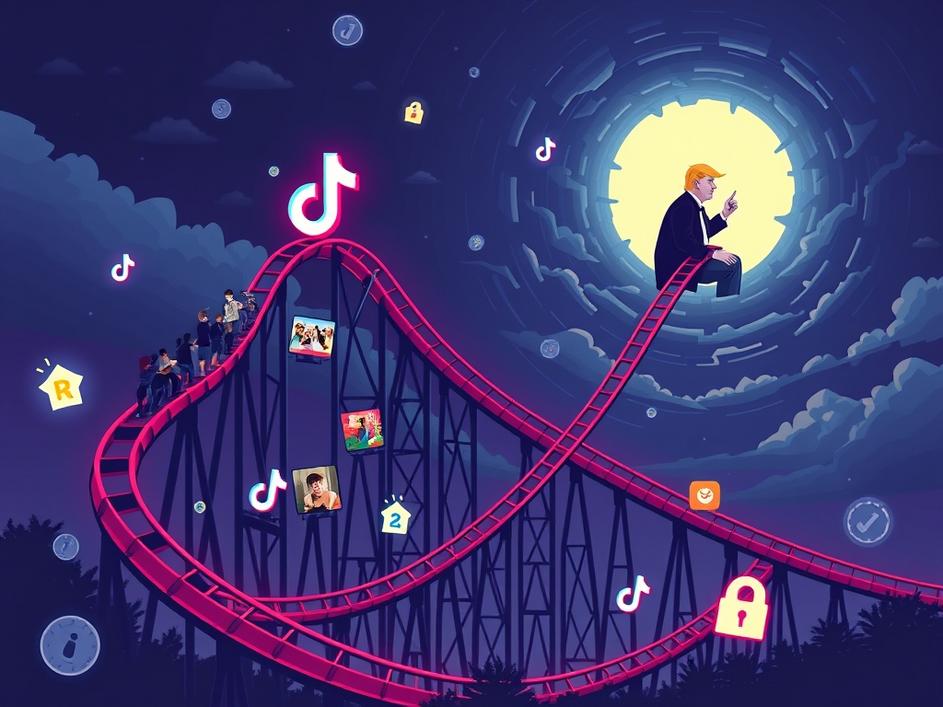
The situation escalated when the Trump administration took a hard line against TikTok. Citing national security concerns, the administration threatened to ban the app in the U.S. unless ByteDance divested its ownership. This move sent shockwaves through the tech world and sparked a complex legal battle. The administration argued that TikTok posed a risk to national security due to its potential to collect vast amounts of user data, which could be used for surveillance or propaganda purposes. The attempted ban triggered intense debates about free speech, censorship, and the role of government in regulating technology companies. While many users enjoyed the creative outlet the app provided, the potential risks associated with its ownership couldn’t be ignored.
Despite several attempts to force a sale to an American company, the situation remained unresolved by the end of Trump’s presidency. The Biden administration took a different approach, initiating a review of the potential security risks posed by TikTok and other foreign-owned apps. While the threat of an outright ban diminished, the concerns about data privacy and security persisted. The Committee on Foreign Investment in the United States (CFIUS) continued to investigate TikTok’s operations, seeking ways to mitigate potential risks and ensure the security of user data. The future of TikTok in the U.S. remains uncertain, as the company navigates a complex regulatory environment and strives to address the concerns raised by policymakers.
TikTok’s story is a microcosm of the larger challenges facing the global tech industry. It highlights the increasing importance of data privacy, security, and the need for greater transparency in the digital age. As technology becomes more integrated into our lives, questions about who controls our data and how it’s used become increasingly critical. The TikTok saga also underscores the growing tensions between technology companies and governments, as countries grapple with how to regulate the flow of information and protect national interests. The future will likely see more scrutiny of social media platforms and greater efforts to ensure user data is protected from misuse. The platform walked a tightrope between entertaining the masses and allaying fears about national security, a balance that has proven difficult to strike. The rise and scrutiny of TikTok serve as a potent reminder that innovation and fun can sometimes have serious implications.
The TikTok episode offers valuable lessons for users, companies, and governments alike. For users, it underscores the importance of being aware of the data they share online and understanding the potential risks involved. For companies, it highlights the need for transparency and accountability in their data practices. And for governments, it demonstrates the challenges of regulating rapidly evolving technologies and balancing national security concerns with the principles of free speech and open markets. The story is far from over, and the future of TikTok, and similar platforms, will depend on how these challenges are addressed in the years to come. One thing is for certain: the world of social media will never be quite the same.



Comments are closed