

We are a digital agency helping businesses develop immersive, engaging, and user-focused web, app, and software solutions.
2310 Mira Vista Ave
Montrose, CA 91020

2500+ reviews based on client feedback
What's Included?
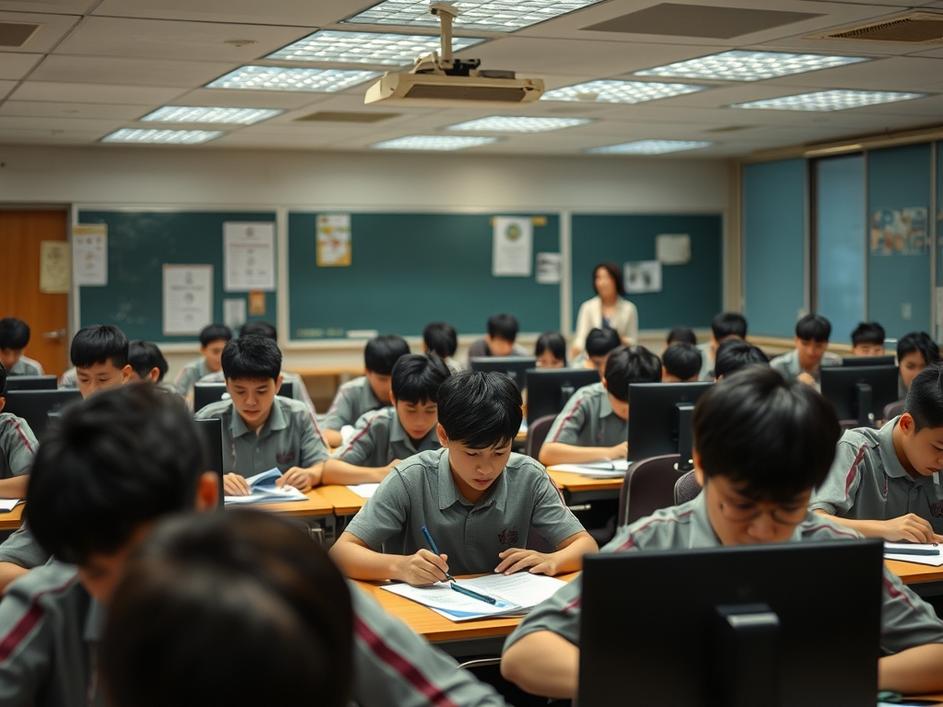
ToggleThe Hong Kong Diploma of Secondary Education (HKDSE) Information and Communication Technology (ICT) exam is a crucial milestone for students in Hong Kong. It tests their understanding and application of essential ICT concepts. The recently released review of the 2022 Paper 1B provides valuable insights into student performance and areas where improvements can be made in teaching methodologies. This review isn’t just about grading; it’s about understanding how students are grasping the material and how educators can better prepare them for future challenges. It’s a feedback loop designed to improve the overall quality of ICT education.
The review document dedicates a significant portion to the marking guidelines used for Paper 1B. These guidelines are essential for ensuring fairness and consistency in grading across all exam papers. Clear and well-defined criteria help examiners to evaluate student responses objectively. This also reduces the potential for bias or subjectivity in the assessment process. The level of detail in the marking scheme allows educators to understand what the examiners are looking for in student answers. Understanding the marking guidelines can help teachers better align their teaching strategies with the exam requirements, ultimately benefiting the students.
Analyzing candidate performance is at the heart of the review. The report highlights both the strengths and weaknesses demonstrated by students in their responses to Paper 1B. By identifying common errors and areas of struggle, the review provides valuable feedback for teachers to adjust their curriculum and teaching methods. For example, if many students struggled with a specific topic, it suggests that more emphasis should be placed on it in the classroom. And it provides an opportunity to reinforce understanding through additional exercises and real-world applications. Understanding the areas where students excel is equally important, as it can indicate the effectiveness of existing teaching strategies.
The review goes beyond simply identifying problems; it offers concrete suggestions for enhancing teaching practices. These suggestions are designed to help educators improve their instructional methods and better prepare students for the HKDSE ICT exam. The suggestions might include incorporating more hands-on activities, using real-world examples to illustrate ICT concepts, and providing more opportunities for students to practice problem-solving skills. It emphasizes active learning, where students are engaged and can actively participate in the learning process, instead of passively receiving information. This approach helps students to develop a deeper understanding of the material and retain it for longer periods of time.
While the review focuses on the HKDSE ICT exam, its implications extend far beyond the classroom. ICT skills are increasingly important in today’s rapidly evolving world. Preparing students for success in the exam also means equipping them with the knowledge and skills they need to thrive in higher education and the workforce. It is about building a solid foundation in ICT that will enable students to adapt to new technologies and solve complex problems throughout their lives. The review’s suggestions for enhancing teaching can help educators to cultivate critical thinking, problem-solving, and creativity in their students, preparing them to be innovative and adaptable in any field they choose to pursue.
The HKDSE ICT 2022 Paper 1B review is a valuable tool for educators in Hong Kong. By providing insights into student performance and offering practical suggestions for enhancing teaching, it promotes continuous improvement in ICT education. However, it’s crucial to recognize that this review is just one piece of the puzzle. Ongoing dialogue between educators, students, and policymakers is essential to ensure that the ICT curriculum remains relevant and responsive to the needs of a changing world. We also need to consider how technology integration is shaping the landscape and how schools can effectively use these resources for teaching and learning.
Looking ahead, it’s also important to consider issues of equity and access in ICT education. Not all students have equal access to technology and quality instruction. Addressing these disparities is essential to ensure that all students have the opportunity to succeed in the digital age. This includes providing resources and support to schools in underserved communities and ensuring that all students have access to the tools and training they need to develop essential ICT skills. It’s an issue that requires a collaborative approach from educators, policymakers, and the community as a whole.
The HKDSE ICT exam and its associated reviews play a vital role in shaping the future of ICT education in Hong Kong. By focusing on continuous improvement, promoting equity and access, and adapting to the changing needs of the digital age, educators can empower students with the knowledge and skills they need to thrive in the 21st century. It is an ongoing process that requires dedication, collaboration, and a commitment to excellence. The future of ICT education is bright, and by working together, we can ensure that all students have the opportunity to reach their full potential.
Ultimately, the review of the HKDSE ICT 2022 Paper 1B is more than just an assessment of student performance. It’s a valuable opportunity for educators to reflect on their teaching practices, identify areas for improvement, and ultimately provide students with a better learning experience. The process is a cycle of learning and growth. By using the information provided in the review, educators can adjust their teaching strategies, improve student outcomes, and contribute to the overall advancement of ICT education in Hong Kong. This continuous improvement mindset will lead to a stronger, more innovative, and more equitable educational system.


Comments are closed