

We are a digital agency helping businesses develop immersive, engaging, and user-focused web, app, and software solutions.
2310 Mira Vista Ave
Montrose, CA 91020

2500+ reviews based on client feedback
What's Included?
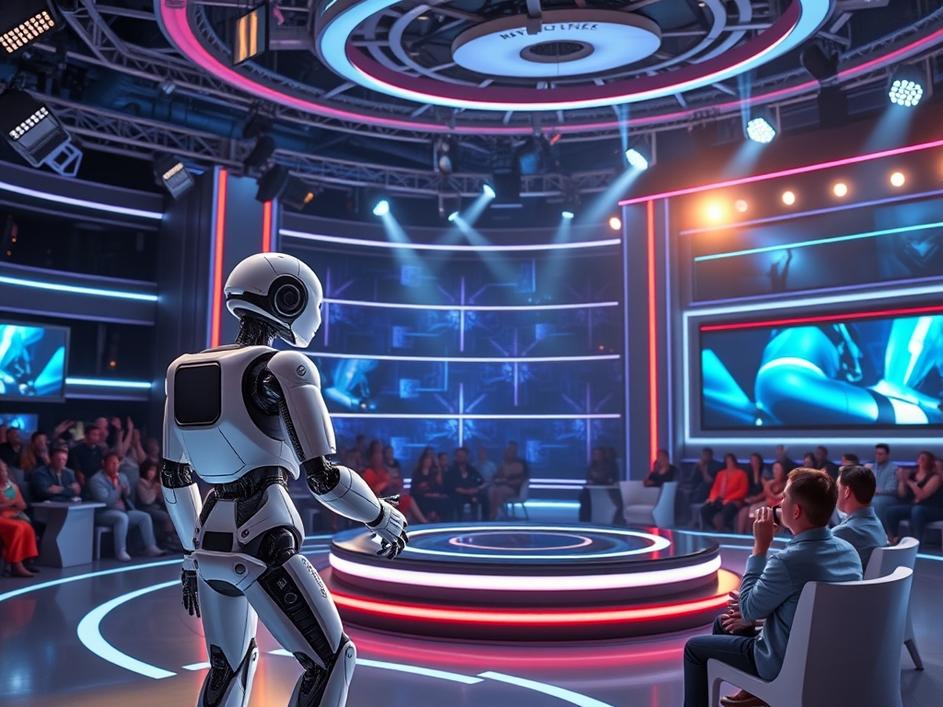
ToggleWe’ve been hearing about AI taking over jobs for years, but it’s usually been about factory workers or maybe even writers (gulp!). But now, AI is stepping into the spotlight, literally. A new reality TV show called ‘Non Player Combat’ has an AI as its host, and it’s raising some eyebrows – and some interesting questions about the future of entertainment.
From what I can gather, ‘Non Player Combat’ seems to be pushing the boundaries of reality TV. Instead of a human host guiding the drama and introducing the contestants, it’s an AI. The FRANCE 24 English video delves into the details, featuring an interview with this AI host. It is fascinating to watch and listen to it and compare it to any other human tv host.
Okay, so an AI is hosting a TV show. Big deal, right? Well, it kind of is. Think about what a host actually does. They need to be engaging, witty, and able to react to unexpected situations. They also need to be able to connect with the audience. Can an AI really do all of that? The video explores this very question, and it’s clear that the creators are trying to push the limits of what AI can do. It seems it all boils down to the uncanny valley effect, which is when you get closer to imitating a human, but you still fall short. When this happens it becomes creepy.
This isn’t just a one-off gimmick. The use of an AI host in ‘Non Player Combat’ could signal a major shift in the entertainment industry. If AI can successfully host TV shows, what’s next? Will we see AI actors, writers, or even directors? It’s a bit scary to think about, but it also opens up some exciting possibilities. Imagine movies or TV shows that are completely personalized to your preferences, created by AI that knows exactly what you want to see.
But here’s the big question: can AI ever truly replace the human element in entertainment? Can an AI replicate the warmth, empathy, and genuine connection that a human host can bring? I’m not so sure. While AI can be programmed to say the right things and react in a certain way, it lacks the lived experience and emotional intelligence that makes human interaction so special. There’s a certain ‘je ne sais quoi’ that only a human can provide. And that thing is important for many viewers.
Beyond the technical challenges, there are also ethical considerations. How transparent should we be about the use of AI in entertainment? Should audiences know when they’re interacting with an AI, or should it be seamless? And what about the potential for bias in AI algorithms? If an AI is trained on data that reflects existing societal biases, it could perpetuate those biases in its performance. This is dangerous and needs to be addressed. It’s crucial that we have a serious conversation about the ethical implications of AI in entertainment before it becomes too widespread.
Of course, it’s impossible to talk about AI without addressing the impact on jobs. If AI can host TV shows, what does that mean for human hosts? It’s a legitimate concern, and it’s something that we need to think about as AI becomes more prevalent in all aspects of our lives. However, it’s also important to remember that AI can create new jobs as well. We’ll need people to design, develop, and maintain these AI systems, and that could lead to new opportunities. Also, people will need to make sure all of this is done ethically and within legal parameters.
Overall, the use of an AI host in ‘Non Player Combat’ is an intriguing experiment. It shows us what’s possible with AI, and it raises some important questions about the future of entertainment. But I don’t think human hosts need to start packing their bags just yet. AI still has a long way to go before it can truly replicate the human touch. For now, it’s more of a novelty than a real threat. And this fact is unlikely to change within the next couple of years. What will happen in the next 10-20 years is hard to predict.
Maybe the future of entertainment isn’t about replacing humans with AI, but rather about finding ways for them to work together. Imagine a TV show where the host is a human, but they’re assisted by an AI that can provide real-time information, analyze audience reactions, and even generate jokes. That could be a powerful combination. The key is to find the right balance between human creativity and AI efficiency.
AI is here to stay, and it’s going to continue to transform our world in profound ways. The entertainment industry is no exception. While it’s important to embrace the opportunities that AI presents, it’s equally important to remember what makes human entertainment so special: the creativity, passion, and emotional connection that only humans can provide. As we move forward, let’s make sure that we’re using AI to enhance, not replace, the human element in entertainment.

Comments are closed