

We are a digital agency helping businesses develop immersive, engaging, and user-focused web, app, and software solutions.
2310 Mira Vista Ave
Montrose, CA 91020

2500+ reviews based on client feedback
What's Included?
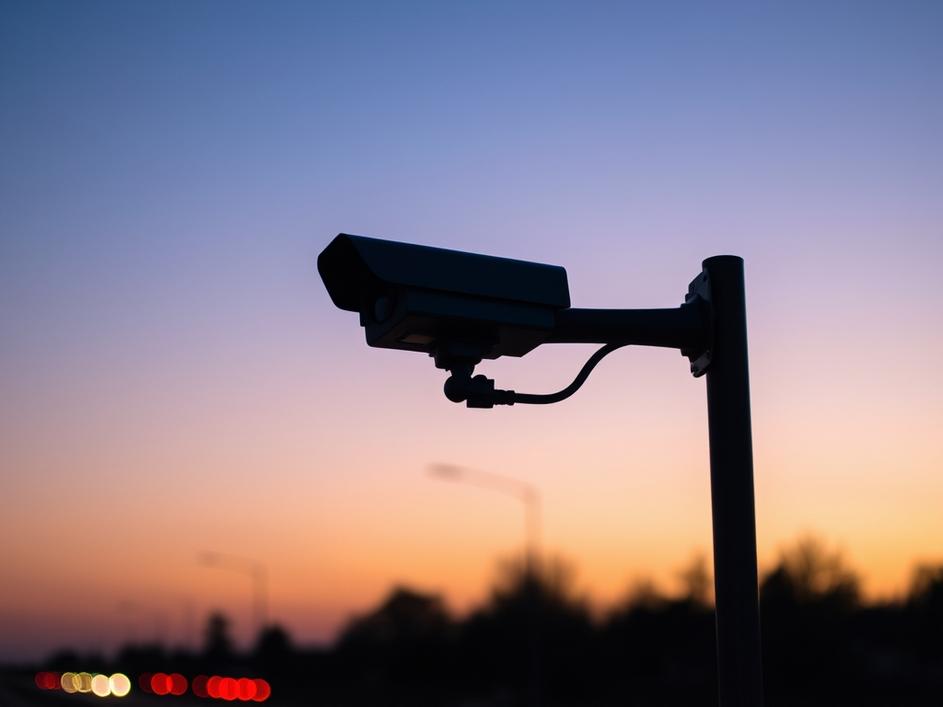
ToggleThe use of technology to solve crimes is nothing new. For decades, law enforcement has relied on tools ranging from fingerprint analysis to DNA testing. But as technology advances, so do the methods of surveillance. Recently, a company called Flock Safety has come under scrutiny for its license plate reading cameras, which helped police identify a suspect in a shooting case. While proponents tout these systems as effective crime-fighting tools, critics raise serious concerns about privacy and the potential for misuse.
Flock Safety’s system involves strategically placed cameras that capture images of license plates. These images are then processed using AI to extract the plate number and other relevant information, such as the make and model of the vehicle. This data is stored and can be accessed by law enforcement agencies to track vehicles of interest, identify suspects, and solve crimes. The system is not designed for facial recognition and the company states that the video is only stored for a limited amount of time.
Supporters of license plate readers argue that they provide valuable leads for law enforcement and help solve crimes that might otherwise go unsolved. In the Brown shooting case, the system quickly identified a suspect vehicle, providing crucial information that aided in the investigation. These cameras can be particularly effective in cases involving stolen vehicles, burglaries, and other crimes where a vehicle is used. Furthermore, proponents argue that the data is only accessed by law enforcement for legitimate purposes and is subject to strict regulations.
Despite the potential benefits, privacy advocates express deep reservations about the widespread use of license plate readers. One major concern is the mass collection and storage of data on innocent people. Every time a vehicle passes a camera, its license plate is recorded, creating a detailed record of its movements. This data can be used to track individuals’ whereabouts, habits, and associations, raising concerns about government surveillance and potential abuse. Even if the data is only accessed by law enforcement, there is a risk of leaks, hacking, or misuse by rogue employees.
Another concern is the potential for bias in the system. If the cameras are disproportionately placed in certain neighborhoods or if the AI algorithms are trained on biased data, the system could unfairly target specific groups or communities. This could lead to discriminatory practices and exacerbate existing inequalities in the criminal justice system. Furthermore, there is a risk that the data could be used for purposes beyond law enforcement, such as tracking political activists or monitoring individuals’ personal lives.
In a recent interview, Flock Safety CEO Garrett Langley addressed these concerns, emphasizing the company’s commitment to privacy and responsible use of its technology. He highlighted the measures taken to protect data security, limit access to authorized personnel, and ensure compliance with legal regulations. He also emphasized that the data is only stored for a limited time and is not used for facial recognition or other invasive surveillance techniques. Langley claims the company has built in safequards and is trying to be responsible.
The debate over license plate readers highlights the tension between public safety and individual privacy in the digital age. While technology can be a powerful tool for fighting crime, it also poses significant risks to civil liberties. The key is to find a balance that allows law enforcement to effectively use technology while protecting the privacy and rights of individuals. This requires careful regulation, transparency, and ongoing dialogue between policymakers, law enforcement, technology companies, and the public.
One of the most important steps is to establish clear regulations governing the use of license plate readers. These regulations should specify who can access the data, for what purposes, and under what circumstances. They should also include provisions for data security, retention, and deletion. Independent oversight mechanisms are also needed to ensure that the regulations are being followed and that the technology is not being misused. This could involve establishing a board or commission to review the use of license plate readers and investigate complaints of abuse.
Transparency is also essential. The public should be informed about the use of license plate readers in their communities, including the location of the cameras, the types of data being collected, and the policies governing its use. This information should be readily available and easily accessible. Public awareness campaigns can also help educate people about the technology and its potential impacts on privacy. This will help ensure that the public can participate in the conversation and hold policymakers and law enforcement accountable.
License plate readers and similar surveillance technologies present a complex challenge. They offer the potential to enhance public safety but also raise legitimate concerns about privacy and civil liberties. As technology continues to evolve, it is crucial that we have ongoing conversations about how to use it responsibly and ethically. By establishing clear regulations, promoting transparency, and fostering public dialogue, we can work towards a future where technology serves society without sacrificing our fundamental rights. Ultimately, the goal is to find a balance that protects both public safety and individual privacy, ensuring that technology is used for the benefit of all.



Comments are closed