

We are a digital agency helping businesses develop immersive, engaging, and user-focused web, app, and software solutions.
2310 Mira Vista Ave
Montrose, CA 91020

2500+ reviews based on client feedback
What's Included?
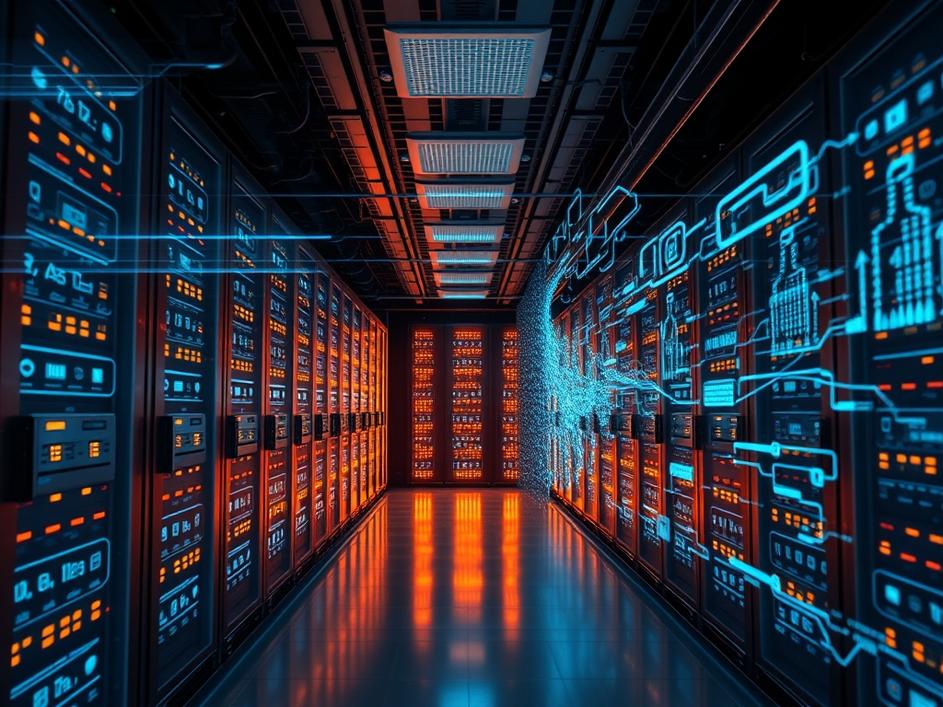
ToggleWe live in a world swimming in data. From the photos and videos we share online to the massive datasets used to train artificial intelligence, the need for digital storage is constantly growing. So, what does the future hold? Let’s take a look at what experts predict for the storage and memory landscape in 2026.
Flash memory, the kind found in your phone, SSDs, and USB drives, will continue its dominance. It’s fast, relatively inexpensive, and power-efficient, a winning combination for many applications. But flash memory isn’t without its limitations. As we try to pack more and more data into smaller spaces, we run into physical constraints. Manufacturers are constantly developing new techniques to overcome these challenges, like 3D NAND, which stacks memory cells vertically to increase density. So, while flash will remain important, expect innovation to keep it competitive.
One interesting trend is the rise of computational storage. Instead of just storing data, these devices can also process it. Imagine a storage drive that can perform basic calculations or filter data before sending it to the main processor. This can significantly improve performance, especially in applications like video editing or database management. Early adoption is happening, and by 2026, we may see more widespread use of this technology, particularly in specialized areas.
Despite the rise of flash memory, traditional hard drives (HDDs) aren’t going away anytime soon. While they’re slower than SSDs, they offer much higher storage capacities at a lower cost per terabyte. This makes them ideal for archiving data, backing up systems, and other applications where speed isn’t the primary concern. Expect HDDs to remain relevant, especially in data centers and for consumers who need massive amounts of storage on a budget. Innovations such as heat-assisted magnetic recording (HAMR) continue to push HDD areal density further up so capacity of HDDs will continue to grow.
Persistent memory technologies, like Intel’s Optane, aim to bridge the gap between fast, expensive DRAM and slower, cheaper flash memory. Persistent memory offers speeds closer to DRAM with the non-volatility of flash, meaning it retains data even when power is off. This has the potential to revolutionize applications that require fast access to large datasets, such as in-memory databases and high-performance computing. Adoption has been slower than initially anticipated, but further development and cost reductions could make persistent memory a more mainstream option by 2026.
Storage Class Memory (SCM) technologies offer the potential to overcome some of the limitations of NAND flash memory. These emerging technologies, such as resistive RAM (ReRAM) and magnetoresistive RAM (MRAM), promise faster speeds, higher endurance, and lower power consumption. While still in their early stages of development, SCM technologies could eventually replace flash memory in certain applications. They are definitely ones to watch.
The cloud will continue to play an increasingly important role in data storage. More and more businesses and consumers are choosing to store their data in the cloud, taking advantage of its scalability, accessibility, and cost-effectiveness. Cloud storage providers are constantly expanding their infrastructure and developing new services to meet the growing demand. Expect the trend toward cloud storage to accelerate in the coming years.
Artificial intelligence (AI) and machine learning (ML) are driving huge demand for storage. Training AI models requires massive datasets, and the results of these models often need to be stored and accessed quickly. This is creating a need for new storage solutions that can handle the unique demands of AI and ML workloads. Expect to see more specialized storage systems designed specifically for AI and ML applications.
While still in its early stages, quantum computing has the potential to revolutionize many fields, including data storage. Quantum computers could potentially break existing encryption algorithms, making data vulnerable to attack. However, quantum-resistant encryption algorithms are being developed to address this threat. While quantum computing is unlikely to have a major impact on data storage by 2026, it’s something to keep an eye on in the long term.
The future of digital storage is dynamic and ever-evolving. While flash memory will remain a key player, new technologies like computational storage, persistent memory, and storage class memory are poised to disrupt the landscape. The cloud will continue to grow in importance, and AI and ML will drive demand for specialized storage solutions. It’s an exciting time to be involved in the world of data storage.
The one thing that’s certain is that the storage landscape will continue to change. Businesses and individuals need to be prepared to adapt to these changes by embracing new technologies and strategies. By staying informed and being open to new ideas, we can all take advantage of the opportunities that the future of data storage has to offer. What innovations will truly take hold? Only time will tell, but the journey will be fascinating.


Comments are closed