

We are a digital agency helping businesses develop immersive, engaging, and user-focused web, app, and software solutions.
2310 Mira Vista Ave
Montrose, CA 91020

2500+ reviews based on client feedback
What's Included?
ToggleFor centuries, new technologies have been met with fear and skepticism, particularly regarding their impact on the job market. From the printing press to the cotton gin, each innovation sparked anxieties about widespread unemployment and societal upheaval. Today, artificial intelligence is the latest technology to face this wave of apprehension. The media is filled with stories of AI taking over jobs, leaving humans jobless and obsolete. But is this fear justified? Or is it simply a modern echo of anxieties past?
Looking back at history, we can see a clear pattern. While new technologies undoubtedly disrupt existing industries and displace some workers, they ultimately create more jobs than they destroy. The Industrial Revolution, for example, led to the demise of certain artisanal crafts. But it also gave rise to entirely new industries, from manufacturing and engineering to transportation and communication. These new industries required a workforce, leading to a net increase in employment opportunities. And while some jobs disappeared, new jobs were created that required a different set of skills.
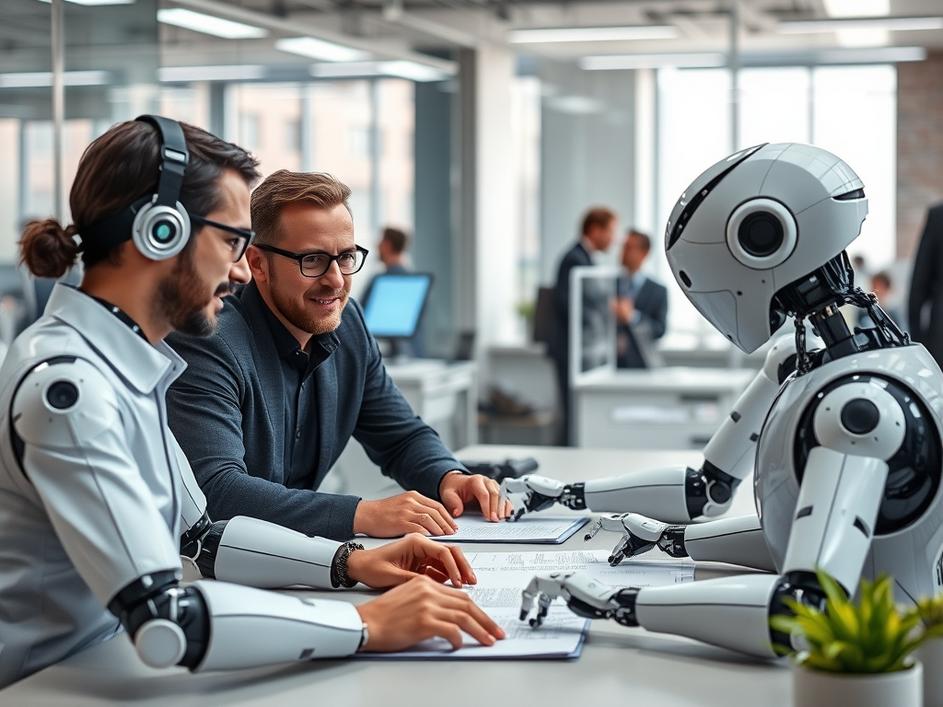
The same dynamic is likely to play out with AI. Instead of replacing humans entirely, AI will likely augment our capabilities, making us more productive and efficient. Think of AI as a super-powered assistant that can handle tedious and repetitive tasks, freeing up humans to focus on more creative, strategic, and interpersonal aspects of their work. Imagine a doctor using AI to analyze medical images with greater speed and accuracy, allowing them to spend more time interacting with patients and developing treatment plans. Or a lawyer using AI to sift through mountains of legal documents, allowing them to focus on building their case.
Of course, the rise of AI will require workers to adapt and acquire new skills. The jobs of the future will likely require a blend of technical expertise and human skills, such as critical thinking, problem-solving, communication, and emotional intelligence. Education and training programs will need to evolve to equip workers with these skills, ensuring that they are prepared for the changing demands of the labor market. This shift requires investment in training programs and educational initiatives focused on the skills needed to work alongside AI. It is about retraining and upskilling the workforce, providing them with the knowledge and abilities needed to succeed in an AI-driven economy.
It’s also important to remember that certain aspects of human work are difficult, if not impossible, to automate. Jobs that require empathy, creativity, critical thinking, and complex problem-solving will likely remain the domain of humans for the foreseeable future. Consider the roles of teachers, nurses, social workers, and artists. These professions rely heavily on human interaction, emotional intelligence, and creative expression, qualities that are difficult to replicate with AI. Even in fields like customer service, where AI-powered chatbots are becoming increasingly common, human agents are still needed to handle complex or emotionally charged situations. AI may be able to answer basic questions, but it cannot offer empathy or build relationships.
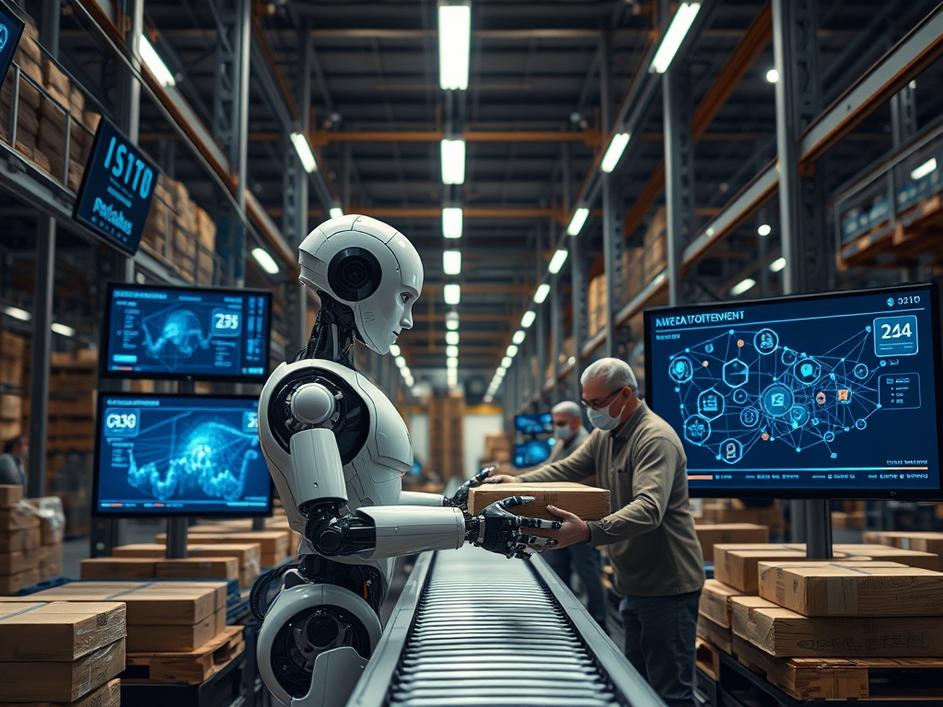
Furthermore, AI has the potential to unlock entirely new opportunities for innovation and economic growth. By automating routine tasks, AI can free up human capital to pursue new ideas, develop new products, and create new businesses. This can lead to the creation of new jobs that we cannot even imagine today. Think about the impact of the internet on the job market. Before the internet, there were no web developers, social media managers, or e-commerce specialists. The internet created these new roles, and AI can be expected to do the same. As AI drives innovation and creates new industries, it will also generate new employment opportunities.
While the long-term outlook for AI and employment is optimistic, it’s important to acknowledge that there will be challenges along the way. Some workers will inevitably be displaced by automation, and policymakers need to develop strategies to support these individuals. This could include providing unemployment benefits, retraining programs, and other forms of assistance. It’s also important to ensure that the benefits of AI are shared broadly, rather than concentrated in the hands of a few. This could involve policies such as progressive taxation, universal basic income, or employee ownership models.
In conclusion, while the fear of AI stealing jobs is understandable, it is ultimately misplaced. History teaches us that technology creates more jobs than it destroys. AI has the potential to augment human capabilities, boost productivity, and unlock new opportunities for innovation and economic growth. However, it’s important to address the challenges associated with AI, such as job displacement and inequality, through proactive policies and investments in education and training. The future of work is not about humans versus AI, but about humans and AI working together to create a more prosperous and fulfilling future for all. The key lies in adapting, learning, and embracing the changes that AI will bring, ensuring that we harness its power for the benefit of all.


Comments are closed