

We are a digital agency helping businesses develop immersive, engaging, and user-focused web, app, and software solutions.
2310 Mira Vista Ave
Montrose, CA 91020

2500+ reviews based on client feedback
What's Included?
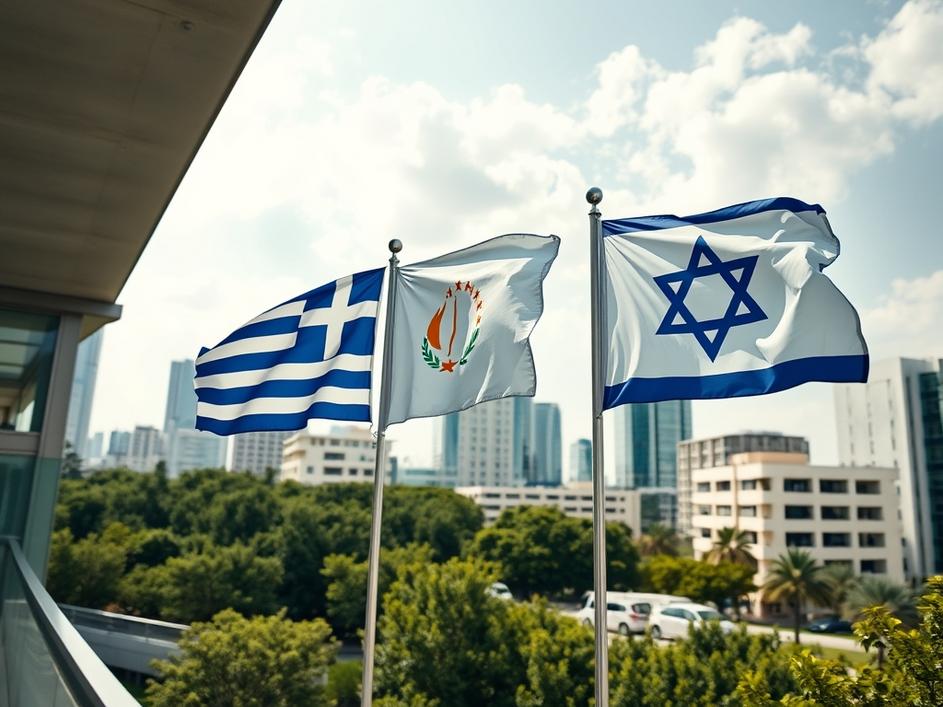
ToggleIn a world often marked by division, the recent trilateral summit between Greece, Cyprus, and Israel offered a refreshing glimpse of cooperation. Prime Minister Kyriakos Mitsotakis of Greece met with his counterparts to discuss a range of critical issues, signaling a deepening partnership between these three nations. This wasn’t just a photo op; the discussions touched on pressing concerns, from the reconstruction efforts in Gaza to groundbreaking collaborations in artificial intelligence. It’s clear that these countries see mutual benefit in working together, presenting a united front in a region often characterized by instability and complex geopolitical dynamics.
One of the most pressing topics on the agenda was the recovery of Gaza. The recent conflicts have left a devastating mark on the region, and the need for reconstruction is urgent. While the specifics of Greece’s involvement weren’t detailed in the initial reports, the Prime Minister’s focus on this issue highlights a commitment to humanitarian aid and regional stability. It’s likely that Greece, along with Cyprus and Israel, will be exploring ways to provide assistance in rebuilding infrastructure, providing medical support, and addressing the basic needs of the Gazan people. This collaborative approach could be crucial in ensuring that aid reaches those who need it most effectively and efficiently.
The strengthening partnership between Greece, Cyprus, and Israel is particularly noteworthy. These nations share historical ties, cultural affinities, and strategic interests, making them natural allies. The trilateral summit served as a platform to solidify this relationship, fostering closer cooperation in various fields. Energy cooperation, particularly regarding natural gas resources in the Eastern Mediterranean, has been a key driver of this alliance. But the discussions extended beyond energy, encompassing areas such as security, tourism, and technology. By working together, these countries can enhance their collective influence and address shared challenges more effectively.
Beyond the immediate concerns of regional stability, the summit also delved into the exciting possibilities of artificial intelligence. Prime Minister Mitsotakis emphasized the importance of innovation in AI, suggesting that Greece, Cyprus, and Israel could become leaders in this rapidly evolving field. This focus on AI signifies a forward-thinking approach, recognizing the transformative potential of this technology across various sectors. Collaboration in AI research and development could create new economic opportunities, improve public services, and enhance the overall quality of life for citizens in all three countries. It’s a bold vision that could position them at the forefront of technological advancement.
Of course, the path to closer cooperation isn’t without its challenges. Geopolitical tensions, differing priorities, and historical grievances could all pose obstacles. But the commitment demonstrated at the trilateral summit suggests a willingness to overcome these hurdles and forge a stronger partnership. The potential benefits of this alliance are significant, ranging from enhanced security and economic growth to greater regional stability and technological innovation. The key will be to maintain open communication, address concerns proactively, and focus on areas of mutual interest. If Greece, Cyprus, and Israel can successfully navigate these challenges, they could set a positive example for regional cooperation and contribute to a more peaceful and prosperous future.
The Eastern Mediterranean is a region fraught with complexity. Turkey’s assertive foreign policy, ongoing disputes over maritime boundaries, and the unresolved Cyprus issue all contribute to a volatile environment. The trilateral partnership can be seen, in part, as a response to these challenges. By aligning their interests and coordinating their actions, Greece, Cyprus, and Israel aim to counterbalance Turkey’s influence and safeguard their own security. This doesn’t necessarily imply a confrontational approach, but rather a strategy of deterrence and stability. The ability of these three nations to work together effectively sends a strong signal to other actors in the region, promoting a more predictable and balanced geopolitical landscape.
Beyond security concerns, the economic potential of the Greece-Cyprus-Israel partnership is considerable. Cooperation in energy, tourism, and technology can create new opportunities for investment, job creation, and economic growth. The development of natural gas resources in the Eastern Mediterranean, for example, could provide a significant boost to the economies of all three countries. Similarly, closer collaboration in tourism can attract more visitors and generate revenue for businesses in the hospitality sector. By fostering innovation in AI and other cutting-edge technologies, these nations can position themselves as hubs of economic activity and attract talent from around the world. This economic integration can lead to greater prosperity and resilience, making the region more attractive for investment and less vulnerable to external shocks.
The trilateral partnership between Greece, Cyprus, and Israel offers a compelling model for regional cooperation. By focusing on shared interests, addressing common challenges, and building trust, these nations have demonstrated the potential to overcome historical divisions and forge a stronger future. While the specific context of the Eastern Mediterranean is unique, the principles underlying this partnership can be applied in other regions facing similar challenges. The key is to prioritize dialogue, promote mutual understanding, and focus on areas where cooperation can deliver tangible benefits. If other nations can emulate this approach, the world could become a more peaceful and prosperous place.
The success of the Greece-Cyprus-Israel partnership will depend on its ability to adapt to changing circumstances and maintain its momentum over the long term. This requires a commitment to ongoing dialogue, a willingness to address emerging challenges, and a focus on building sustainable relationships. By investing in people-to-people exchanges, promoting cultural understanding, and fostering collaboration in education and research, these nations can create a solid foundation for future cooperation. The trilateral summit was an important step in this direction, but the real work lies ahead. By embracing a spirit of collaboration and innovation, Greece, Cyprus, and Israel can create a brighter future for themselves and for the region as a whole.



Comments are closed