

We are a digital agency helping businesses develop immersive, engaging, and user-focused web, app, and software solutions.
2310 Mira Vista Ave
Montrose, CA 91020

2500+ reviews based on client feedback
What's Included?
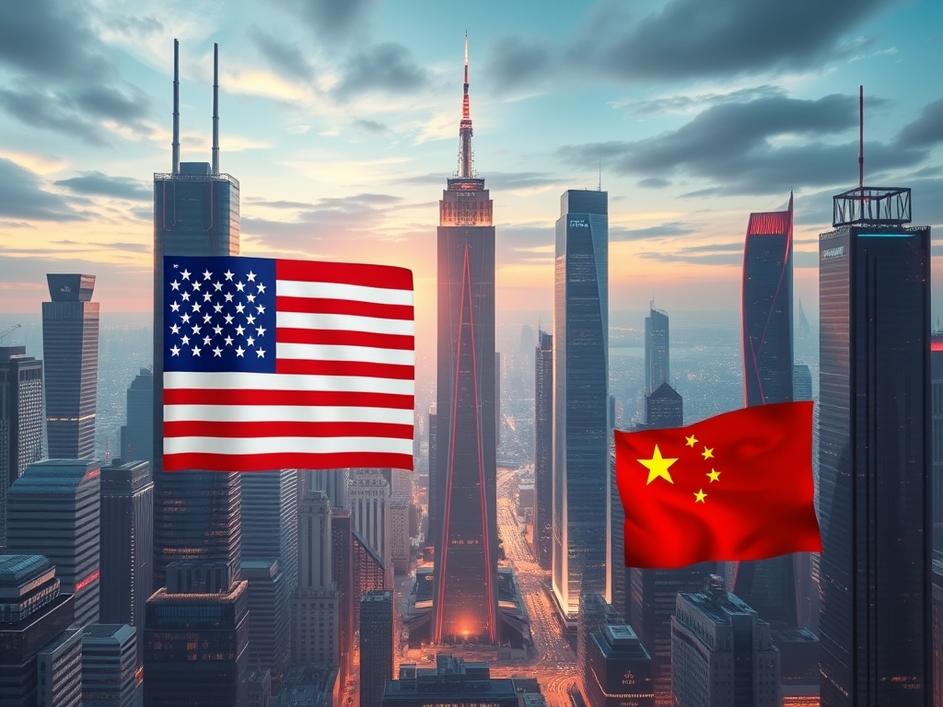
ToggleFor decades, the narrative has been one of China’s relentless rise in the tech world, challenging and, in some areas, surpassing the United States. The sheer scale of investment, coupled with a focused national strategy, propelled China forward at an astonishing pace. But according to Dan Ives, Global Head of Technology Research at Wedbush Securities, the tables might be turning. He suggests that, for the first time in 30 years, the US holds a technological advantage over China. This isn’t just about bragging rights; it’s about economic power, national security, and the future of innovation.
So, what’s driving this shift? Ives points to advancements in artificial intelligence (AI) as a key differentiator. The US, with its vibrant ecosystem of startups, established tech giants, and world-leading research institutions, has been at the forefront of AI development. From machine learning algorithms to natural language processing, American companies are pushing the boundaries of what’s possible. And while China is also making significant strides in AI, the US currently seems to have a lead in crucial areas. This lead extends to the infrastructure supporting AI, including advanced chips and computing power, where US companies like NVIDIA hold significant market share.
It’s not just about AI, though. The US continues to lead in other critical areas like cybersecurity, cloud computing, and software development. American companies dominate the global cloud market, providing the infrastructure and services that power much of the digital world. The US also boasts a more robust and innovative cybersecurity industry, vital for protecting critical infrastructure and sensitive data in an increasingly interconnected world. The software sector, with its constant stream of new applications and platforms, remains a major strength of the US economy. And let’s not forget the innovation stemming from the US’s strong university research system which consistently drives new tech and companies.
Of course, it would be a mistake to underestimate China’s capabilities. China has made immense progress in areas like 5G technology, electric vehicles, and renewable energy. The Chinese government’s strategic investments and support for domestic industries have created powerful, globally competitive companies. The sheer scale of the Chinese market also provides a significant advantage, allowing companies to innovate and scale quickly. China’s manufacturing prowess is also a critical factor; the country remains a dominant force in global supply chains. Therefore, it’s more accurate to say the US is *ahead* in some segments rather than *dominant* overall.
This potential shift in the tech landscape has significant geopolitical implications. Technology is no longer just about consumer gadgets; it’s a strategic asset that can determine economic and military power. A US lead in key technologies like AI could give it an advantage in areas like defense, intelligence, and economic competitiveness. It also influences alliances and partnerships, as countries align themselves with technological leaders. The competition between the US and China in the tech world is likely to intensify in the coming years, with both countries vying for dominance in key areas. The ongoing trade war and restrictions on technology exports are further evidence of this competition.
Maintaining this lead won’t be easy for the US. It requires continued investment in research and development, a supportive regulatory environment, and a skilled workforce. The US also faces challenges in areas like workforce development and cybersecurity. And the question of ethical AI becomes more pressing as these technologies are more prevalent. However, the US still has a strong entrepreneurial culture and a vibrant startup ecosystem, which are critical for driving innovation. The US also has the advantage of attracting talent from around the world, creating a diverse and dynamic workforce. If the US can effectively address these challenges and capitalize on its strengths, it can maintain its technological edge and secure its economic future.
The suggestion that the US is ahead of China in tech for the first time in 30 years marks a potential turning point. While China remains a formidable competitor, the US appears to have regained some ground, particularly in critical areas like AI. This shift has significant geopolitical implications and underscores the importance of continued investment and innovation. The coming years will be crucial in determining whether the US can maintain this lead and shape the future of technology. But with the US currently holding a key position in this race, the global tech stage is set for a fascinating new act.


Comments are closed