

We are a digital agency helping businesses develop immersive, engaging, and user-focused web, app, and software solutions.
2310 Mira Vista Ave
Montrose, CA 91020

2500+ reviews based on client feedback

What's Included?
ToggleArtificial intelligence is no longer a sci-fi fantasy; it’s rapidly becoming a tangible part of our everyday lives. From suggesting what to watch next to helping doctors diagnose diseases, AI’s reach is expanding. And now, it’s even caught the attention of the Federal Reserve, the organization that steers the U.S. economy. The central bank’s rate-setting committee is seriously considering how AI’s increasing adoption might boost productivity and, in turn, influence their decisions about interest rates and the overall economic outlook. That means AI could impact everything from the price of your next car loan to the strength of the job market.
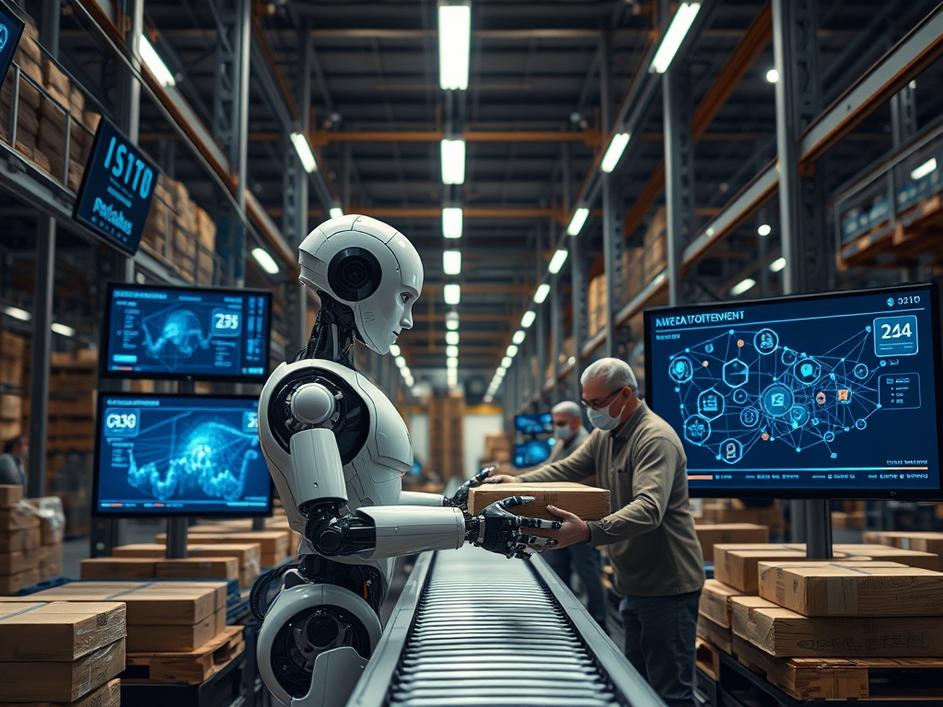
For years, productivity growth – how much output each worker generates – has been sluggish. This has been a headache for economists, as strong productivity is a key ingredient for rising living standards. If workers can produce more goods and services in the same amount of time, businesses can afford to pay them more, and the economy can grow without triggering inflation. Some Fed officials now believe AI could be the catalyst that finally breaks this productivity logjam. Machine learning algorithms, they argue, could automate tasks, streamline operations, and empower workers to be more efficient. Imagine AI handling routine data entry, freeing up employees to focus on more creative and strategic work. Or picture AI-powered tools that help engineers design better products or enable marketers to personalize customer experiences more effectively.
But how does this potential productivity boost translate into the Fed’s actions? The Fed’s primary job is to maintain stable prices and full employment. If AI does indeed lead to higher productivity, it could allow the economy to grow faster without causing inflation. This would give the Fed more leeway to keep interest rates lower for longer, which would benefit borrowers and stimulate investment. However, the Fed also needs to be wary of the potential downsides. For example, if AI displaces workers in certain industries, it could lead to job losses and increased inequality. The Fed would then have to consider how to mitigate these negative effects, perhaps by supporting retraining programs or adjusting its policies to promote broader economic opportunity. The Fed has to walk a tightrope, balancing the potential benefits of AI with its potential risks.
While the enthusiasm surrounding AI is understandable, it’s crucial to remember that the technology is still in its early stages. It’s difficult to predict exactly how quickly and widely AI will be adopted, and how significantly it will impact productivity. There are also important questions about data privacy, algorithmic bias, and the ethical implications of AI that need to be addressed. We’ve already seen examples of AI systems that perpetuate discriminatory practices, and it’s essential to ensure that these biases are identified and corrected. Furthermore, successful AI implementation requires not just technology but also skilled workers who can manage and maintain these systems. Businesses will need to invest in training and education to prepare their workforce for the AI-powered future.
The Fed’s acknowledgment of AI’s potential impact on the economy is a significant step. It signals that policymakers are paying attention to the latest technological developments and are prepared to adapt their strategies accordingly. However, the road ahead is uncertain. Predicting the precise impact of AI on productivity and the economy is a complex task, and the Fed will need to carefully monitor the data and adjust its policies as needed. This means staying flexible, being open to new ideas, and engaging in ongoing dialogue with businesses, researchers, and the public. The future of work and the overall economic landscape are being reshaped by artificial intelligence, and it’s crucial that we navigate this transformation thoughtfully and responsibly. The decisions we make today will determine whether AI becomes a force for shared prosperity or a source of greater inequality.
Ultimately, the impact of AI on the economy remains to be seen. The Fed is right to be paying attention, but it’s also wise to avoid making hasty decisions based on overly optimistic projections. As AI technology continues to evolve, it’s imperative that we keep a close watch on its effects, both positive and negative, and adapt our policies and strategies accordingly. This includes investing in education and training, addressing ethical concerns, and promoting a more inclusive and equitable economy. AI has the potential to unlock a new era of economic growth and prosperity, but only if we manage its development and deployment wisely.


Comments are closed