

We are a digital agency helping businesses develop immersive, engaging, and user-focused web, app, and software solutions.
2310 Mira Vista Ave
Montrose, CA 91020

2500+ reviews based on client feedback
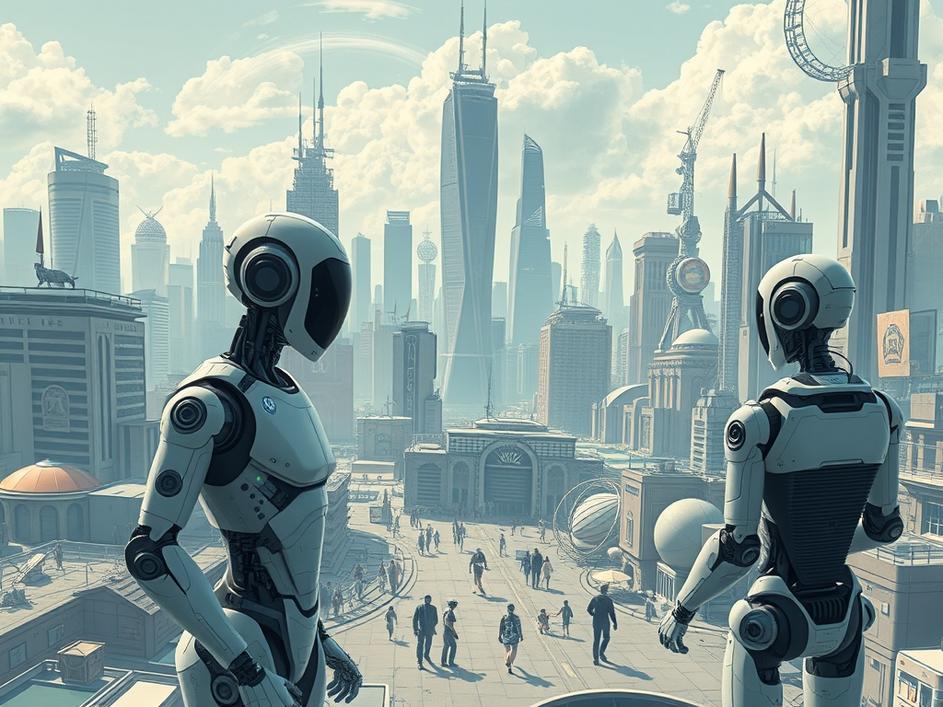
Shanda Group, known for its early success in online gaming, is stepping back into the spotlight. But this time, it’s not about virtual worlds of entertainment. Instead, they’re focusing on ventures pushing the boundaries of artificial intelligence and exploring the future of how humans and AI can coexist. It seems the company has been quietly incubating some very interesting projects, and now they are ready to share them with the world.
One of the key concepts driving Shanda’s AI efforts is “Discoverative AI.” This is more than just building algorithms that can perform specific tasks. It’s about creating AI systems that can learn, adapt, and even discover new knowledge on their own. Think about it like giving AI the tools to not just answer questions, but to ask them as well. This approach has huge implications for everything from scientific research to solving complex global challenges. Instead of simply processing data, the AI would be able to see correlations and patterns that humans might miss, potentially leading to new breakthroughs and understandings.
But Shanda’s vision extends beyond just the technical aspects of AI. Tianqiao Chen, the founder of Shanda Group, is also exploring the philosophical and societal implications of AI. He introduces the idea of the “Entropy of Tolerance,” which is a fascinating concept. It basically suggests that as AI becomes more integrated into our lives, we will need to develop a greater capacity for understanding and accepting different perspectives, even those that challenge our own beliefs. In a world increasingly shaped by algorithms, this kind of tolerance could be crucial for maintaining social cohesion and preventing AI from reinforcing existing biases. Chen seems to be suggesting that the development of AI should be accompanied by a parallel development of human understanding and empathy.
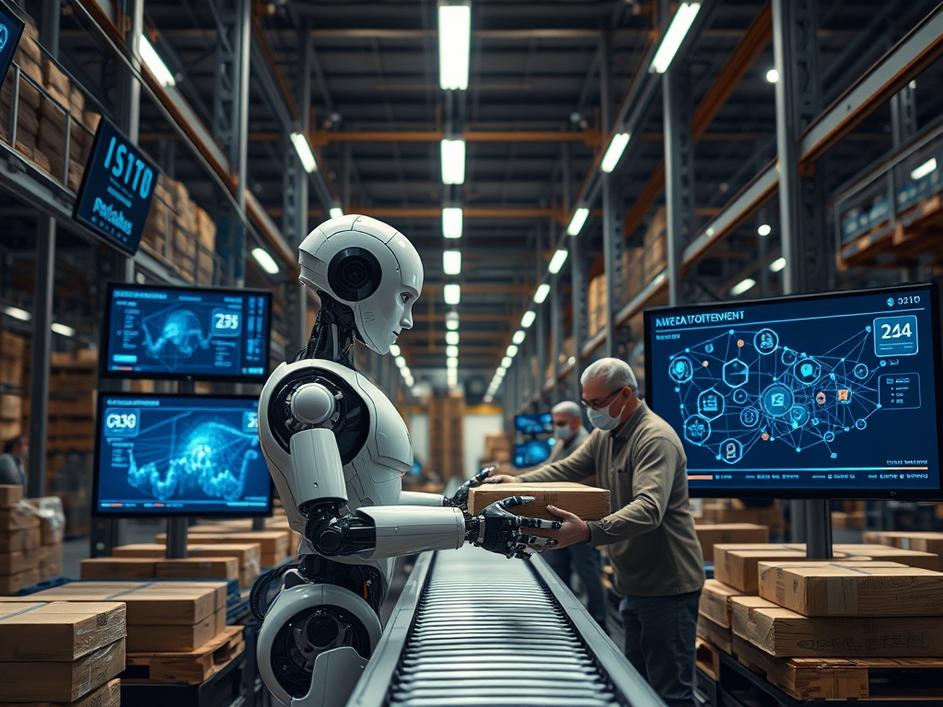
Chen’s vision emphasizes a co-evolutionary relationship between humans and AI. It’s not about AI replacing humans, but rather about creating a partnership where each complements the other’s strengths. AI can handle complex calculations and data analysis, freeing up humans to focus on creativity, critical thinking, and emotional intelligence. This kind of collaboration could lead to a new era of innovation and problem-solving. Imagine researchers working side-by-side with AI systems, accelerating the pace of scientific discovery. Or artists using AI tools to explore new forms of creative expression. The possibilities are vast, but they require a shift in how we think about AI – from a tool to a partner.
Of course, this vision of human-AI co-evolution isn’t without its challenges. Ensuring fairness, transparency, and accountability in AI systems is paramount. We need to be mindful of the potential for bias in algorithms and take steps to mitigate it. We also need to address the ethical considerations surrounding AI, such as data privacy and the potential impact on employment. And perhaps most importantly, we need to foster a public dialogue about the role of AI in society, ensuring that everyone has a voice in shaping its future. This includes addressing fears and misconceptions about AI and promoting a more nuanced understanding of its capabilities and limitations.
Shanda Group’s approach to AI development is refreshingly thoughtful. It’s not just about creating the most powerful algorithms, but about considering the broader societal implications and fostering a more humanistic approach to AI. The focus on “Discoverative AI” and the “Entropy of Tolerance” highlights the importance of not only developing intelligent machines, but also cultivating human understanding and empathy. As AI continues to evolve, this kind of holistic perspective will be essential for ensuring that it benefits all of humanity. The company’s return to the spotlight with these new ventures marks a significant moment in the ongoing conversation about AI’s role in shaping our future. It’s a reminder that technology is not just about code and algorithms, but about people, values, and the kind of world we want to create.


Comments are closed