

We are a digital agency helping businesses develop immersive, engaging, and user-focused web, app, and software solutions.
2310 Mira Vista Ave
Montrose, CA 91020

2500+ reviews based on client feedback

What's Included?
ToggleIn today’s fast-paced world, efficiency is king. We’re constantly looking for ways to streamline tasks, automate processes, and reclaim precious time. So, when I stumbled upon a presentation promising an automated letter system with QR code integration, my interest was immediately piqued. The concept of automating correspondence, once a labor-intensive process, felt incredibly appealing. It suggests a future where generating letters and documents is not just faster, but also smarter.
The presentation, titled “MODEL SHARED.pptx Sistem Surat Otomatis & QR Code.pptx,” hinted at a system designed to simplify and accelerate the creation of letters. The inclusion of QR codes suggests a focus on modern integration, perhaps linking physical documents to digital information or tracking responses. It brings to mind the possibilities for businesses and organizations dealing with large volumes of correspondence daily. Think about the potential time savings for administrative staff, the reduced risk of errors, and the enhanced tracking capabilities.
While the idea of automated letter writing sounds futuristic, it’s important to consider its practical applications. What kind of letters are we talking about? Are we envisioning personalized marketing campaigns, automated invoices, or streamlined communication with government agencies? The possibilities are vast, but the specific use case will ultimately determine the system’s design and features. For instance, a system designed for generating legal documents would have very different requirements than one intended for mass mailings.
The integration of QR codes is a particularly interesting aspect of this automated letter system. QR codes provide a seamless bridge between the physical document and the digital world. Imagine a letter containing a QR code that recipients can scan to access additional information, confirm receipt, provide feedback, or even make a payment. This enhances the user experience and allows for better tracking and analytics. It’s a smart way to add interactivity and gather valuable data from physical correspondence. Think about a charity using this system to send out donation requests; the QR code could link directly to a secure online donation page.
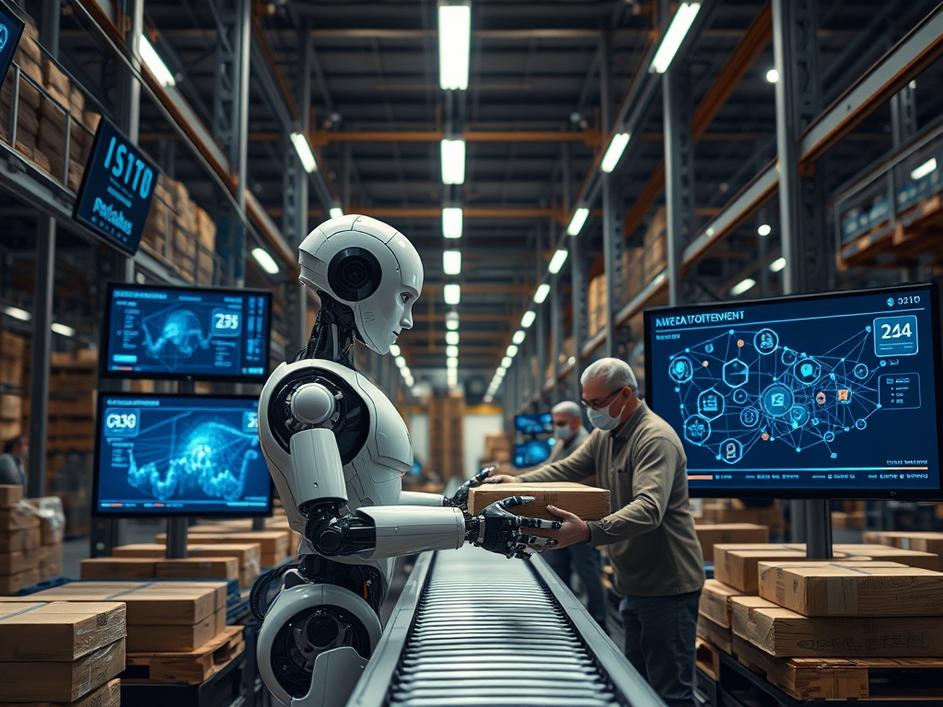
Of course, implementing an automated letter system isn’t without its challenges. Data security and privacy are paramount concerns. Any system that handles sensitive information must have robust security measures in place to protect against breaches and unauthorized access. Furthermore, ensuring the accuracy and consistency of the generated letters is crucial. Errors in automated correspondence can have serious consequences, so rigorous testing and quality control are essential. And, let’s not forget the human element. Will automation replace jobs, or simply shift the focus of administrative roles? These are important questions to consider as we embrace new technologies.
One potential drawback of automated letter systems is the risk of losing the personal touch. While automation can certainly improve efficiency, it’s important to strike a balance between speed and personalization. Generic, impersonal letters can alienate recipients and damage relationships. The best automated systems will allow for customization and personalization, ensuring that each letter feels unique and relevant to the individual recipient. This might involve incorporating personalized greetings, tailoring the content to specific demographics, or including handwritten signatures or notes.
In an age of increasing data breaches and privacy concerns, the security of automated letter systems is paramount. Any system that handles personal data must comply with relevant regulations, such as GDPR or CCPA. This includes implementing strong encryption, access controls, and data retention policies. Furthermore, organizations must be transparent about how they collect, use, and protect personal information. Failure to do so can result in hefty fines and reputational damage. The system must also have audit trails to track who accessed and modified letters, ensuring accountability and transparency.
Perhaps the most likely future of correspondence involves a hybrid approach, combining the efficiency of automation with the personal touch of human interaction. Imagine a system that automatically generates the initial draft of a letter, which is then reviewed and customized by a human employee. This would allow organizations to leverage the benefits of automation while maintaining a personal connection with their customers and stakeholders. It’s about finding the right balance between technology and humanity, ensuring that correspondence is both efficient and effective.
The concept of an automated letter system with QR code integration is undoubtedly intriguing. It holds the potential to transform the way we create and manage correspondence, saving time, reducing errors, and enhancing tracking capabilities. However, it’s crucial to approach this technology responsibly, addressing concerns about data security, personalization, and the human impact. By carefully considering these factors, we can harness the power of automation to create a more efficient and effective communication ecosystem.
Comments are closed