

We are a digital agency helping businesses develop immersive, engaging, and user-focused web, app, and software solutions.
2310 Mira Vista Ave
Montrose, CA 91020

2500+ reviews based on client feedback
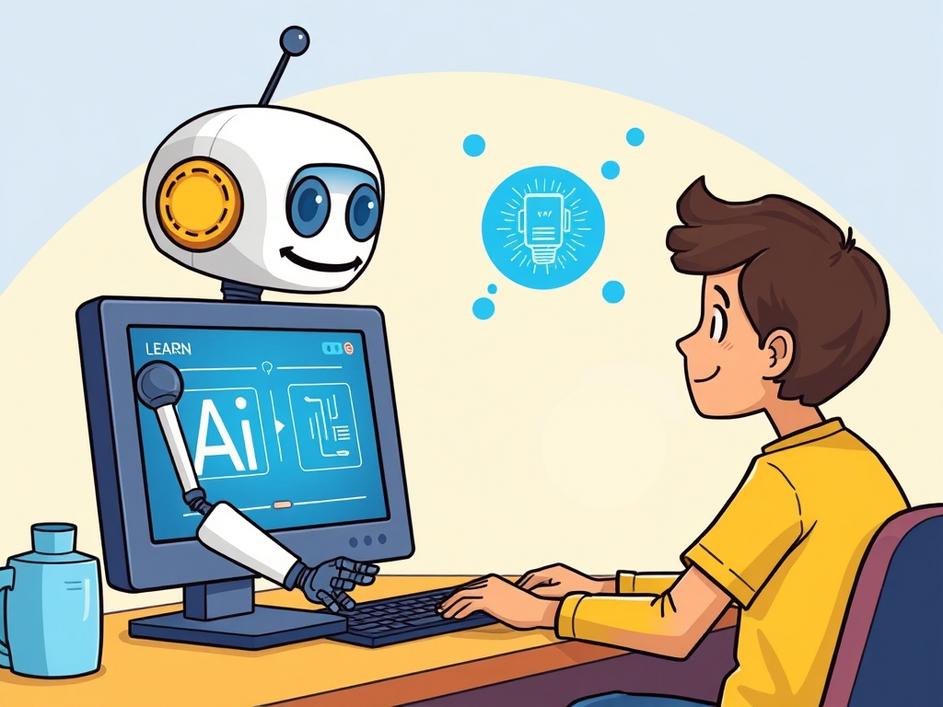
Artificial Intelligence. You hear about it everywhere. From self-driving cars to smart assistants, AI is rapidly changing our world. But what exactly *is* it? It’s easy to get lost in the hype and technical jargon. So, let’s break down the basics and explore what AI truly means.
AI, at its core, is about enabling machines to perform tasks that typically require human intelligence. This includes things like learning, problem-solving, decision-making, and even understanding language. It’s not just about building robots that look and act like humans; it’s about creating systems that can think and reason, even in a limited way. Think of your spam filter – that’s a simple form of AI at work, learning to identify and filter out unwanted emails.
AI isn’t one single thing; it comes in different forms with varying capabilities. Narrow or Weak AI is designed to perform a specific task. Examples include voice assistants like Siri or Alexa, recommendation systems on Netflix, and even the AI that plays chess. These systems are incredibly good at what they do, but they can’t do anything else. General or Strong AI, on the other hand, is a hypothetical type of AI that possesses human-level intelligence. It could understand, learn, and apply its knowledge across a wide range of tasks, just like a person. We haven’t achieved General AI yet, and it remains a significant research goal.
A key aspect of AI is machine learning. This involves training algorithms on vast amounts of data so they can learn patterns and make predictions. There are several types of machine learning, including supervised learning (where the algorithm is trained on labeled data), unsupervised learning (where the algorithm discovers patterns in unlabeled data), and reinforcement learning (where the algorithm learns through trial and error). Imagine teaching a dog a new trick – you reward it for performing the desired behavior. Reinforcement learning works in a similar way, rewarding the AI for making correct decisions.
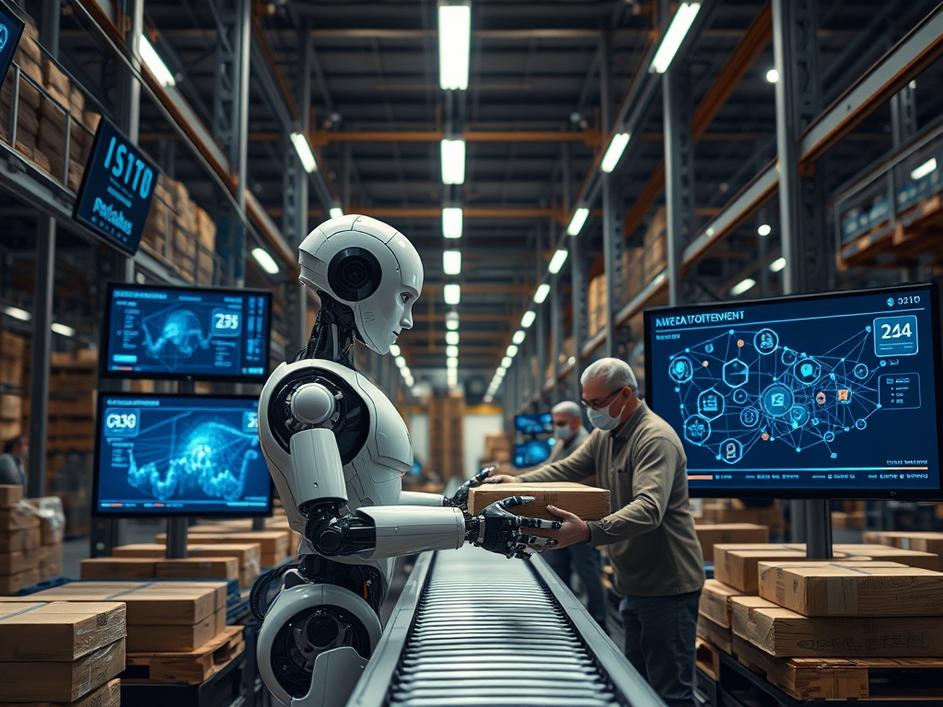
AI is already having a profound impact on various industries and aspects of our lives. In healthcare, AI is being used to diagnose diseases, develop new treatments, and personalize patient care. In finance, AI is helping to detect fraud, manage risk, and automate trading. In manufacturing, AI is optimizing production processes and improving quality control. And, of course, AI is transforming the way we communicate, shop, and entertain ourselves. But this technological leap also brings forth some important ethical considerations. For example, Algorithmic bias is a real concern and can lead to unfair or discriminatory outcomes. If an AI system is trained on biased data, it will likely perpetuate those biases. Also, the use of AI in autonomous weapons systems raises serious ethical questions about accountability and control. It’s crucial to have open discussions and develop responsible AI practices to ensure that AI benefits everyone.
The future of AI is full of both possibilities and challenges. As AI technology continues to advance, we can expect to see even more transformative applications in various fields. AI-powered robots could assist with elder care, autonomous vehicles could revolutionize transportation, and personalized education systems could cater to individual learning needs. But, like any powerful technology, AI also carries potential risks. Job displacement is a concern, as AI-powered automation could replace human workers in certain industries. Ensuring fair access to the benefits of AI and mitigating potential harms will be essential.
Interested in learning more about AI? There are countless resources available online, including courses, tutorials, and research papers. Many universities and online learning platforms offer AI-related courses for beginners. You can also explore open-source AI tools and libraries like TensorFlow and PyTorch. If you’re interested in pursuing a career in AI, consider developing skills in areas like programming, mathematics, and data science. The field of AI is constantly evolving, so continuous learning is key.
AI is a powerful tool that can be used for good or for ill. It’s up to us to shape its development and deployment in a responsible and ethical manner. By understanding the basics of AI, we can all participate in the conversation about its future and ensure that it benefits society as a whole. Don’t be intimidated by the complexity of AI. Start small, explore the resources available, and embrace the opportunity to learn about this transformative technology.


Comments are closed