Introduction: A Global Concern
Climate change is not just a distant problem; it’s something that affects us all right now. One of the most significant impacts of this crisis can be found in our oceans. Rising temperatures, melting ice, and acidifying waters are pushing marine ecosystems to their limits. The challenges we face are vast and complex, yet many people still don’t realize the severity of the situation.
Rising Temperatures: A Liquid Thermostat
As global temperatures climb, our oceans are warming up. This is more than just a number on a chart; it has real consequences. Warmer water affects marine life, including fish, coral reefs, and other essential ecosystems. Fish, for example, may migrate to cooler areas, disrupting local economies that depend on fishing. Coral reefs, often called the rainforests of the sea, are bleached and dying, losing their vibrant colors as heat levels rise. This loss has a ripple effect on biodiversity, putting countless species at risk.
Melting Ice: The Pole’s Cry for Help
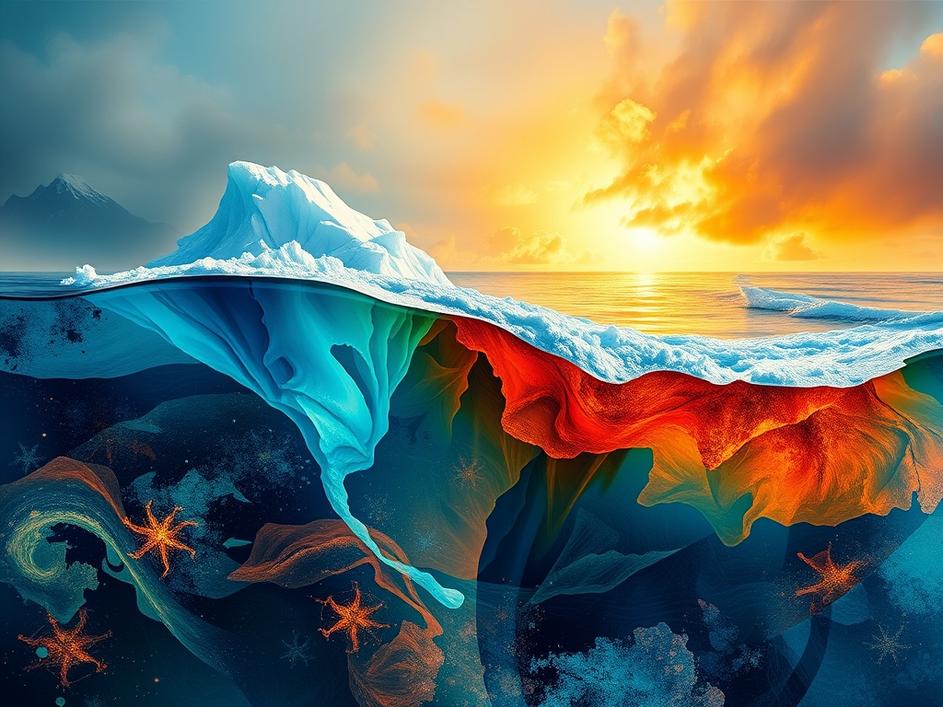
The polar regions are some of the most affected by climate change. As glaciers and ice sheets melt, they contribute to rising sea levels. Communities living on coastlines face the threat of flooding and erosion. But there’s also a hidden danger: as ice melts, it releases freshwater into the ocean, which can disrupt ocean currents that regulate our climate. This could lead to unpredictable weather patterns and even more extreme climate events. People often consider ice melting as a far-off issue, but it’s happening faster than many anticipate.
Acidifying Waters: The Silent Menace
Another insidious effect of climate change is ocean acidification. When CO2 enters the ocean, it reacts with water to form carbonic acid. This process changes the chemistry of the water and makes it more acidic. Marine species such as shellfish and corals depend on calcium carbonate to build their shells and skeletons. Increased acidity makes it harder for these organisms to survive. This is a problem that extends beyond the aquatic world; it could impact food security and the fishing industry, creating a cycle of challenges for communities dependent on healthy oceans.
Creating Awareness: The First Step Toward Change
Awareness is crucial in tackling climate change and its impact on our oceans. As individuals, we can start by understanding how our daily choices affect the environment. Small changes, like reducing plastic usage, conserving water, and supporting sustainable businesses, can collectively have a significant impact. Policymakers and communities must come together to advocate for stronger environmental regulations and more robust conservation efforts. Initiatives that promote ocean health will benefit everyone, as healthy oceans are essential for a livable planet.
Conclusion: The Time for Action is Now
Addressing climate change and its effects on our oceans is urgent. The challenges are significant, but they’re not insurmountable. By raising awareness and taking action, we can work towards a sustainable future. It’s not only about protecting marine life but about safeguarding our own lives and livelihoods. Every action counts, and together, we can ensure that future generations inherit a thriving ocean, rich in biodiversity and resilience.






Comments are closed